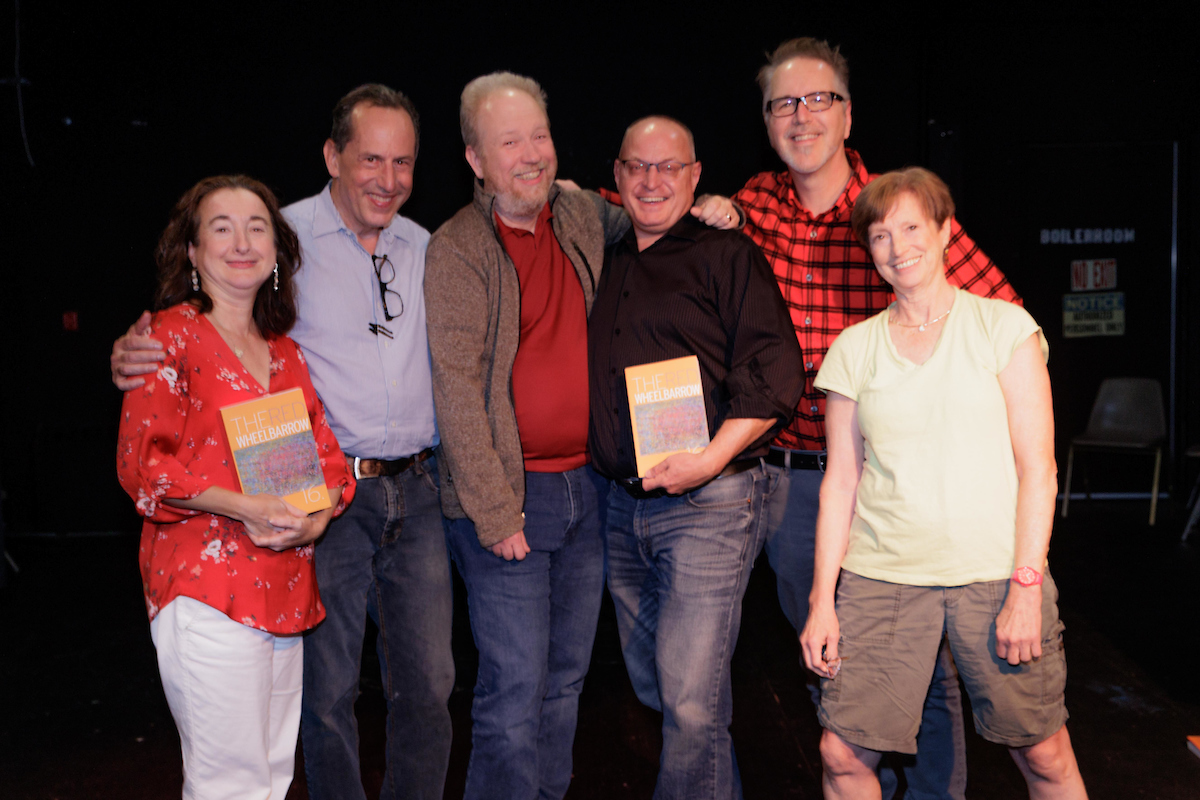
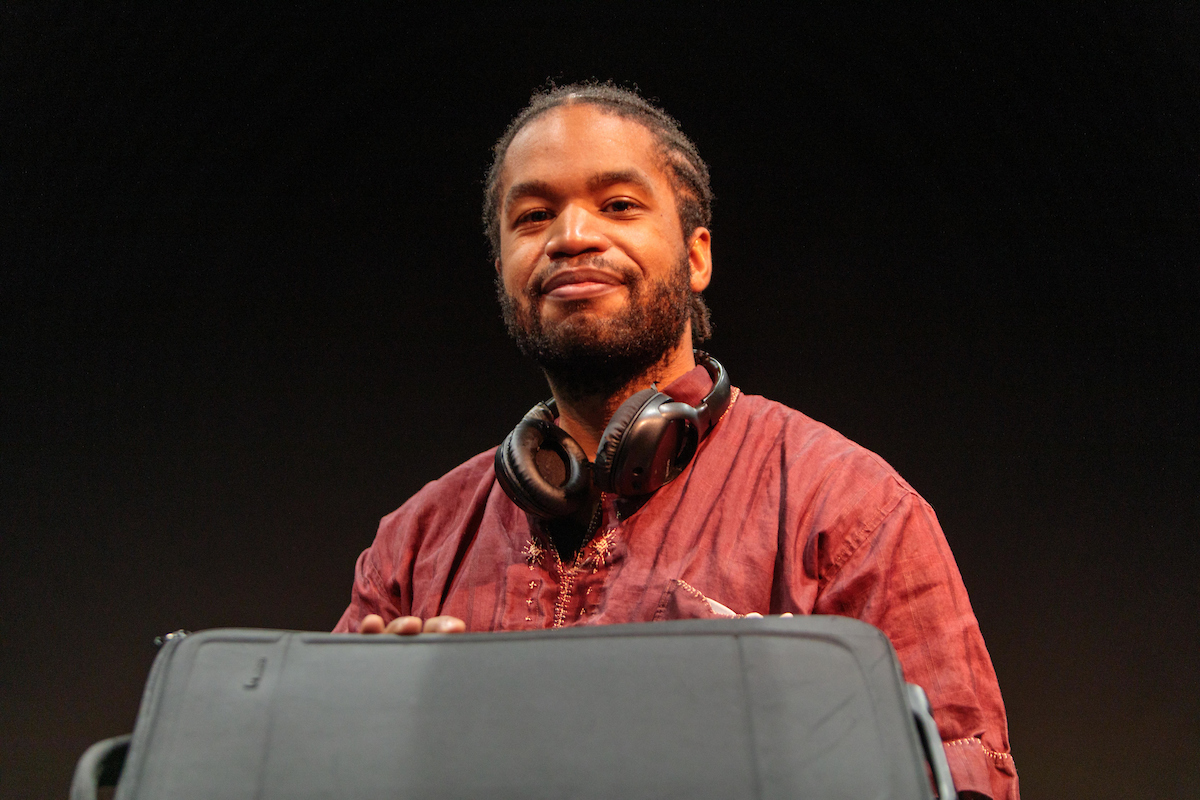
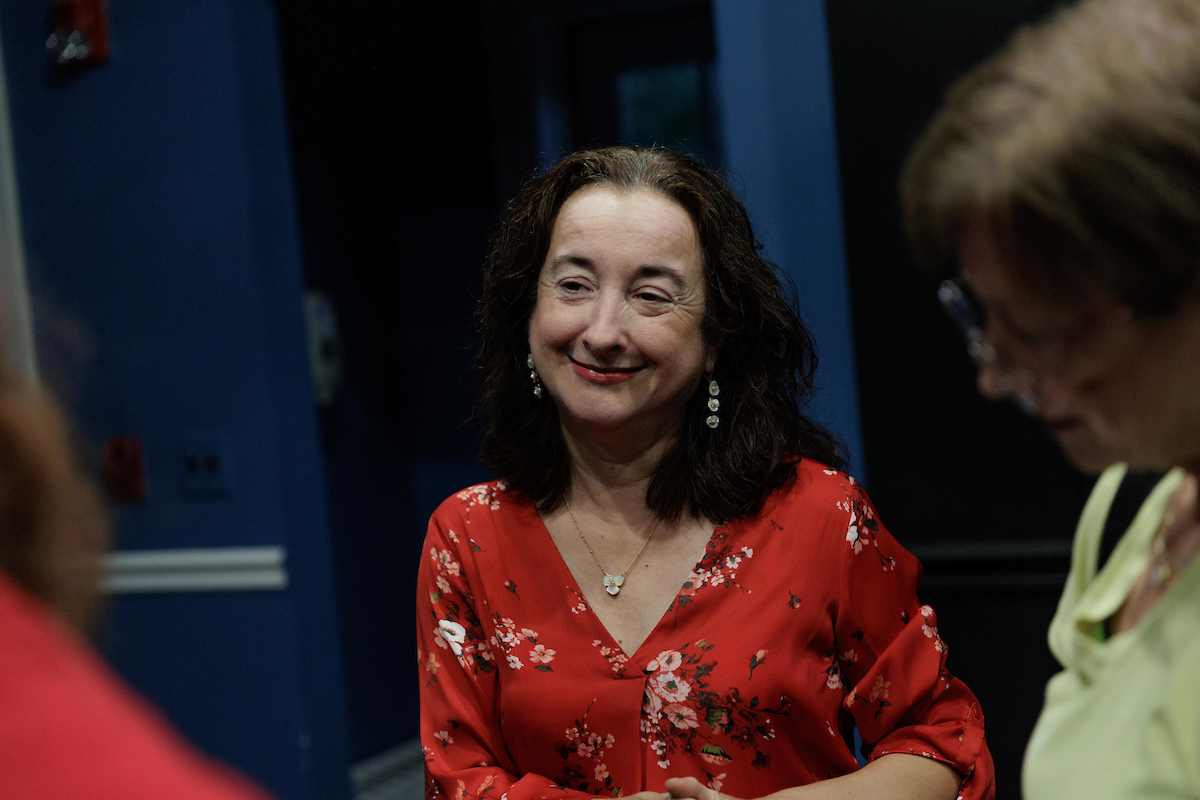
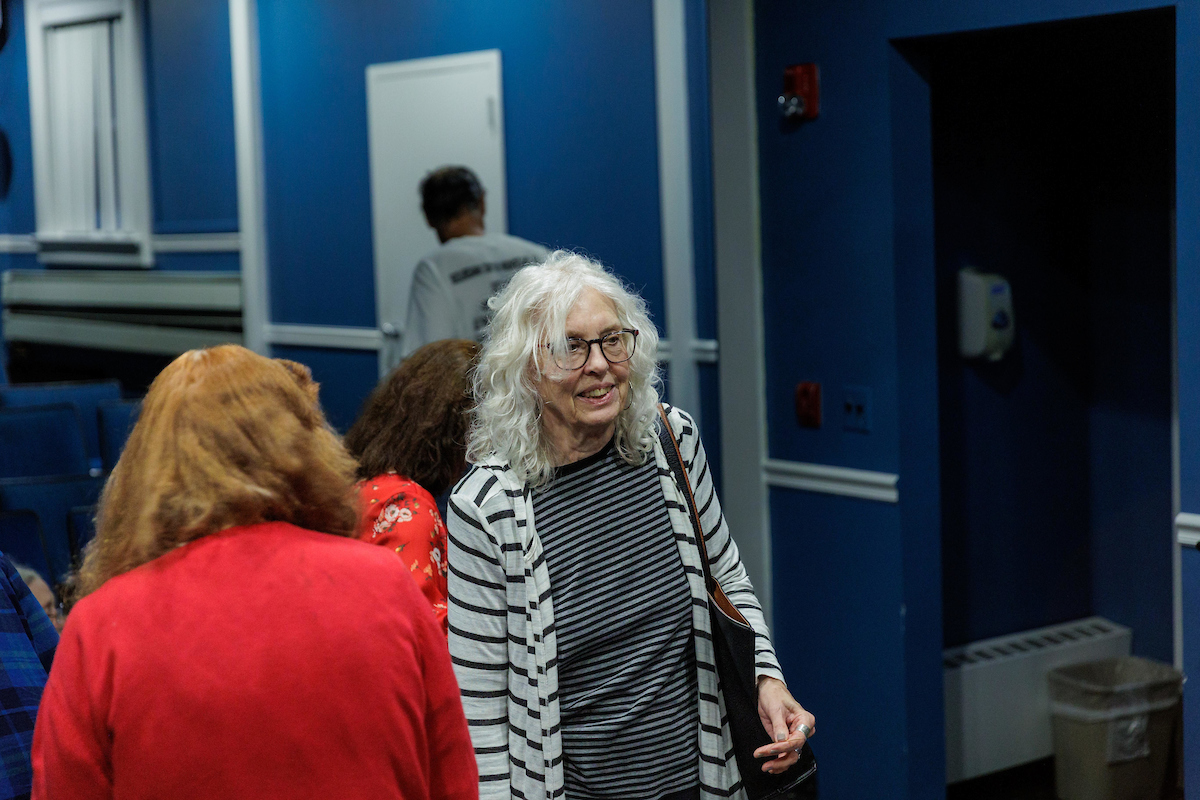
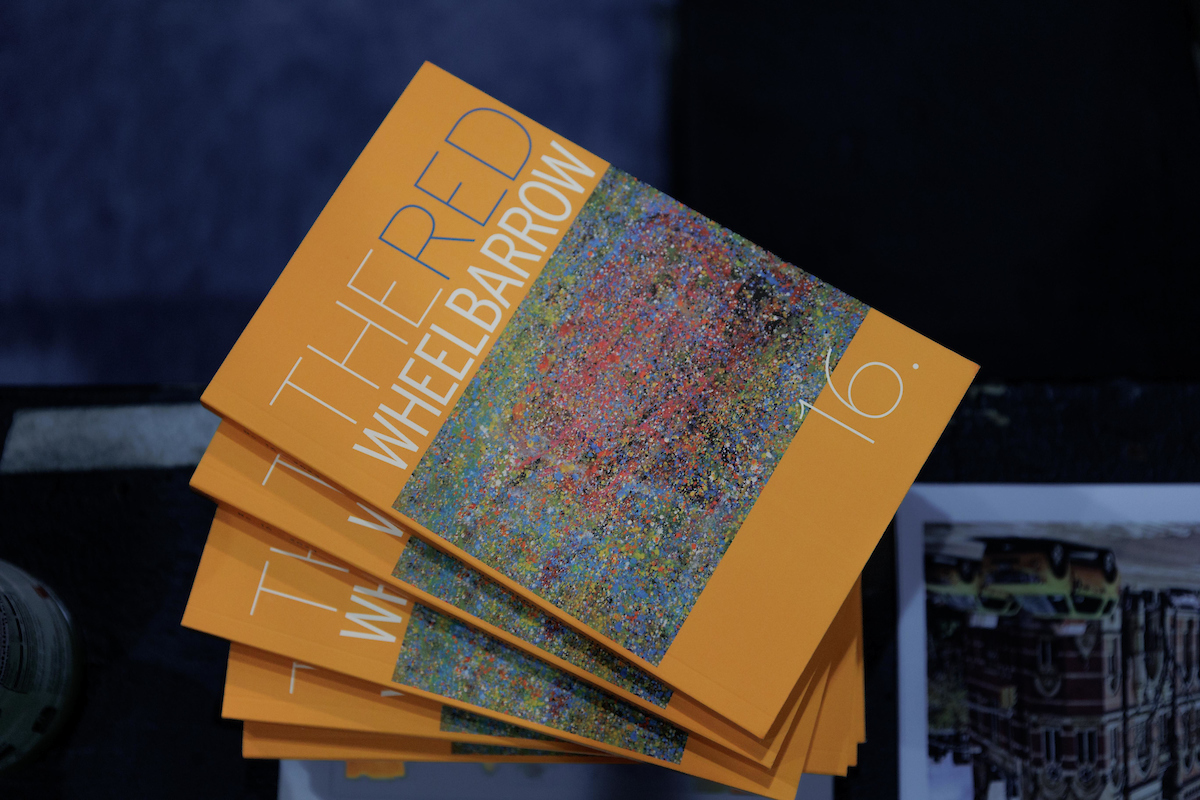
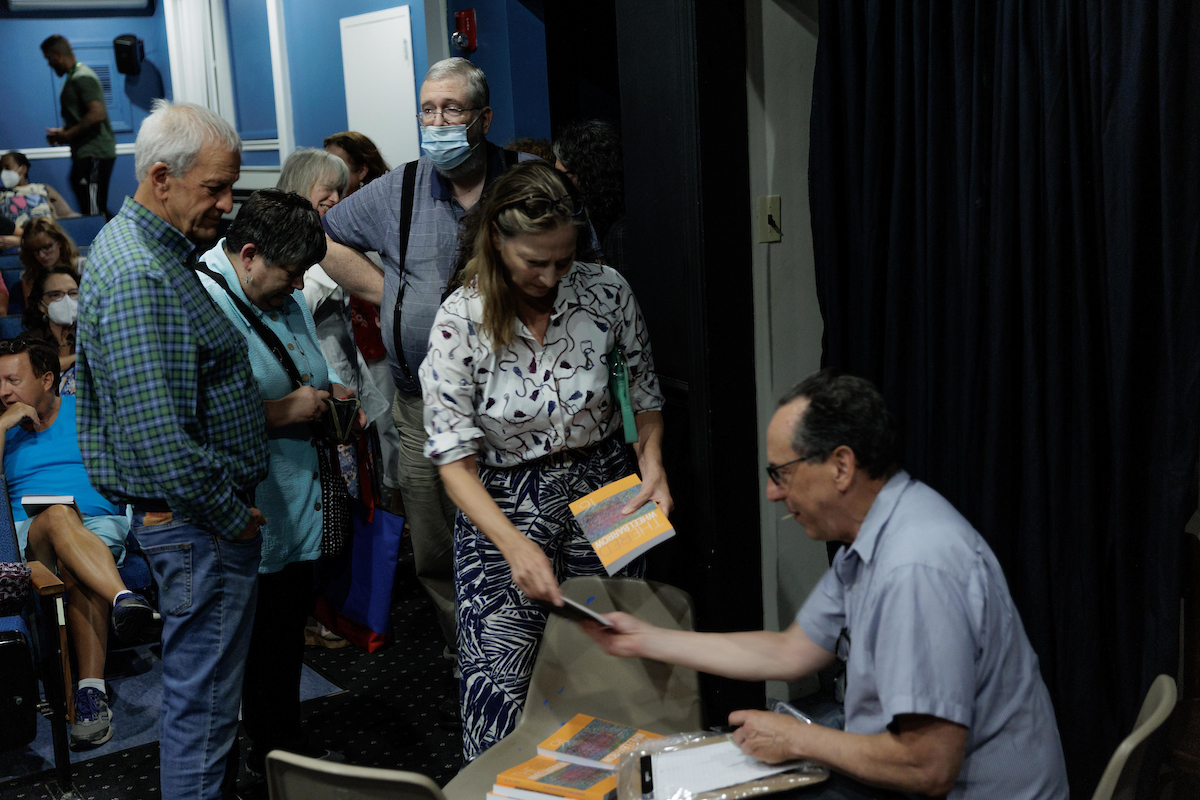
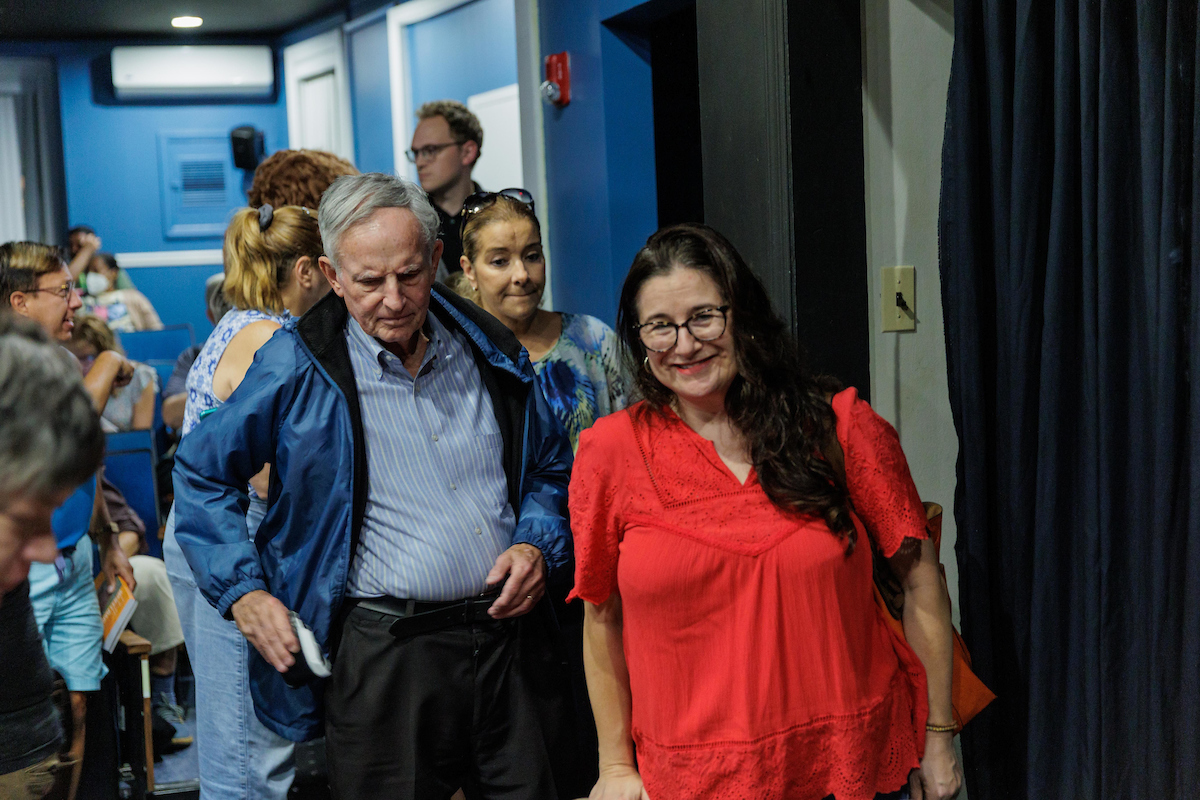
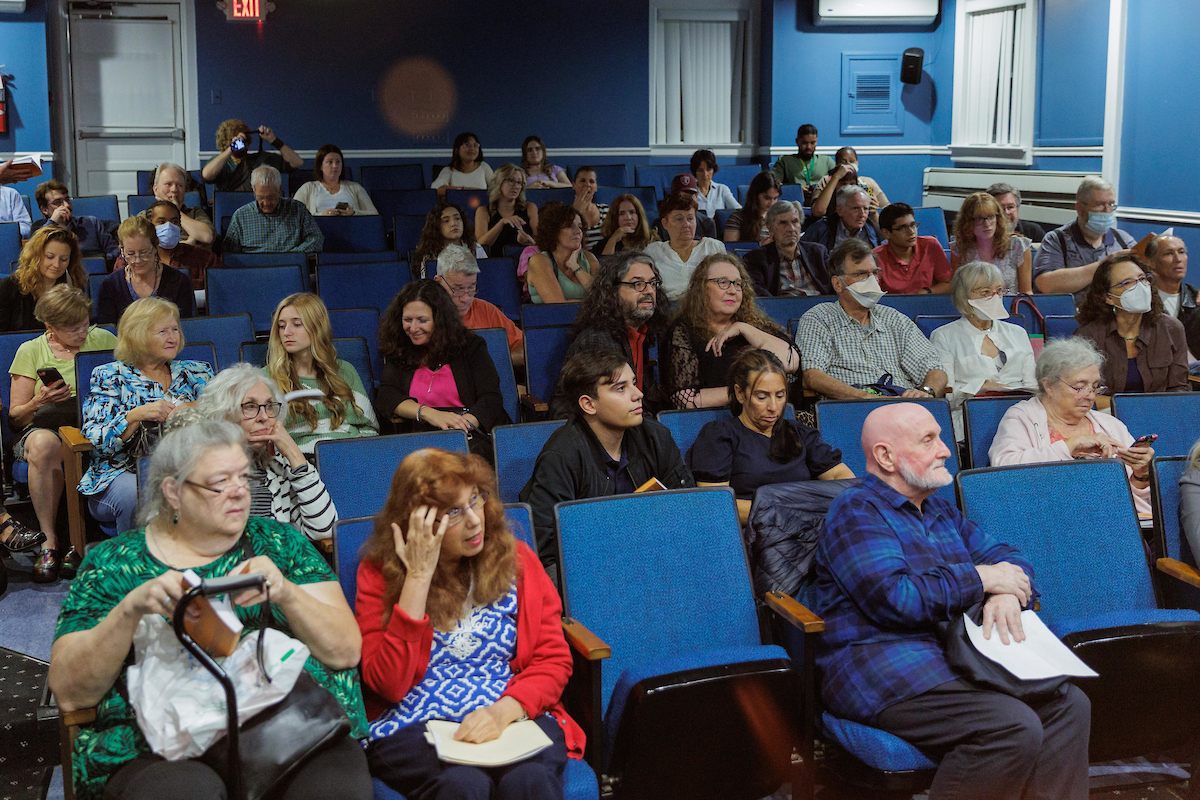
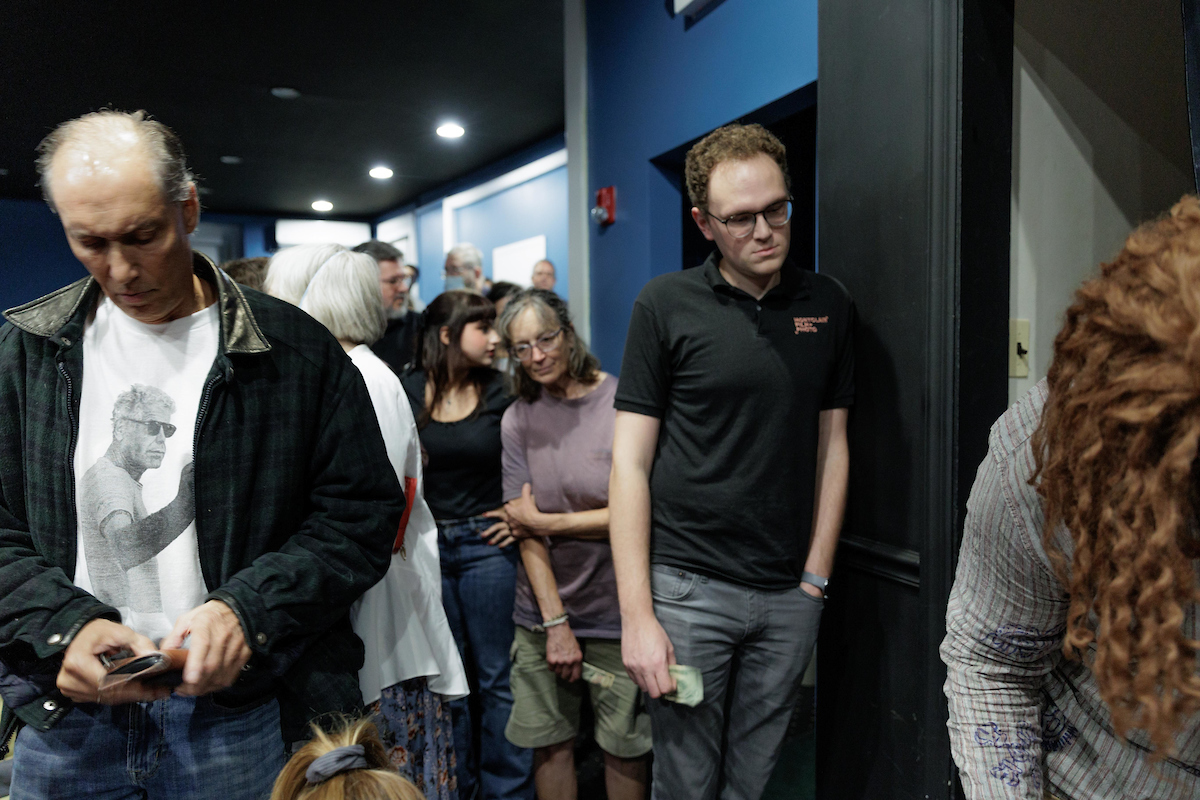
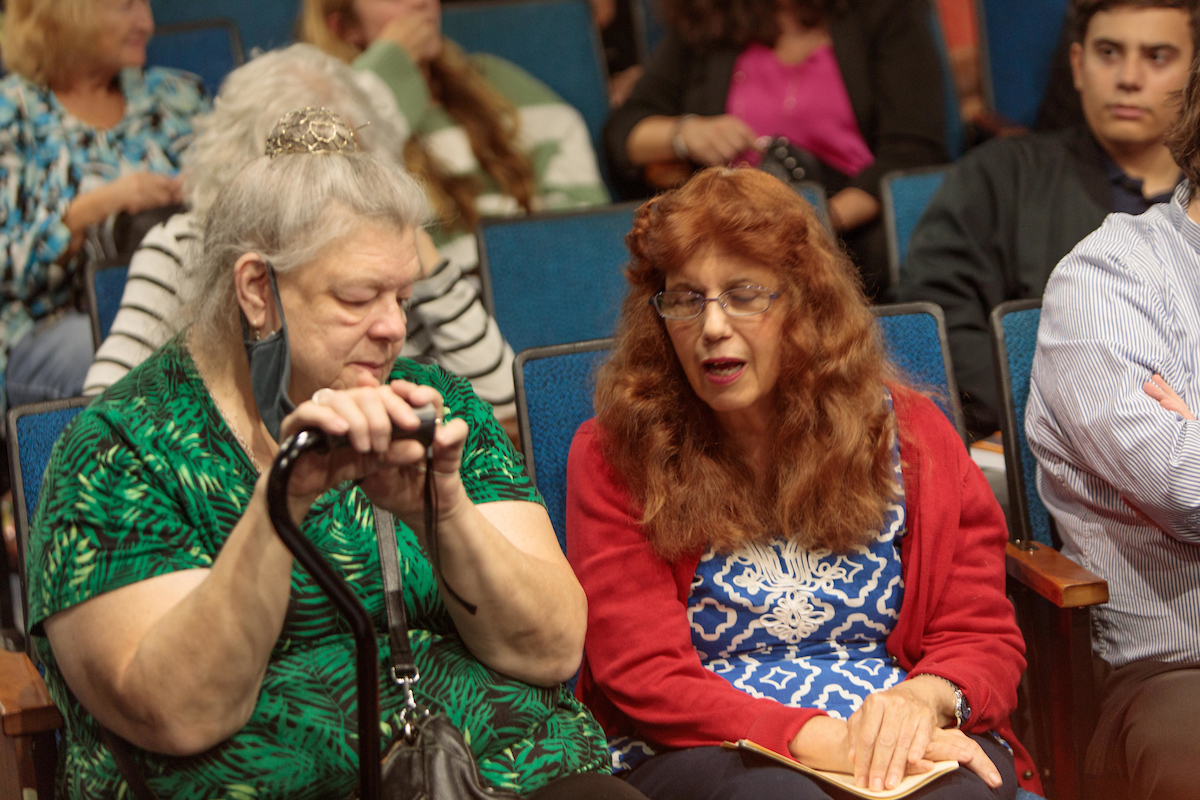
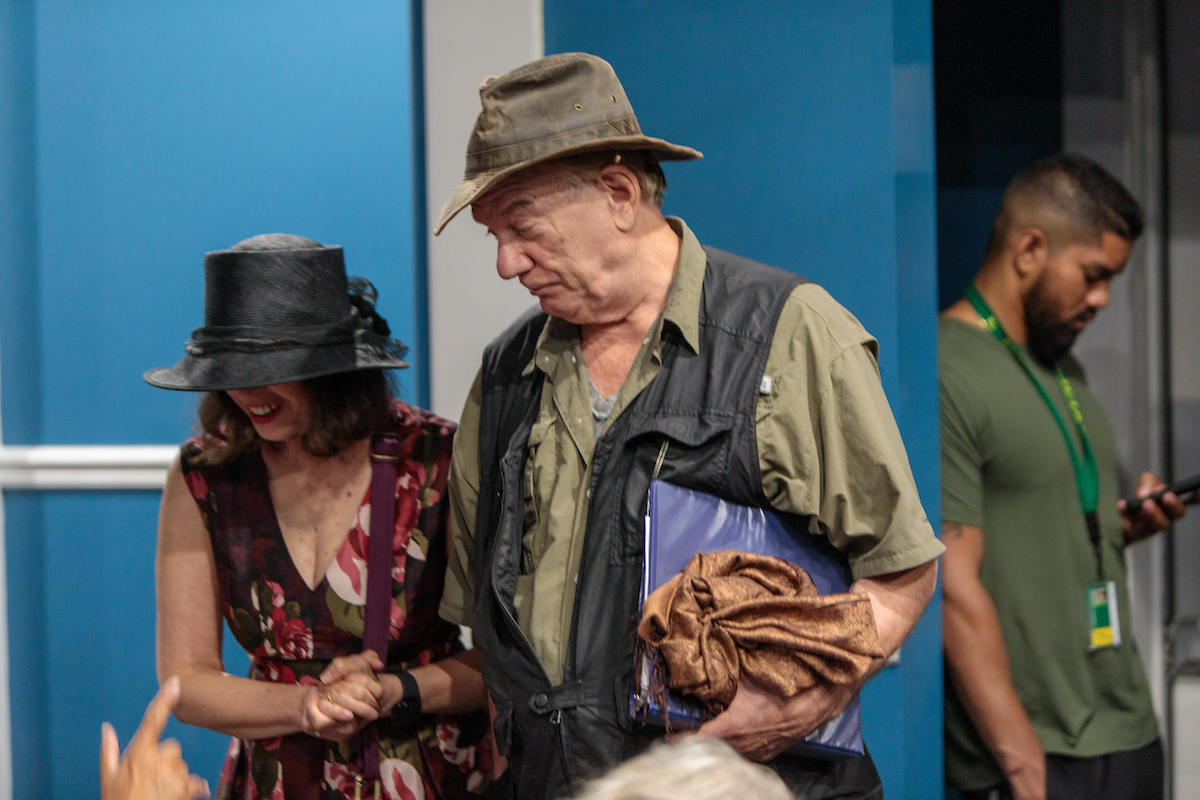
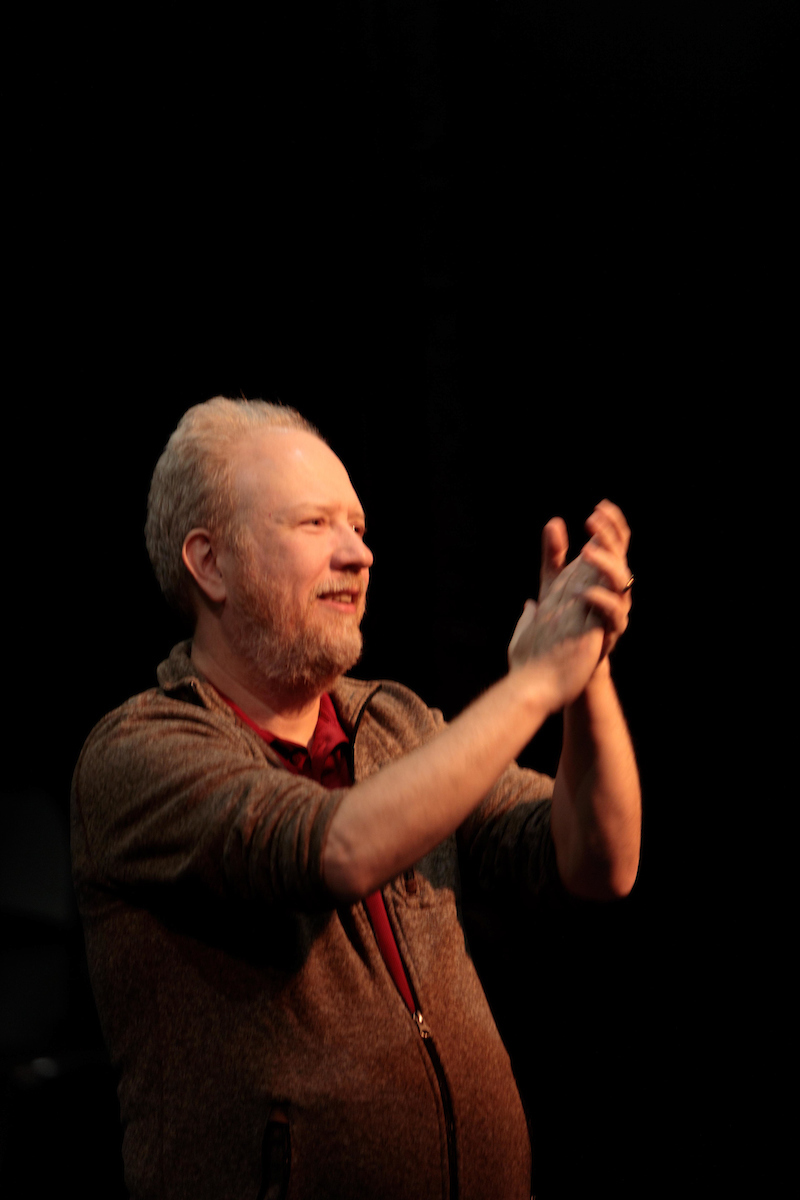
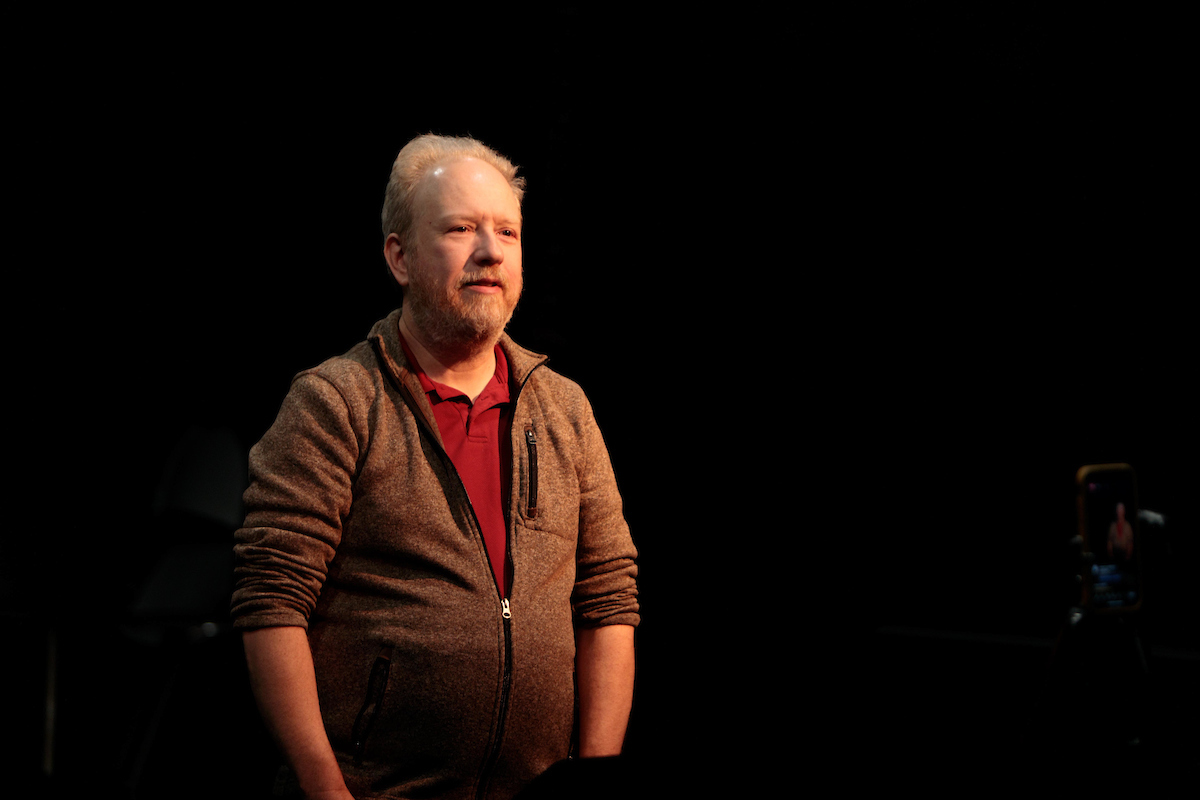
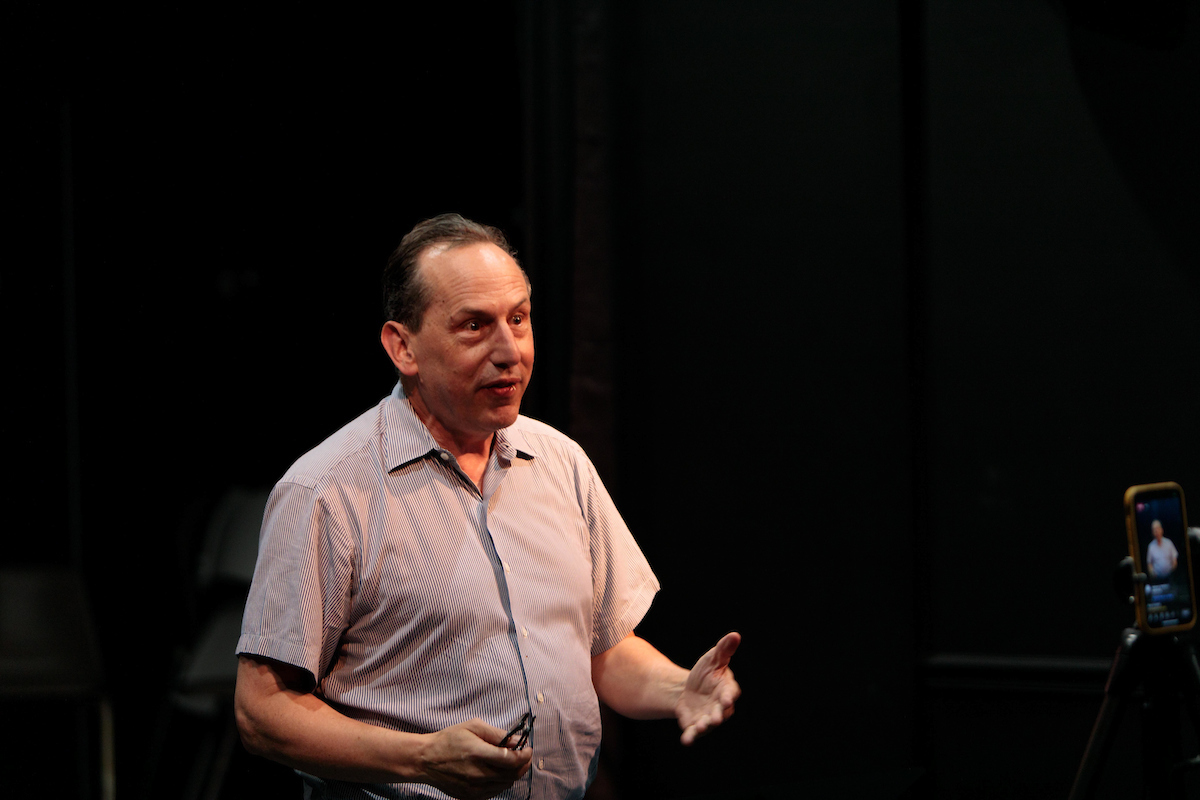
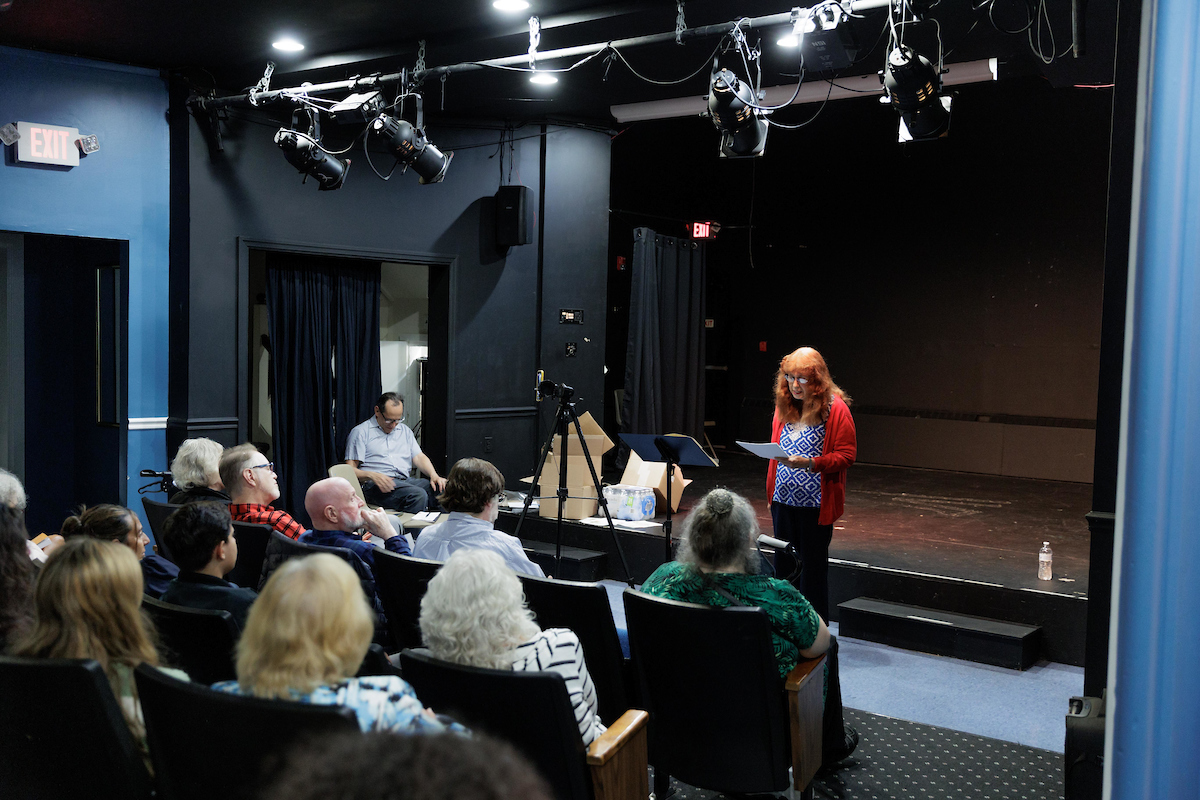
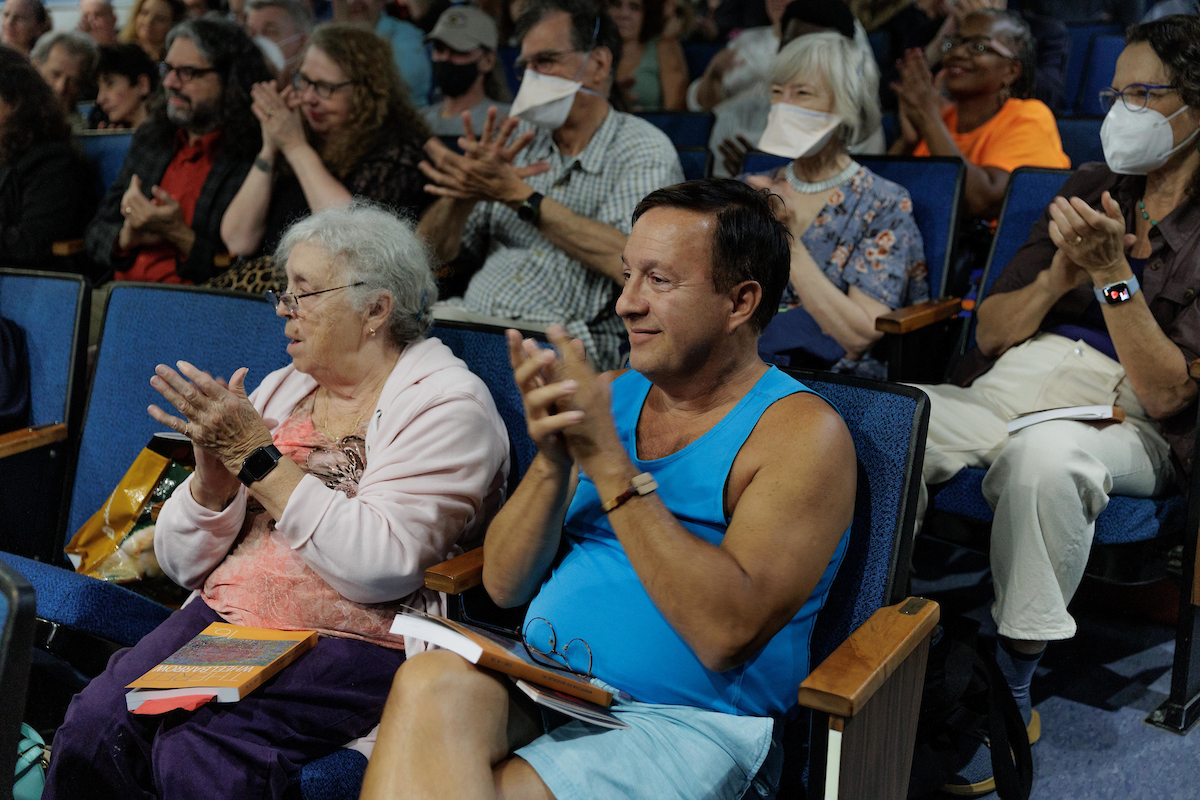
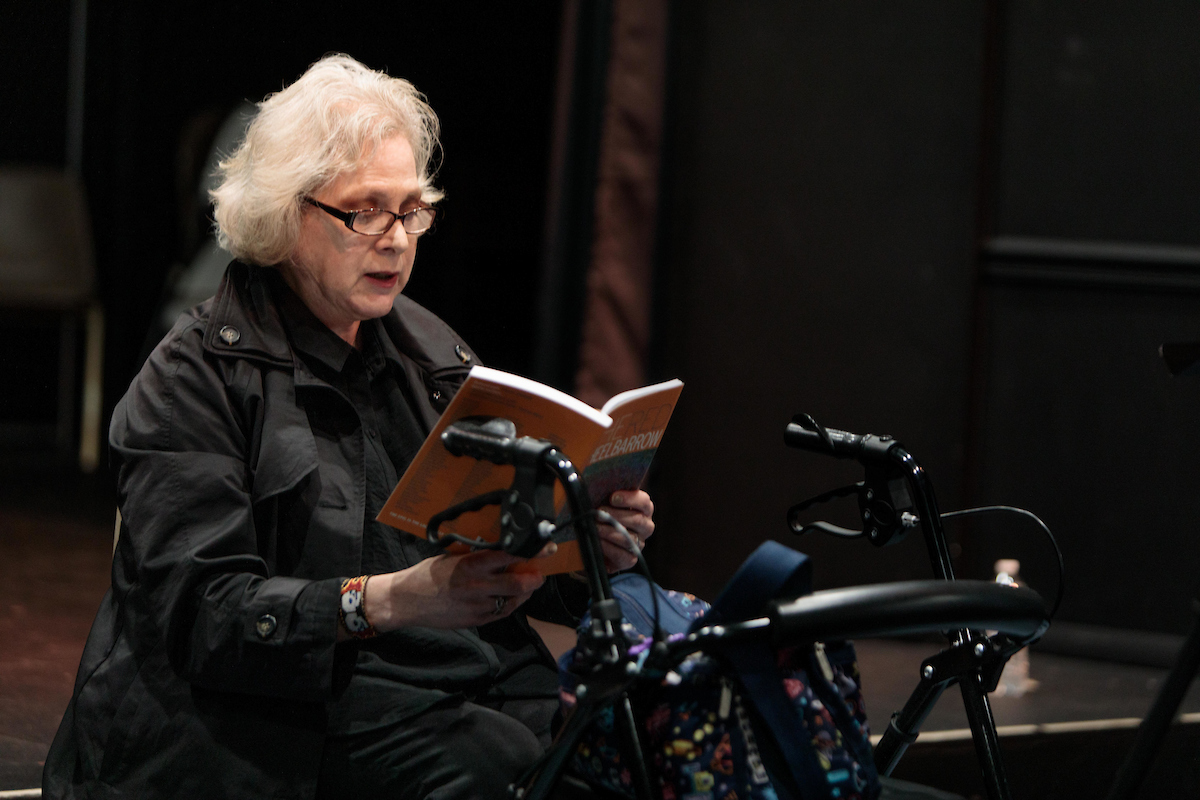
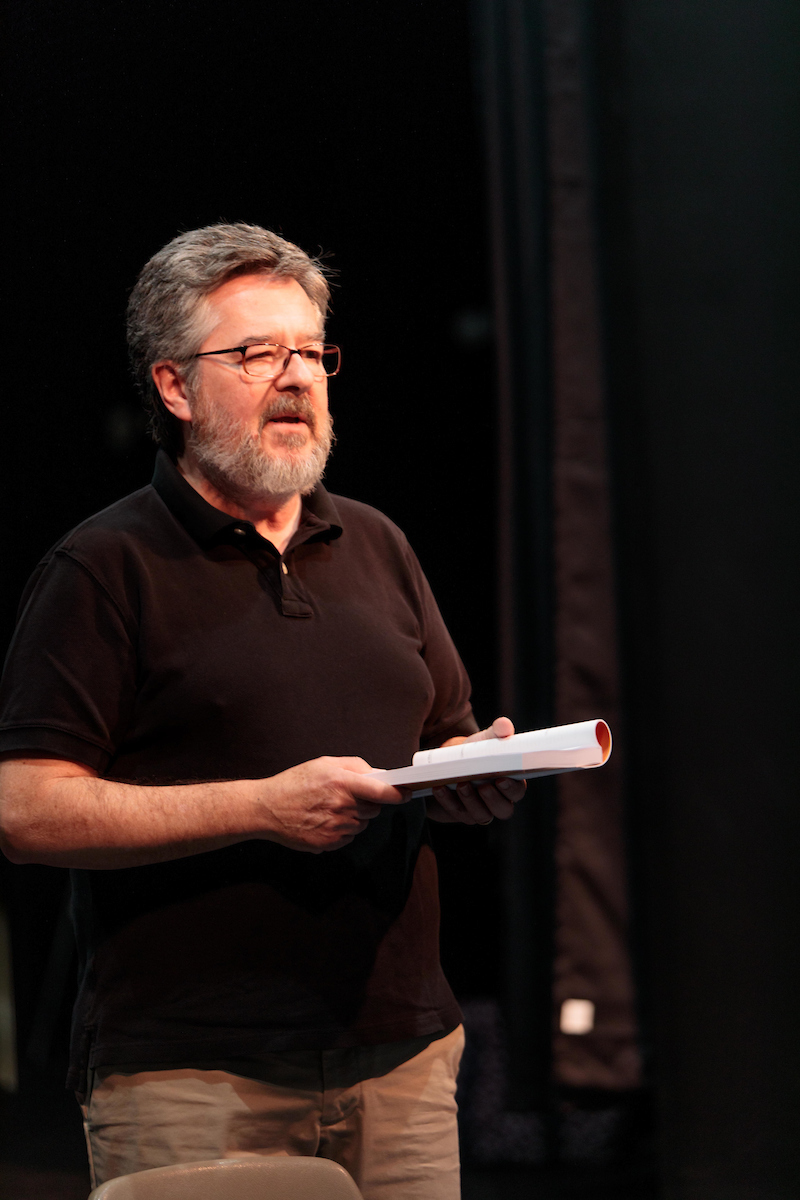
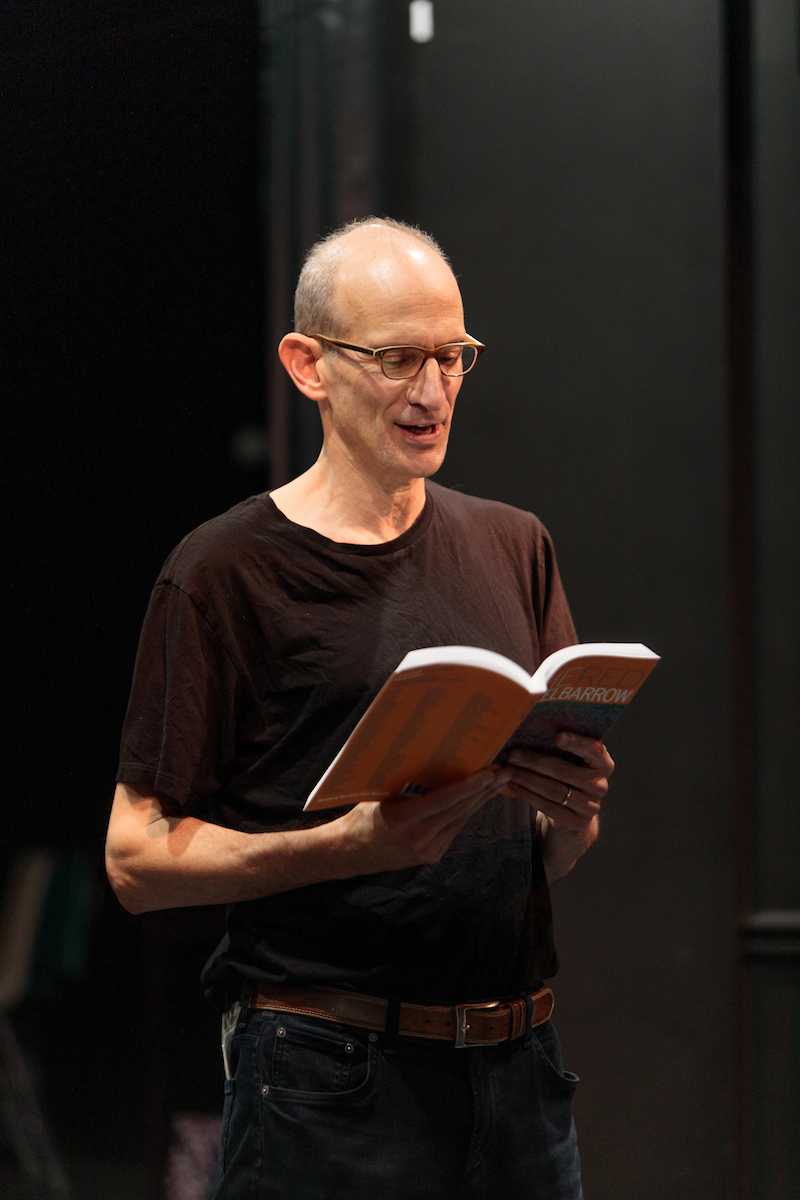
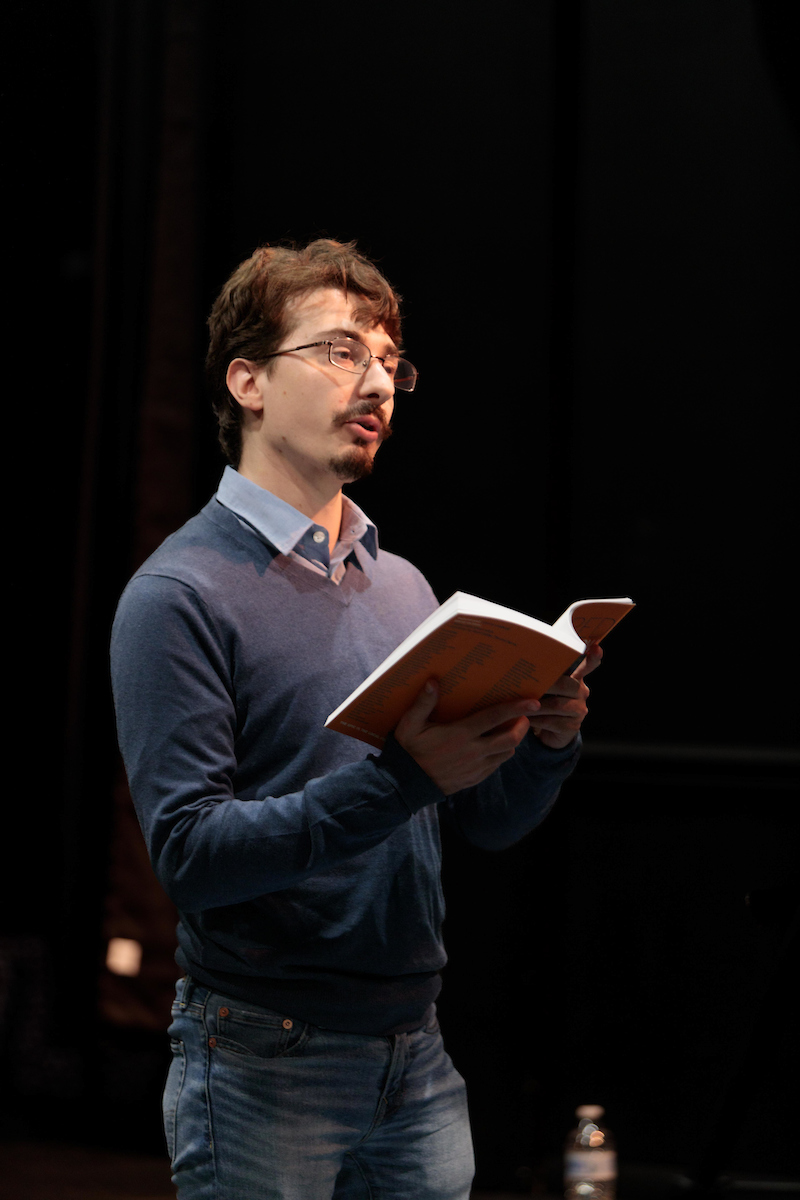
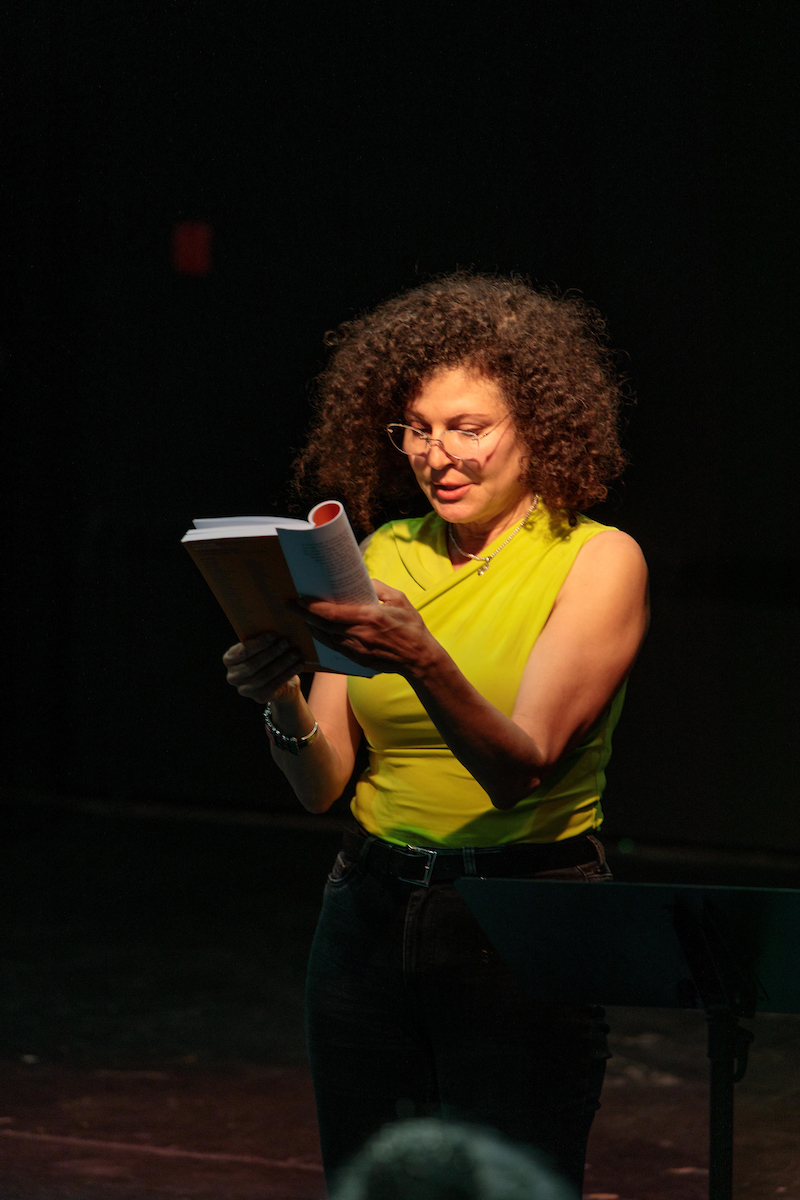
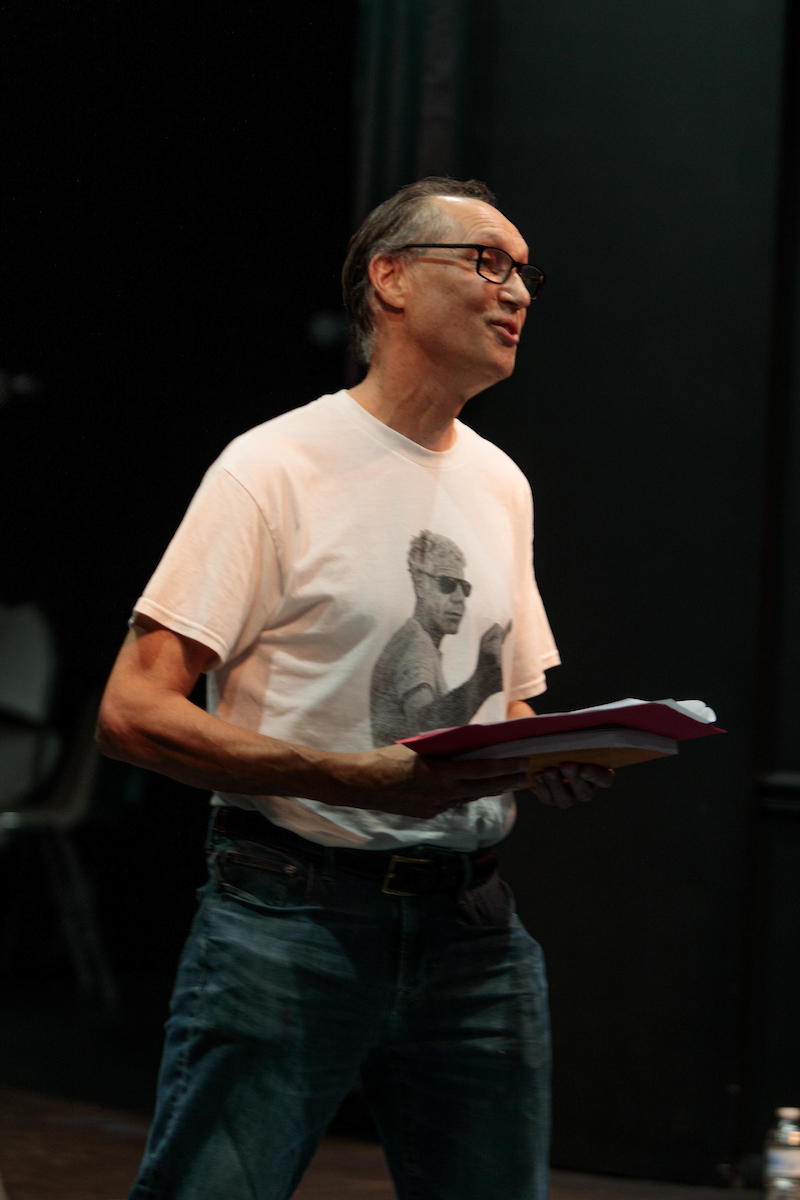
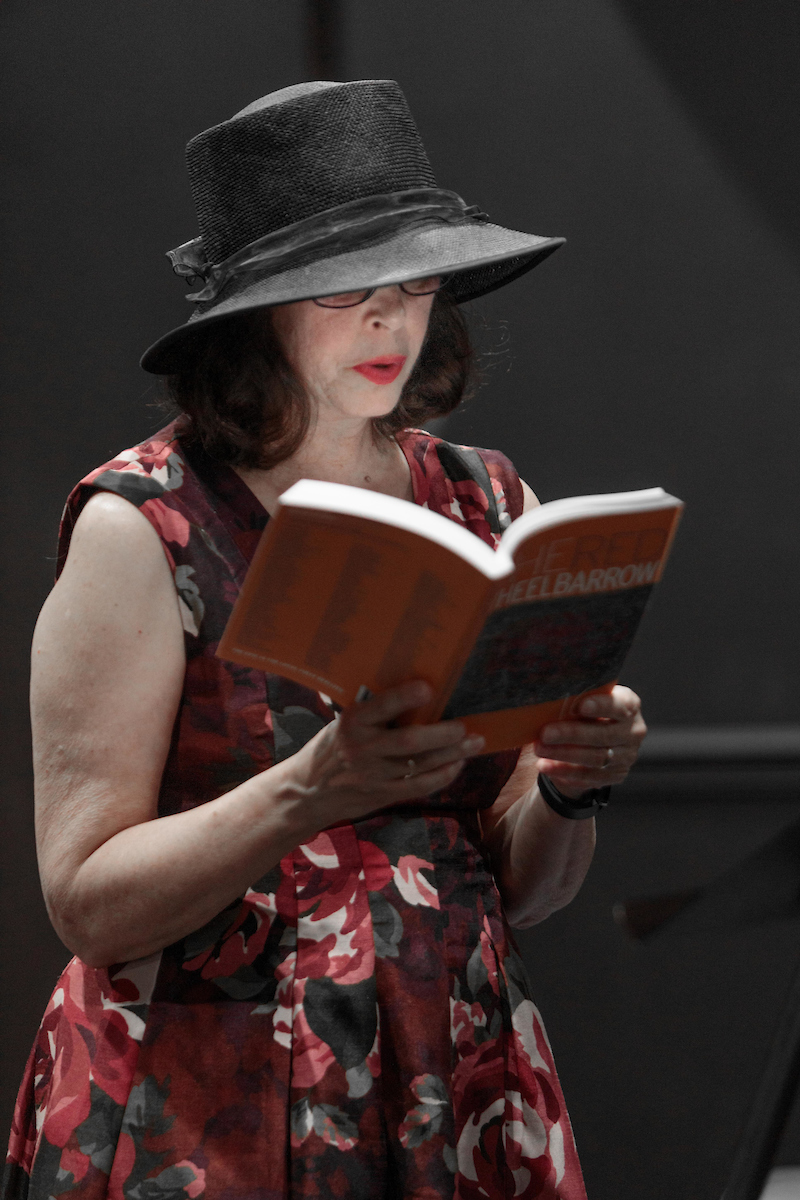
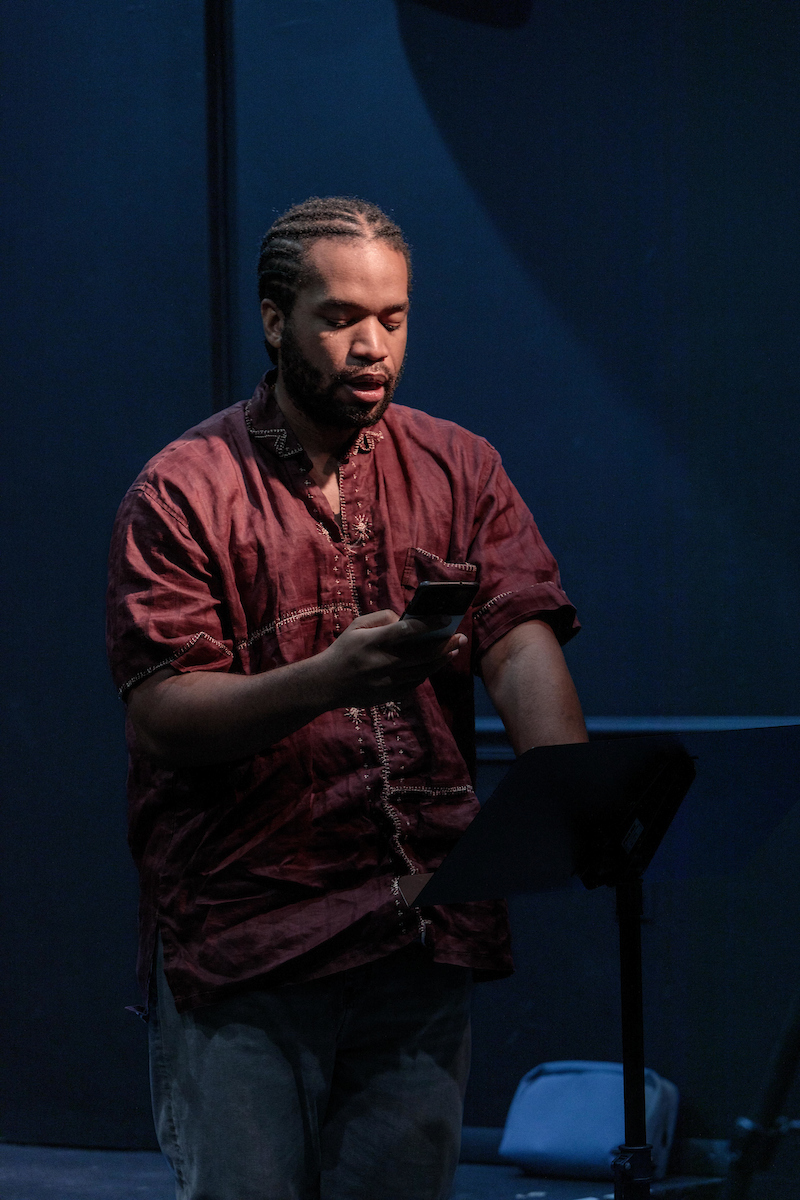
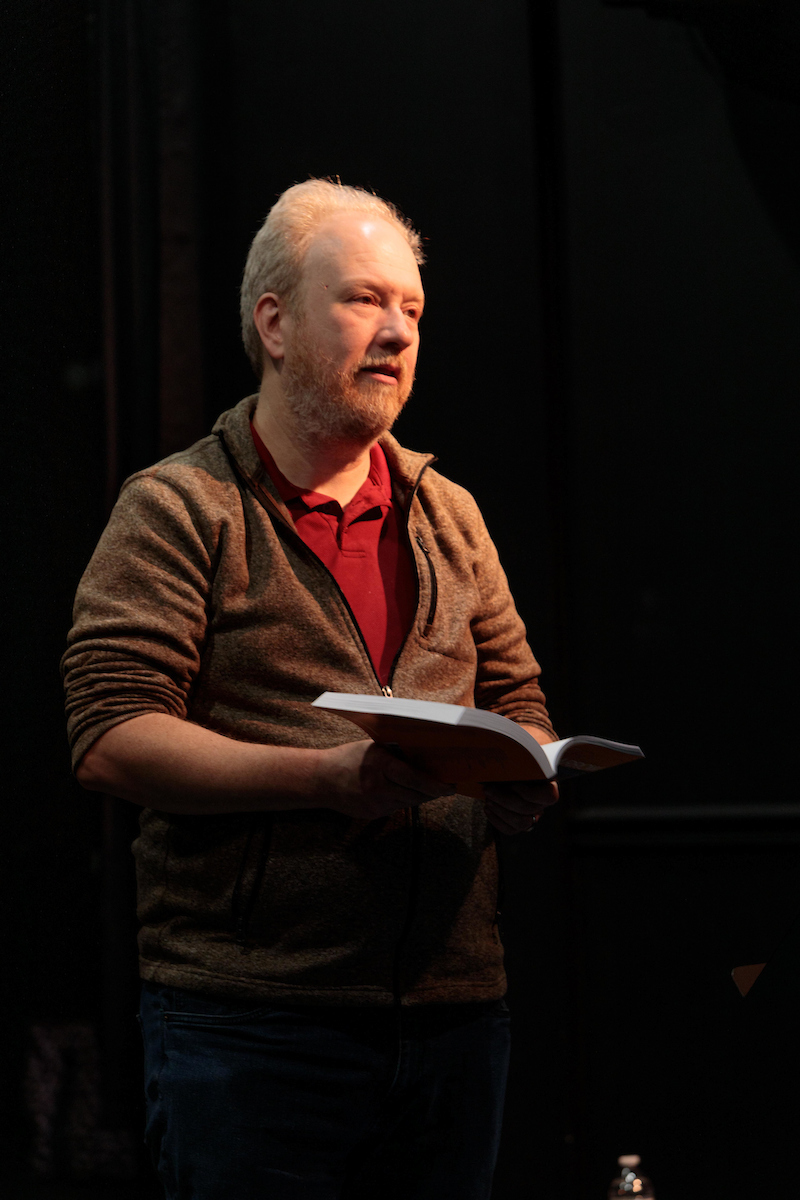
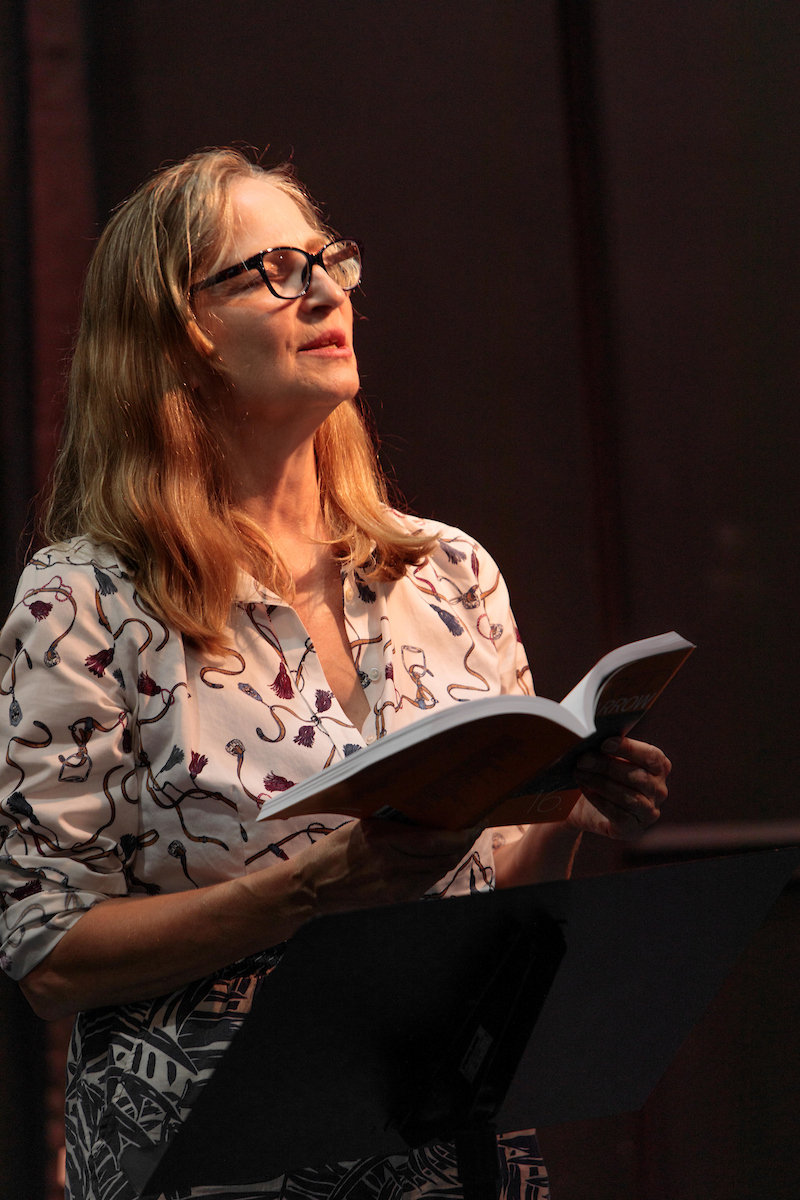
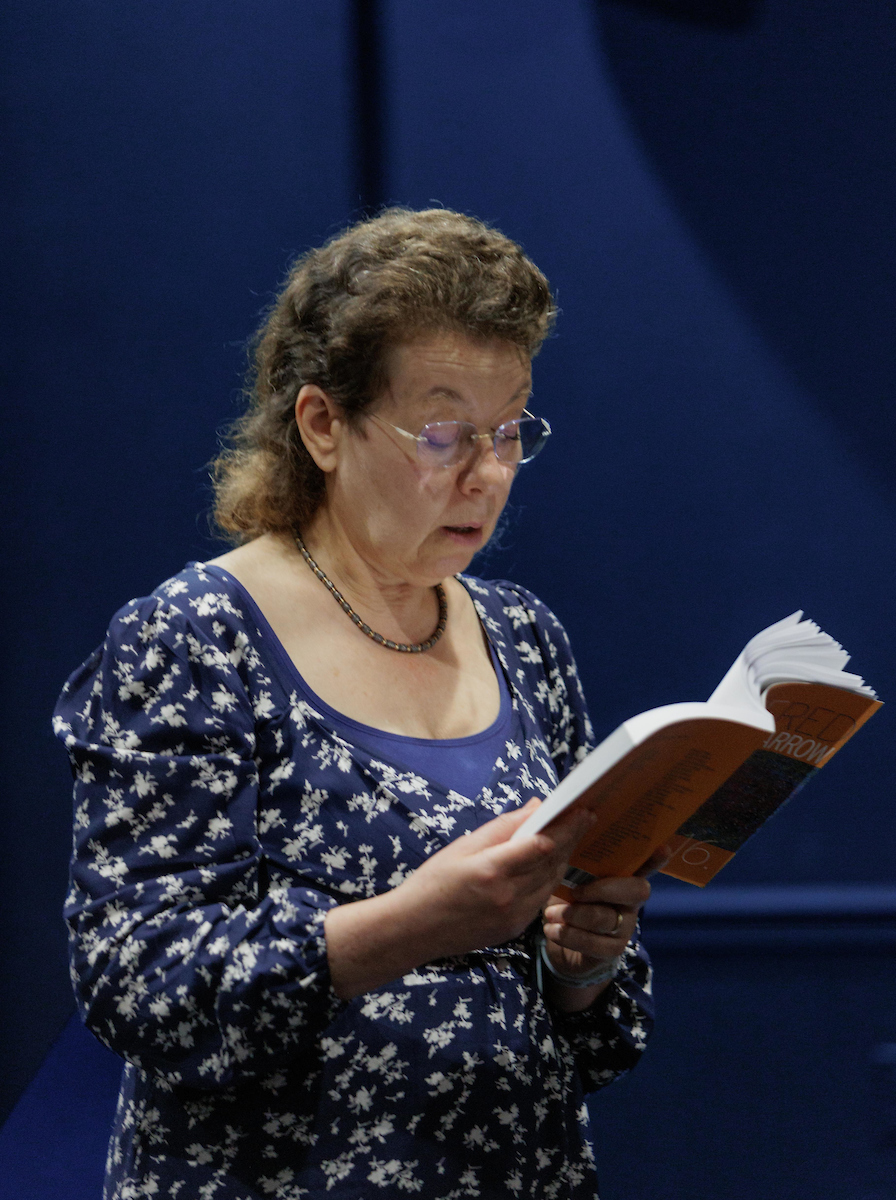
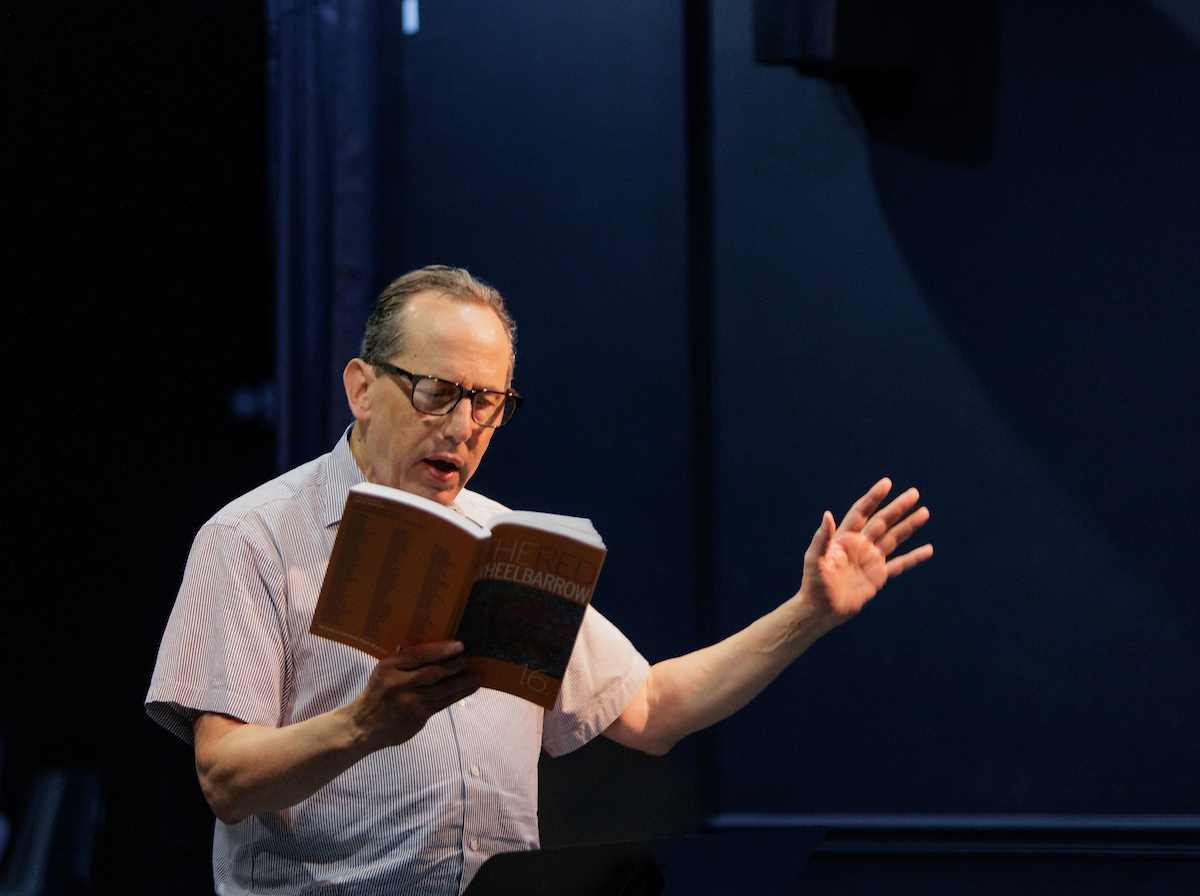
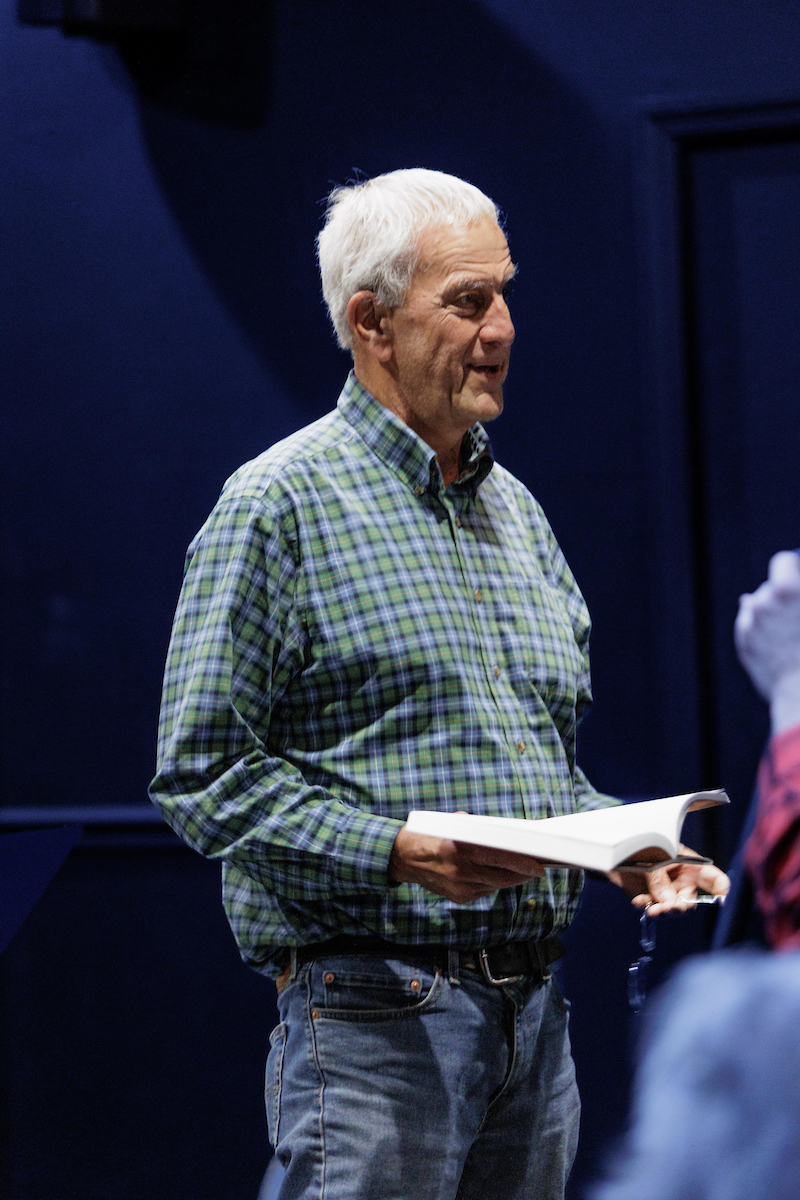
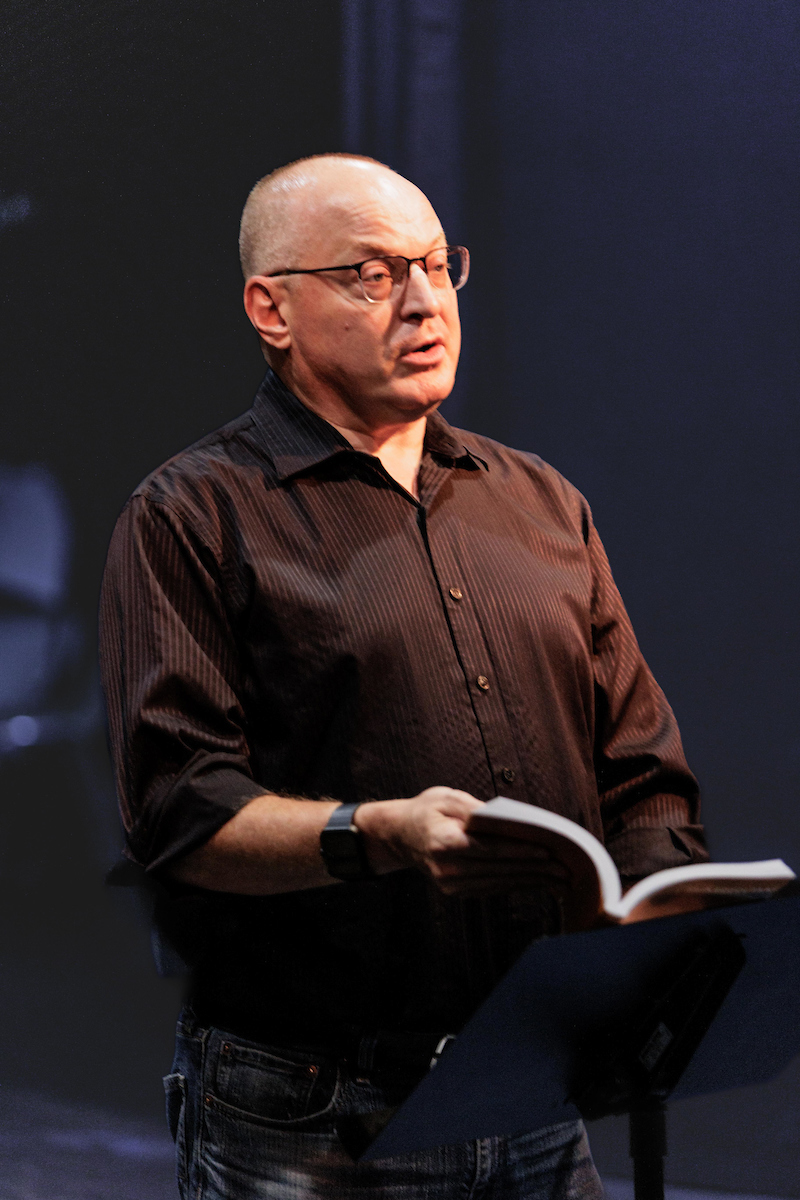
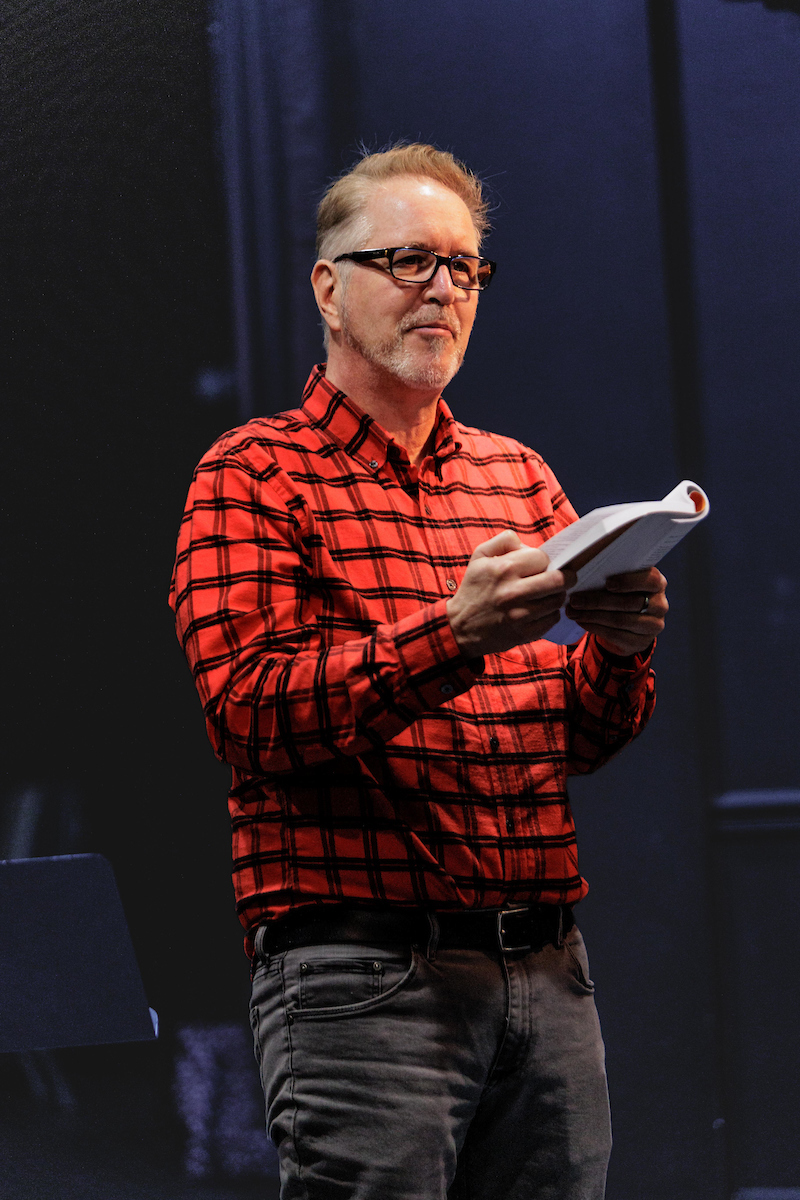
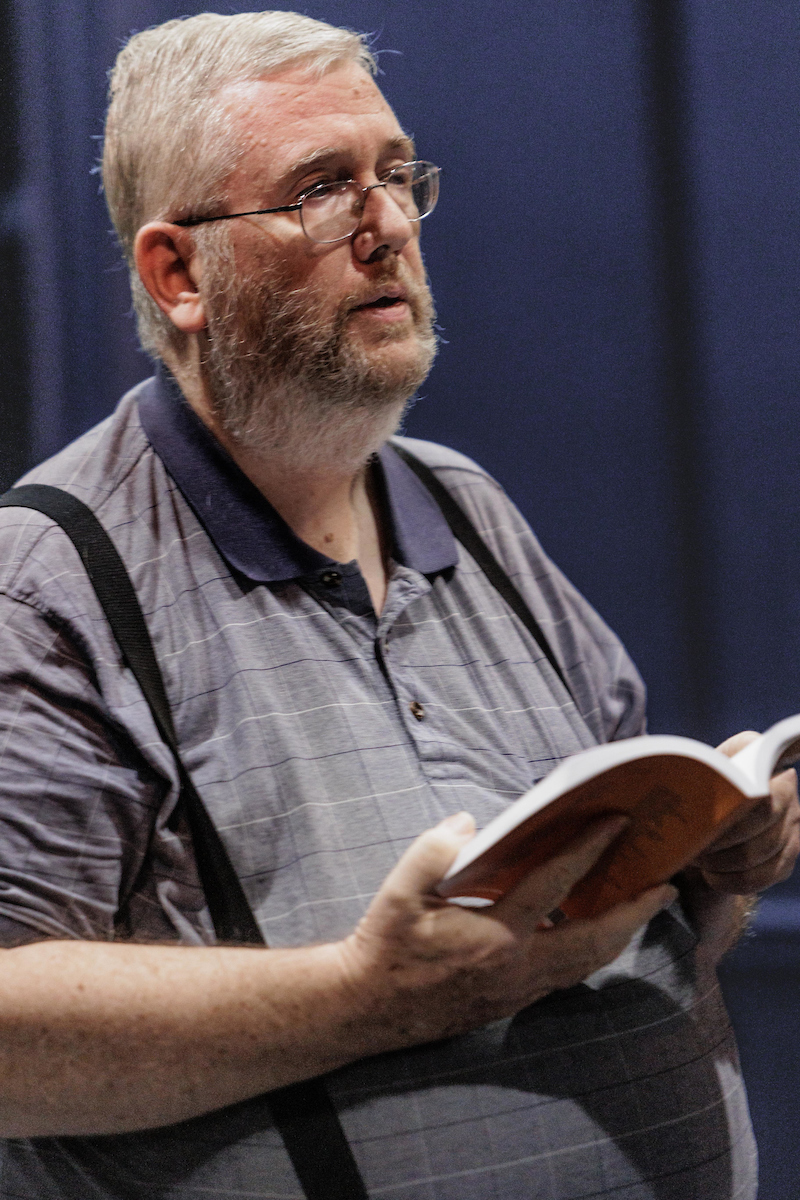
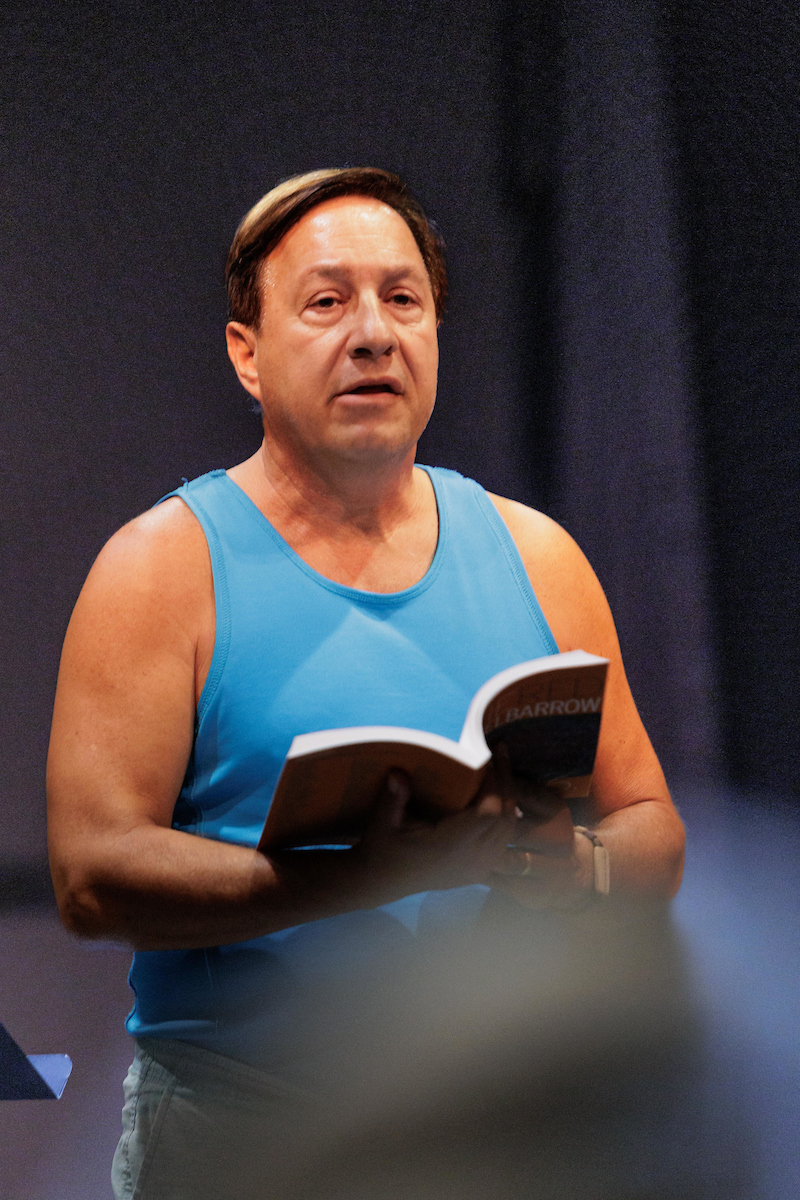
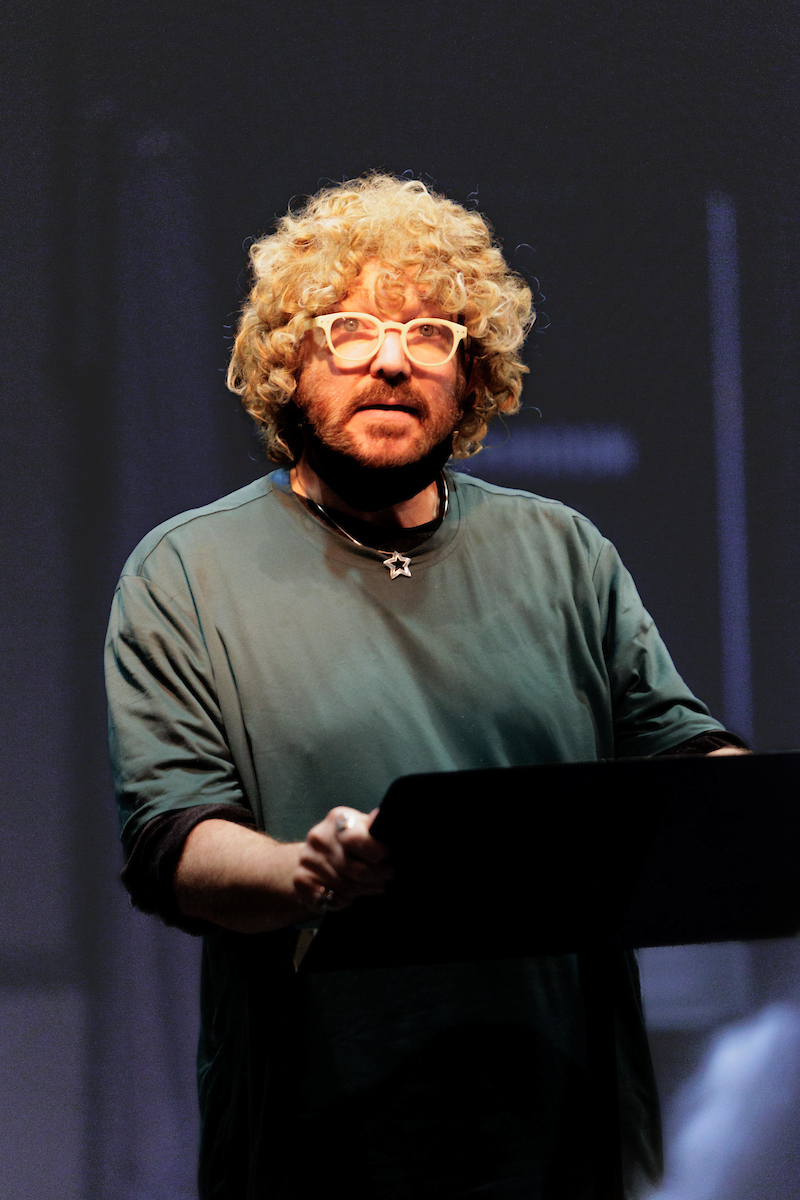
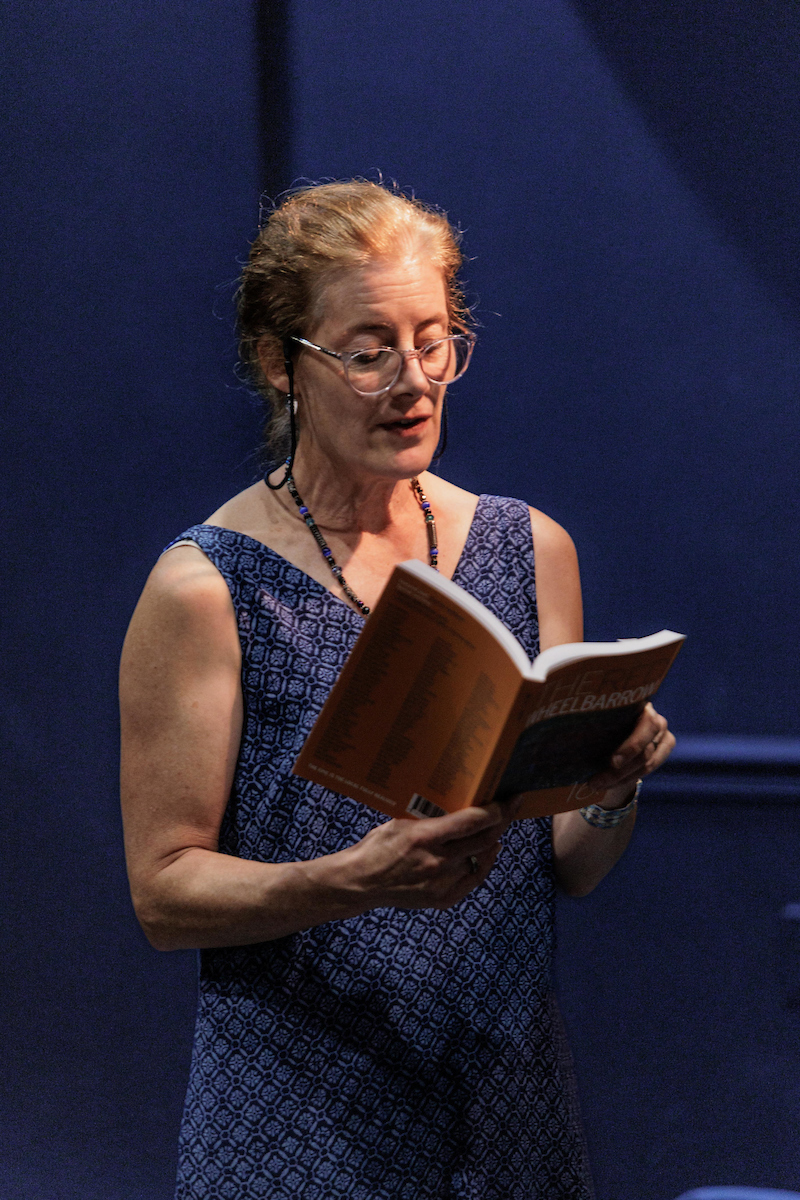
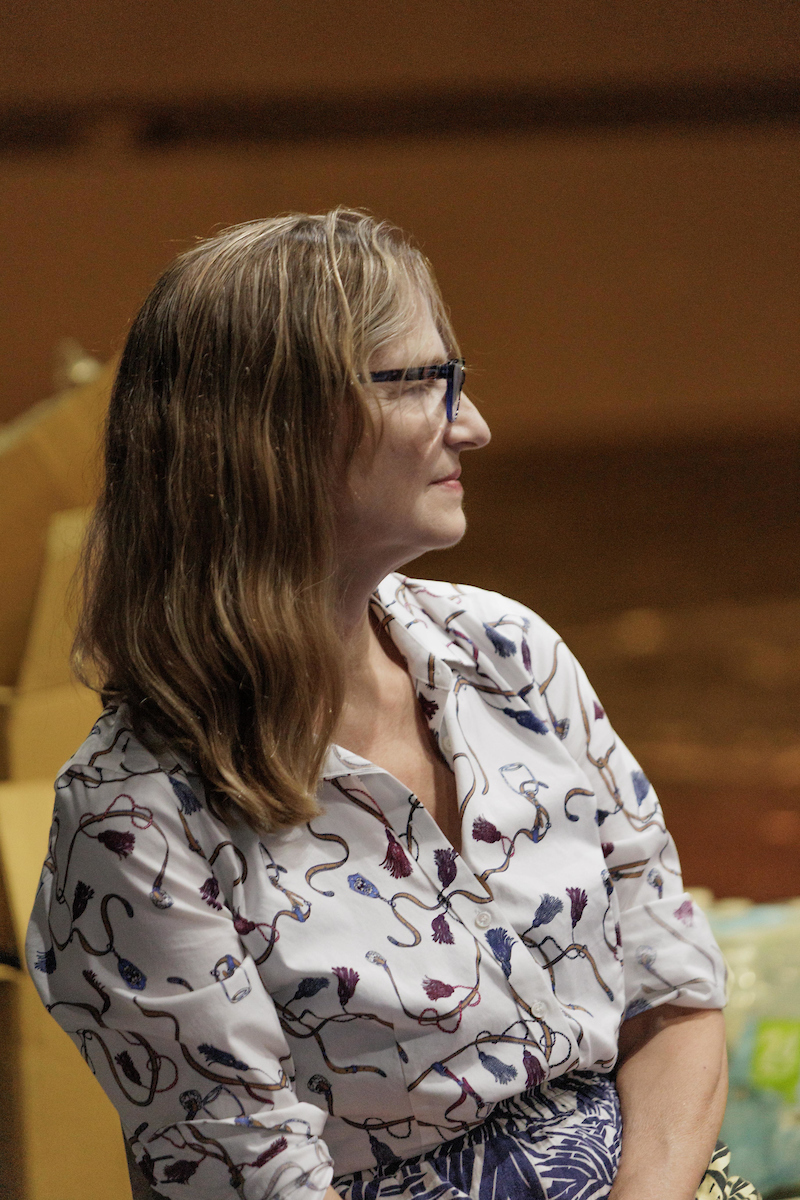
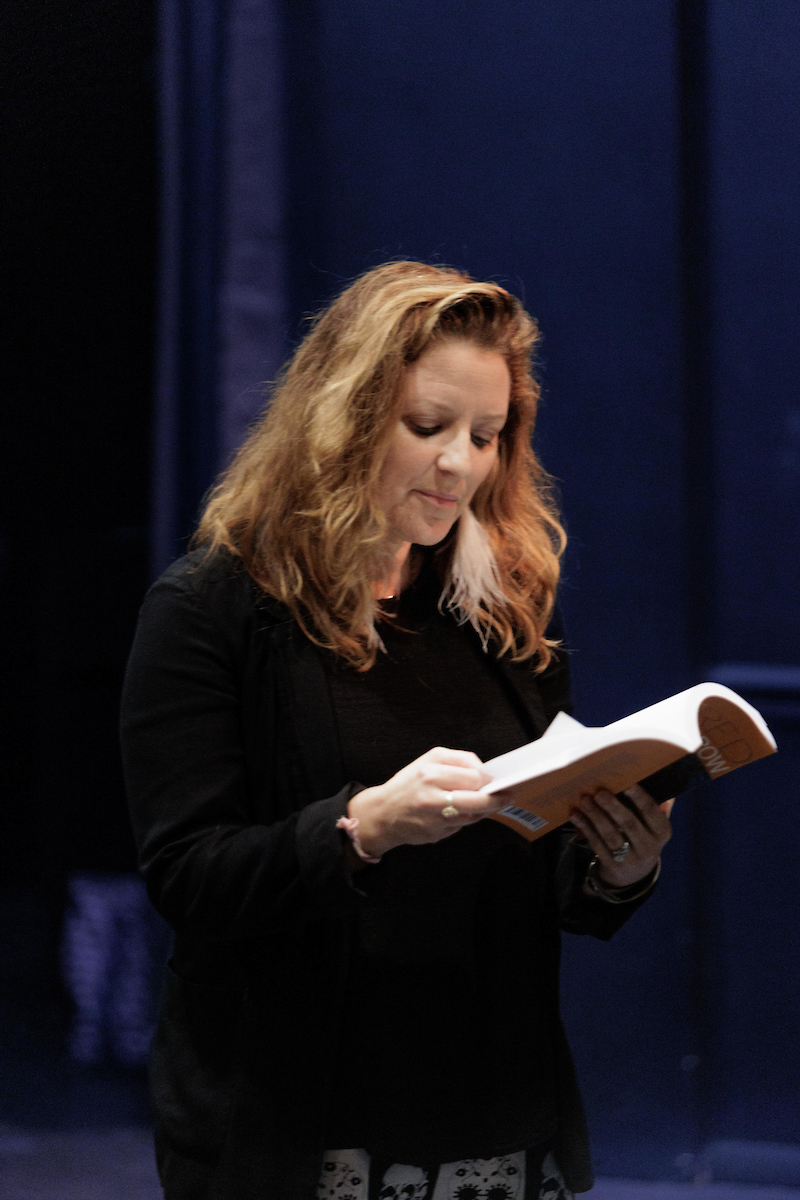
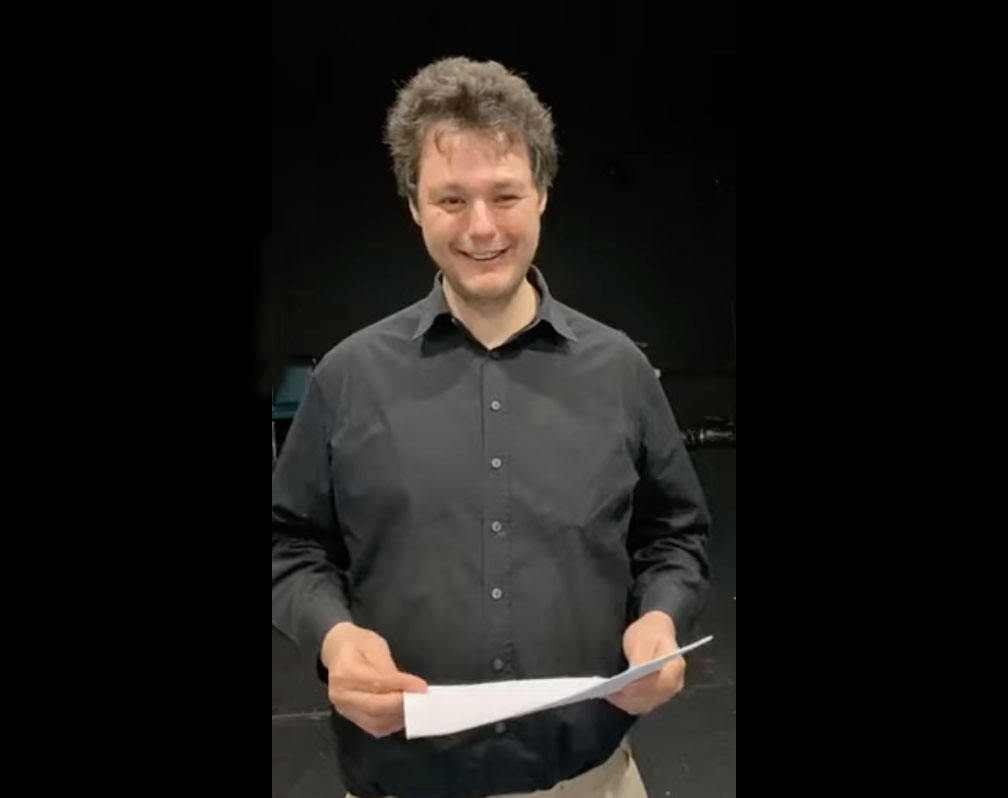
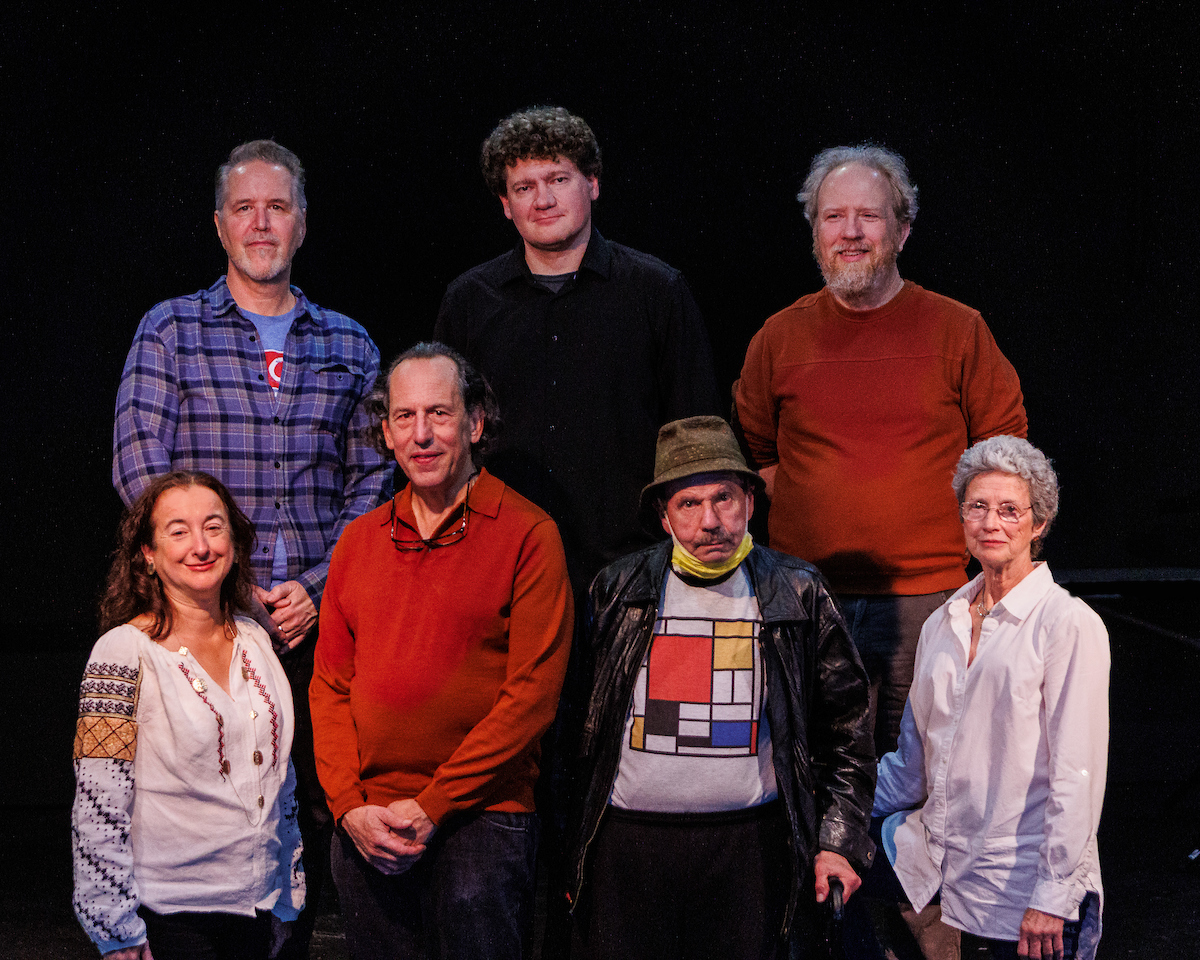
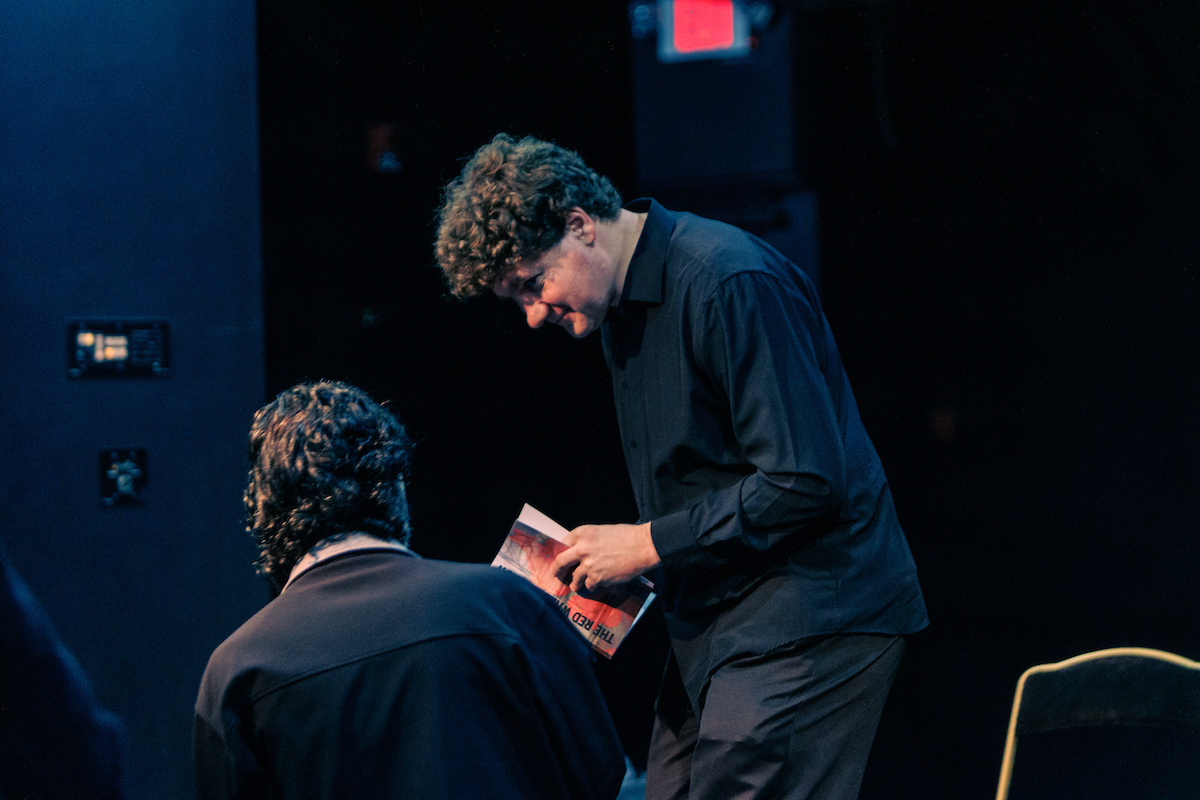
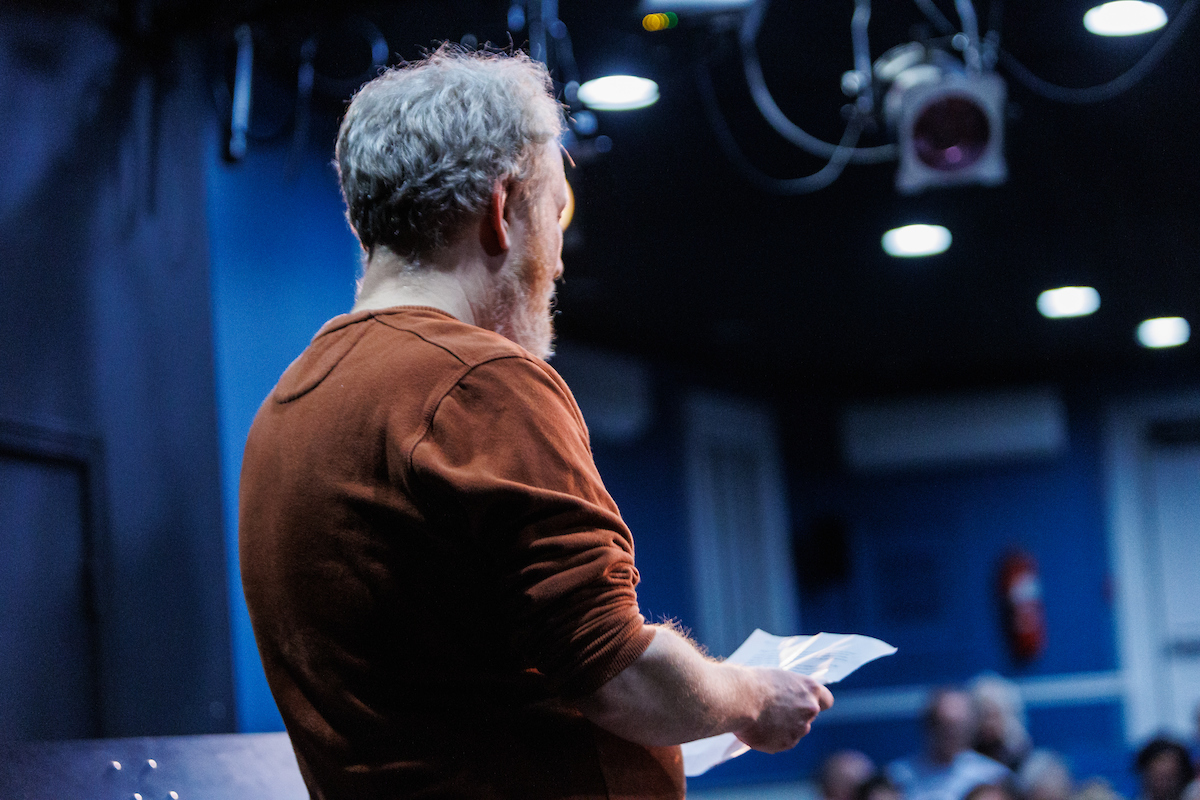
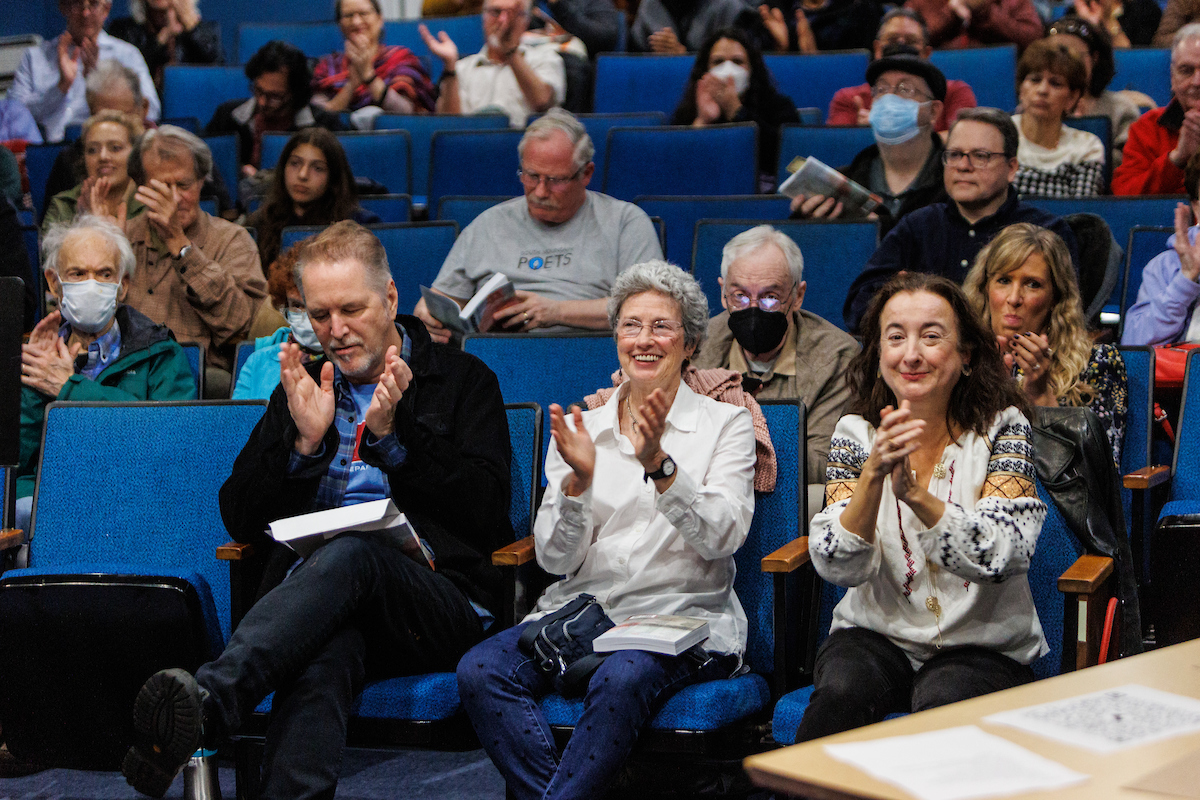
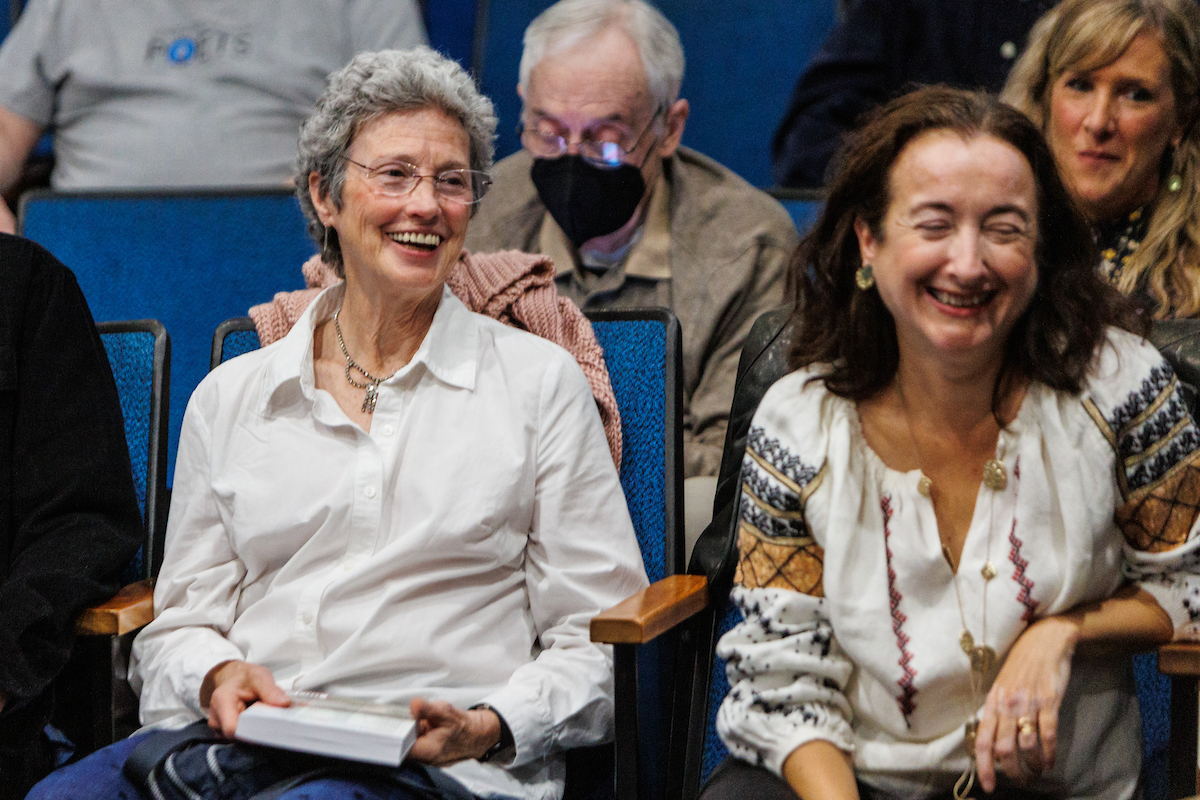
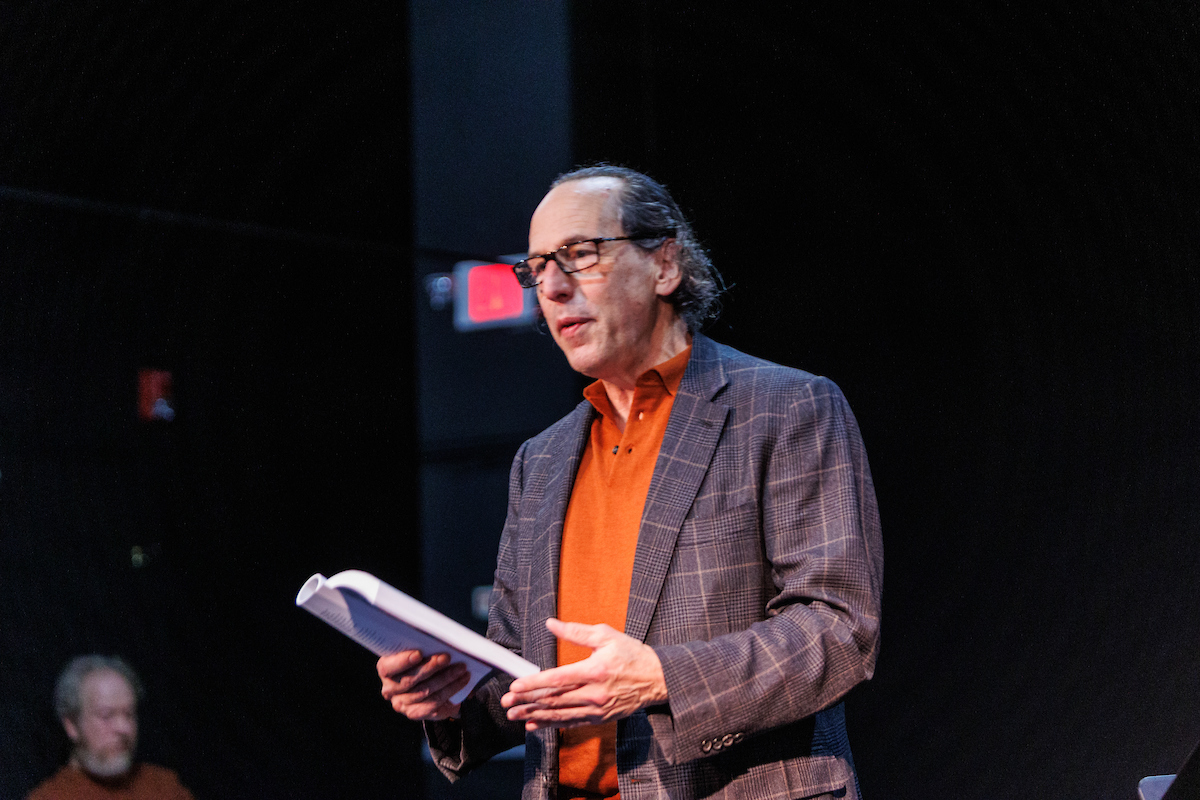
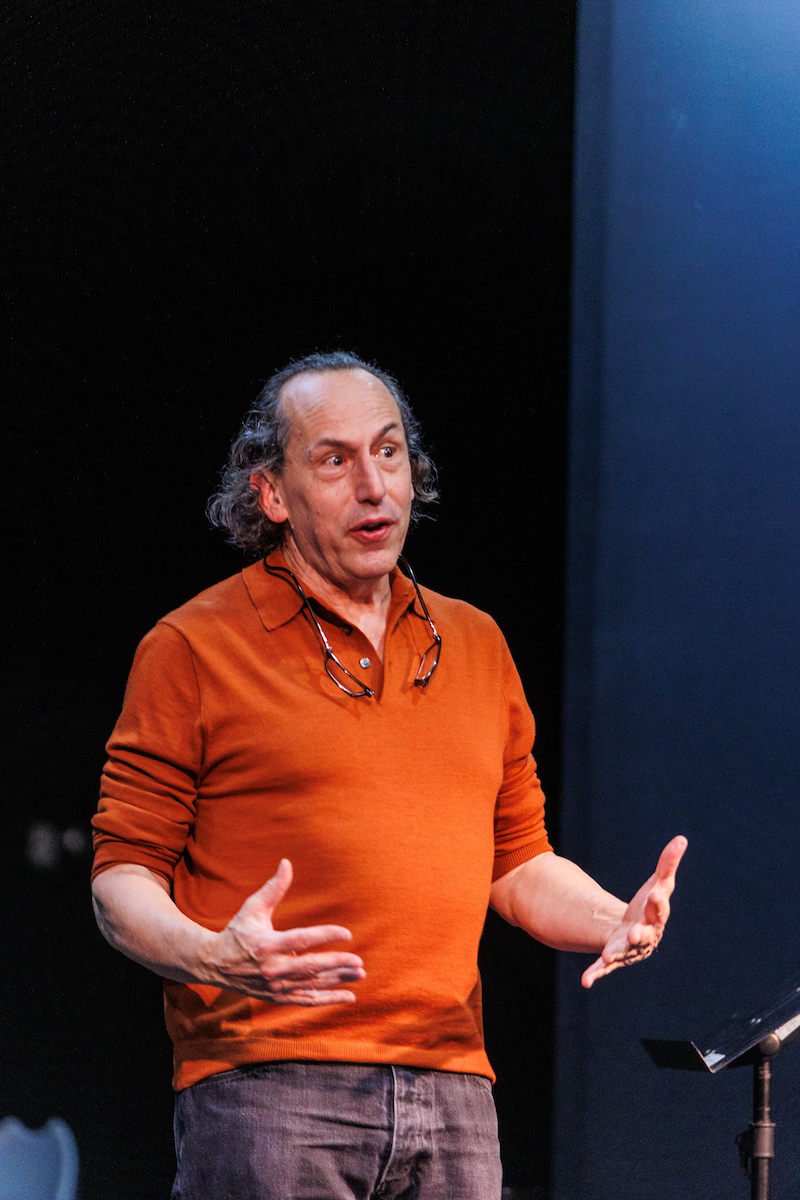
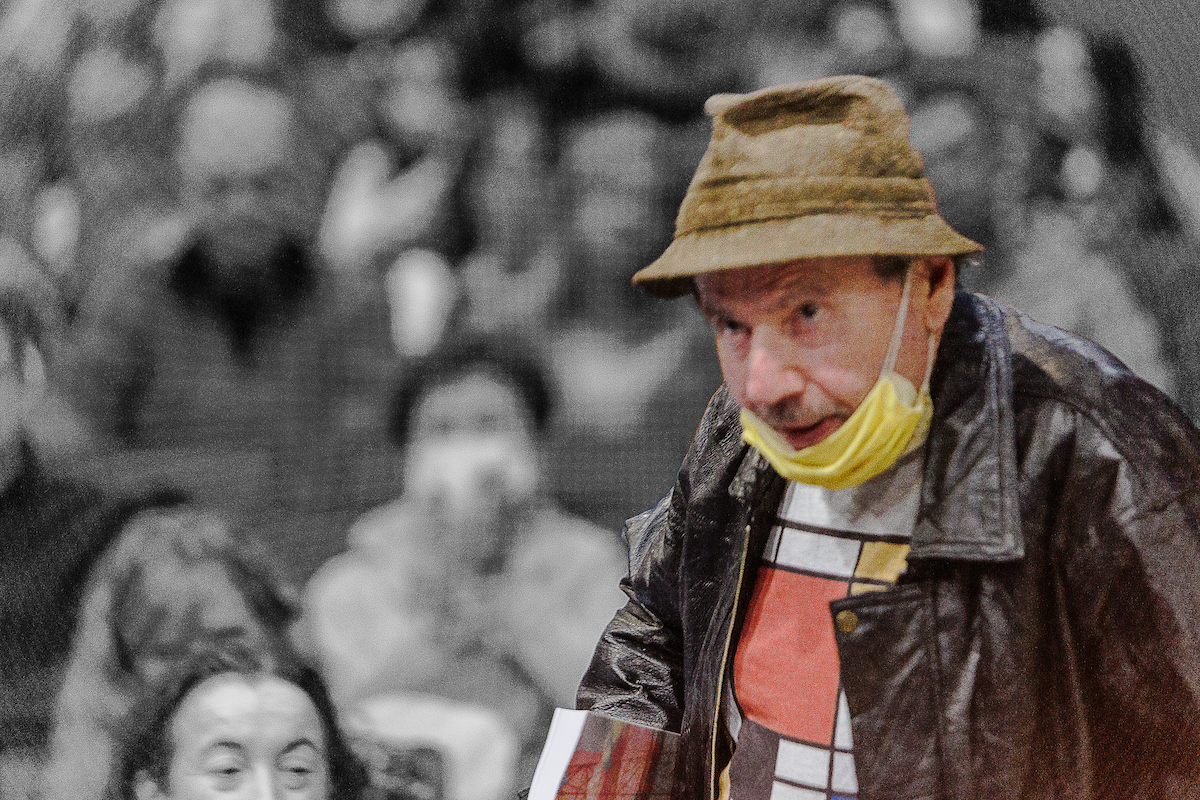
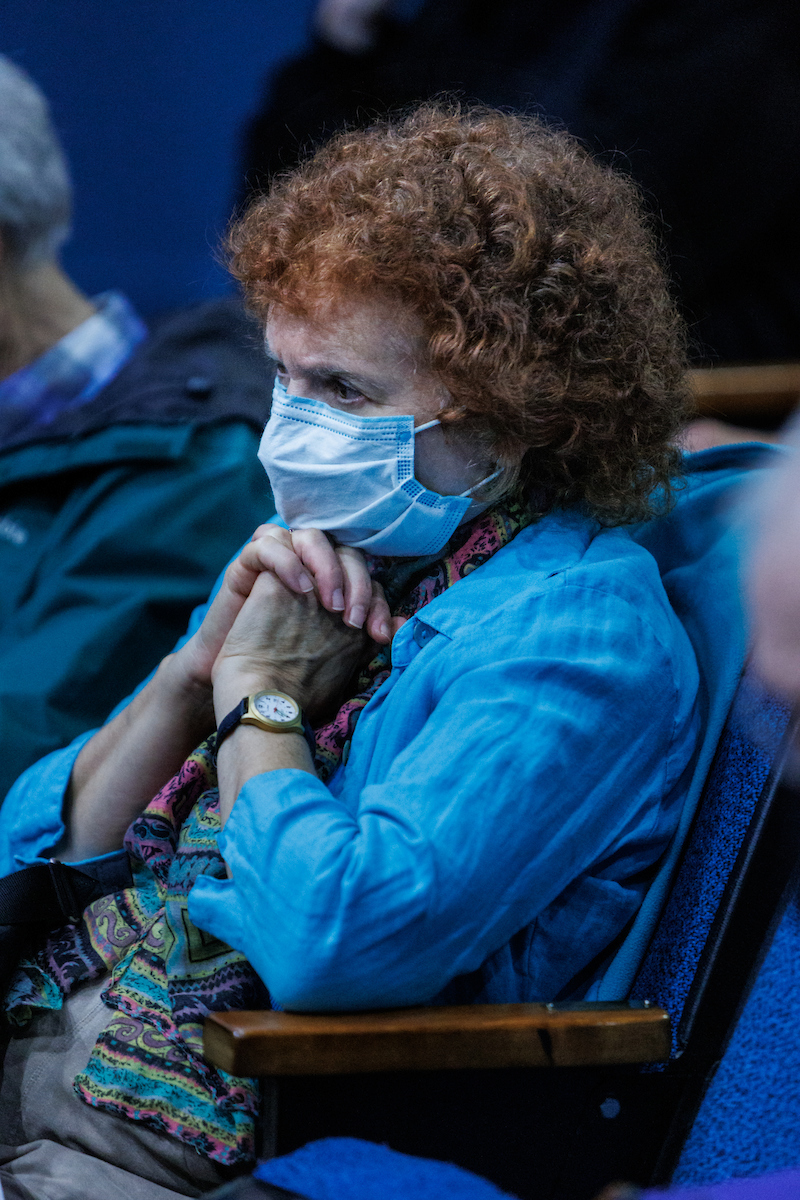
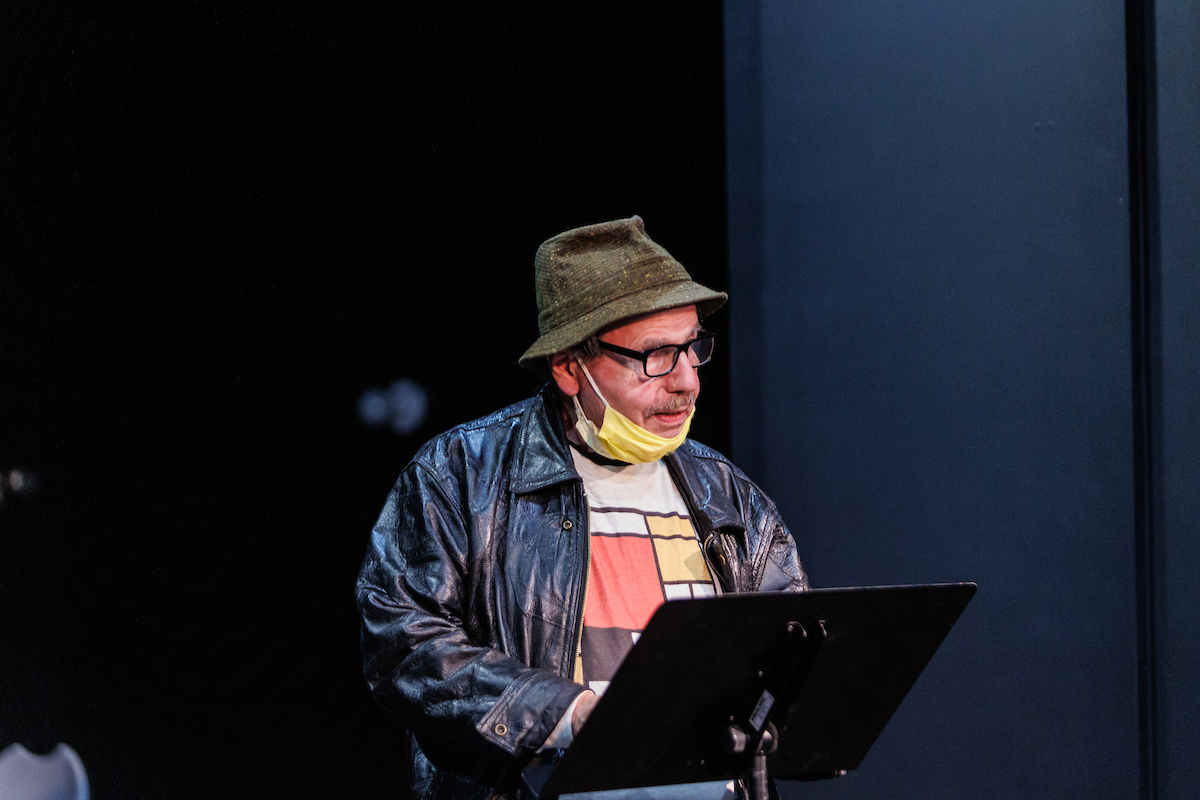
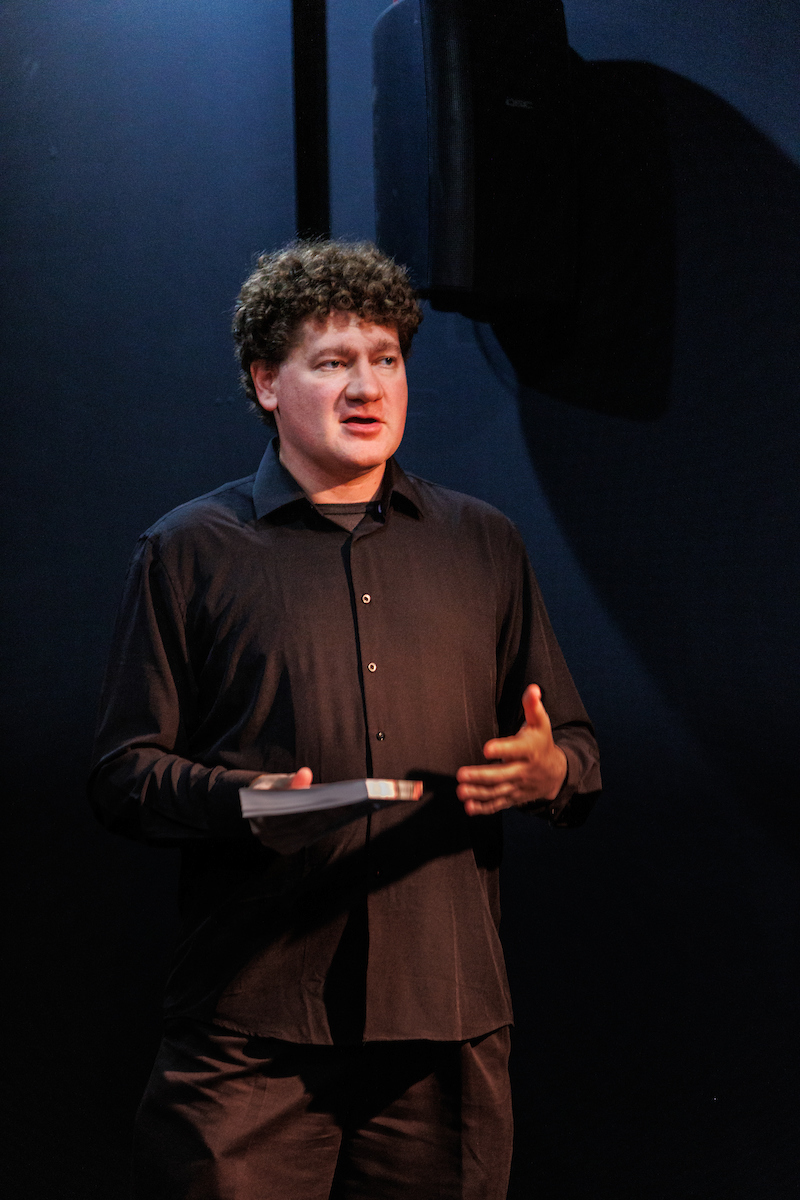
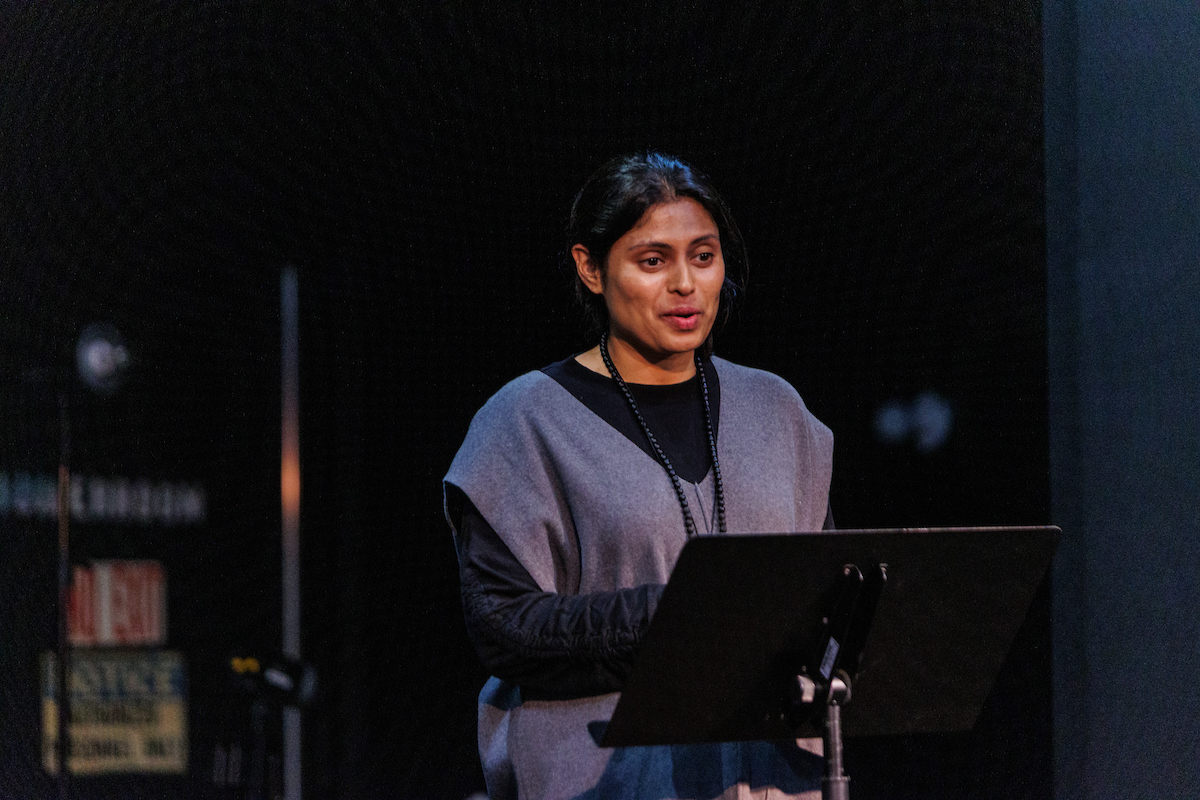
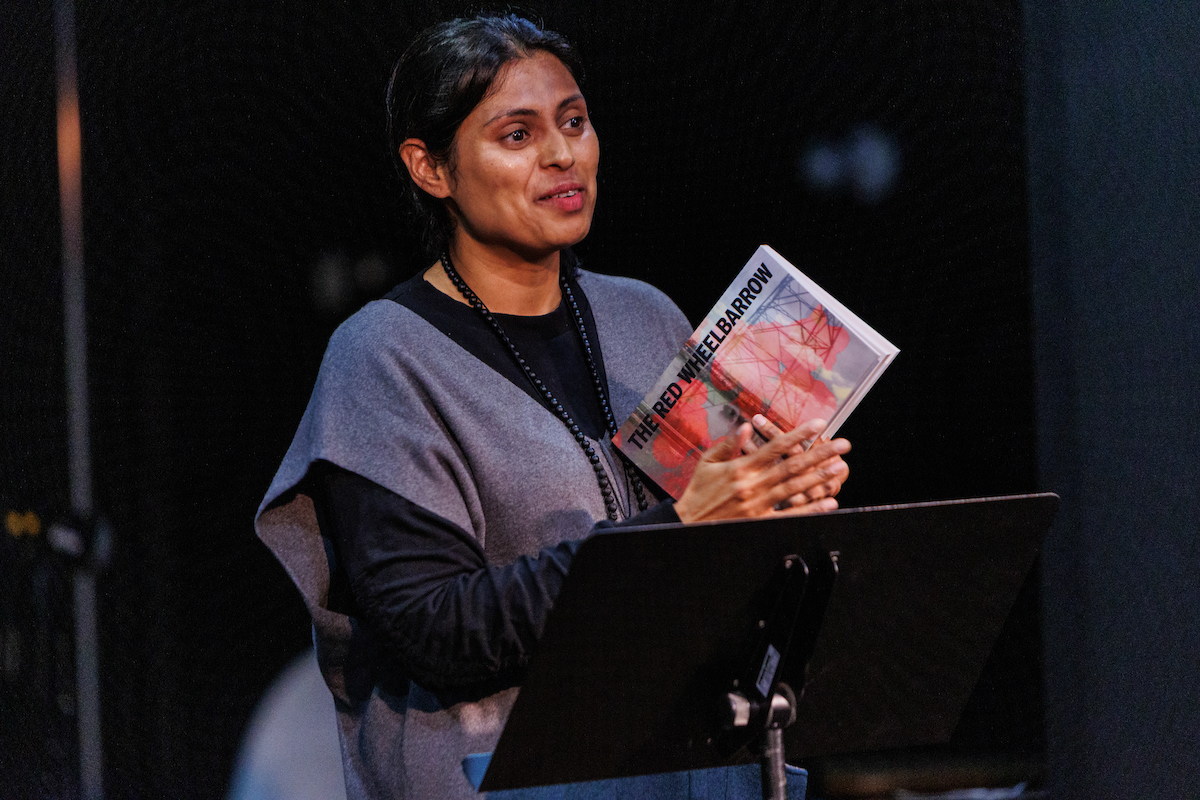
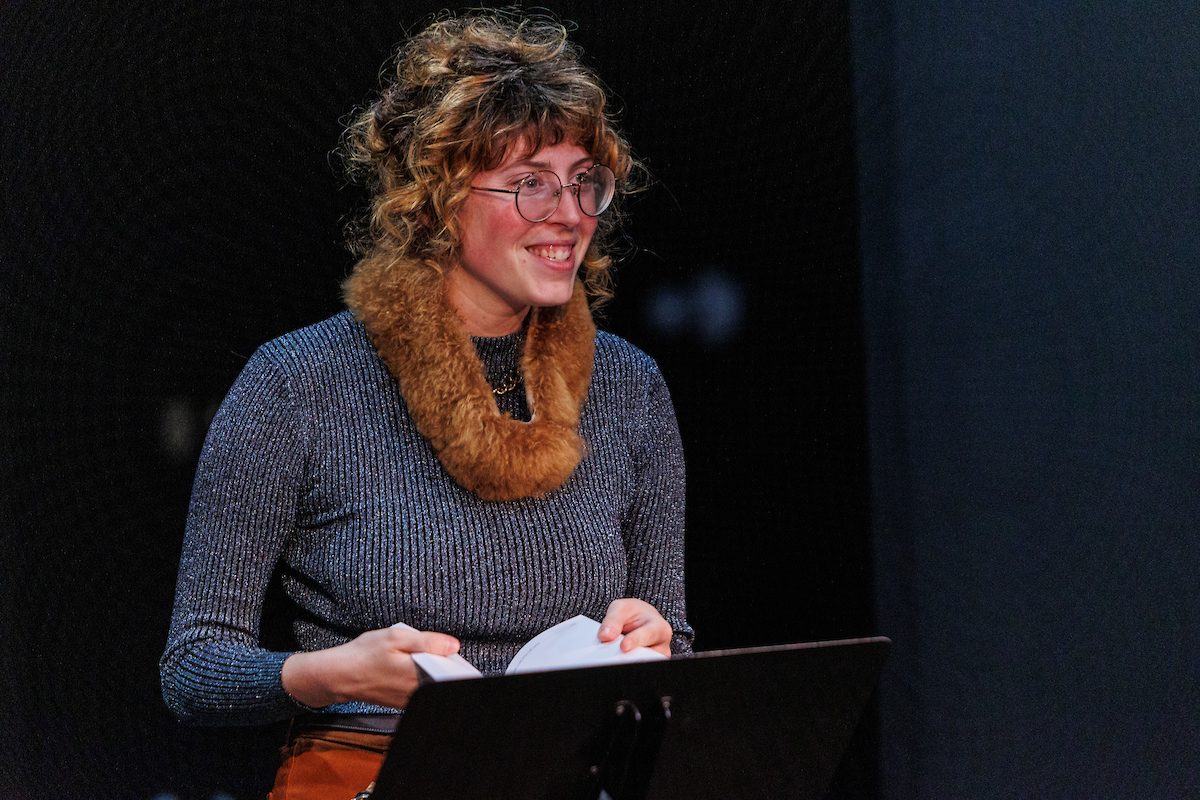
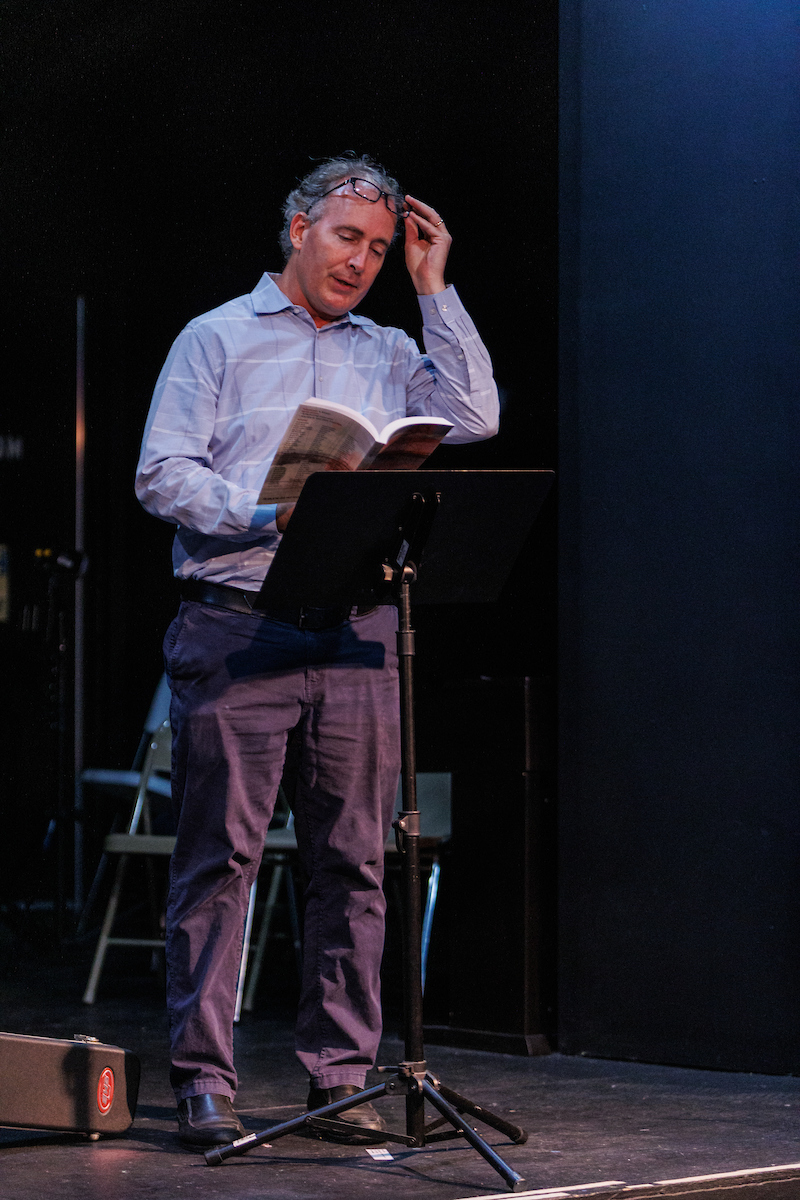
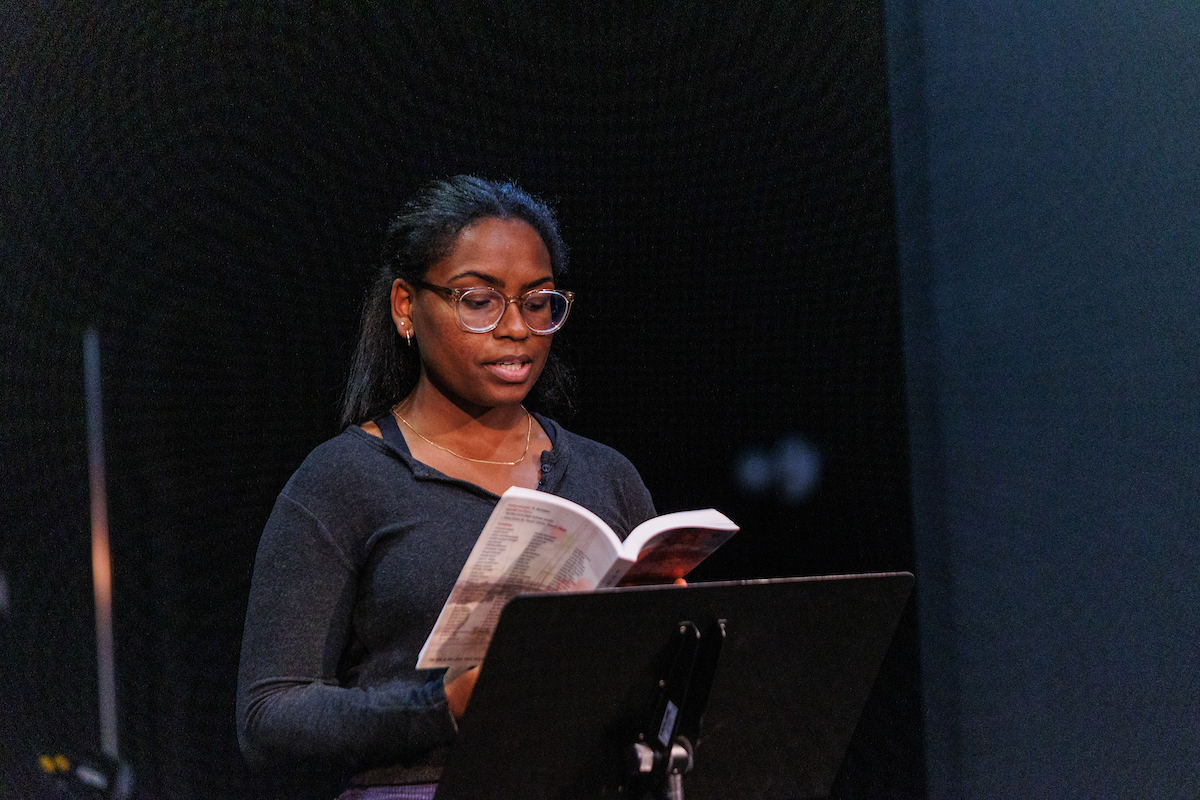
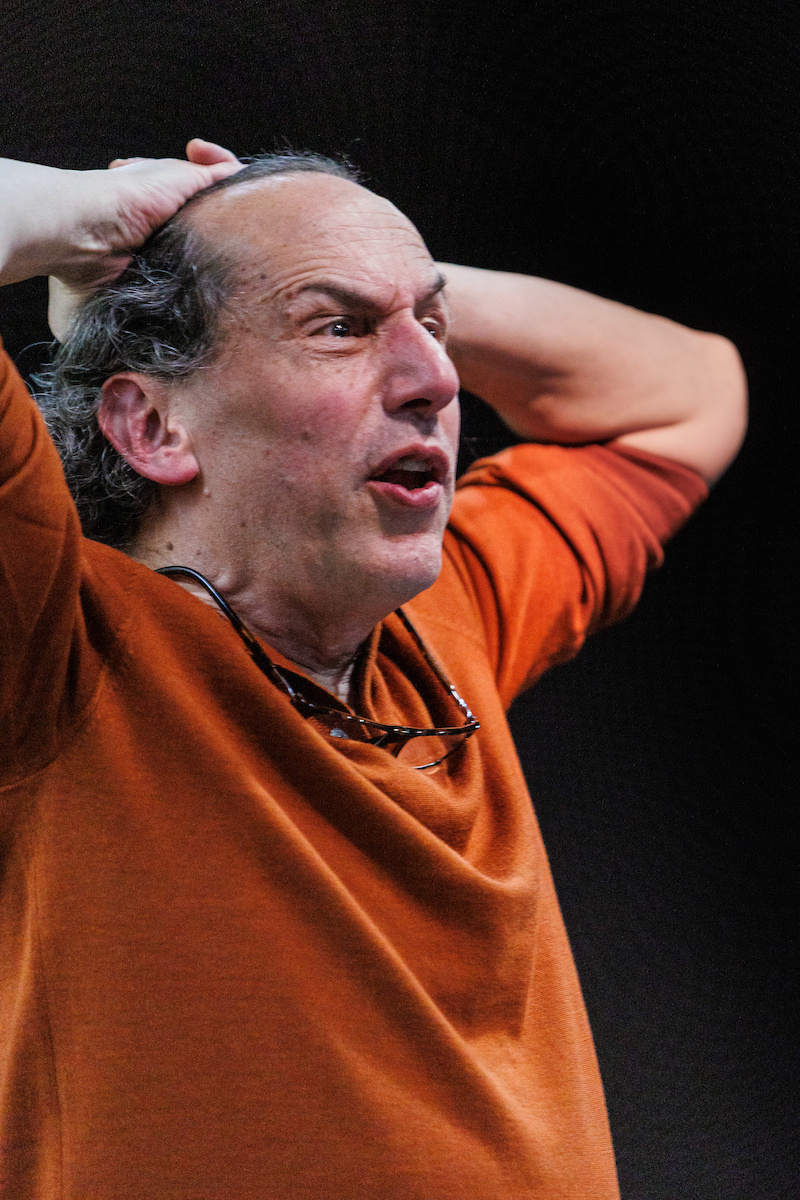
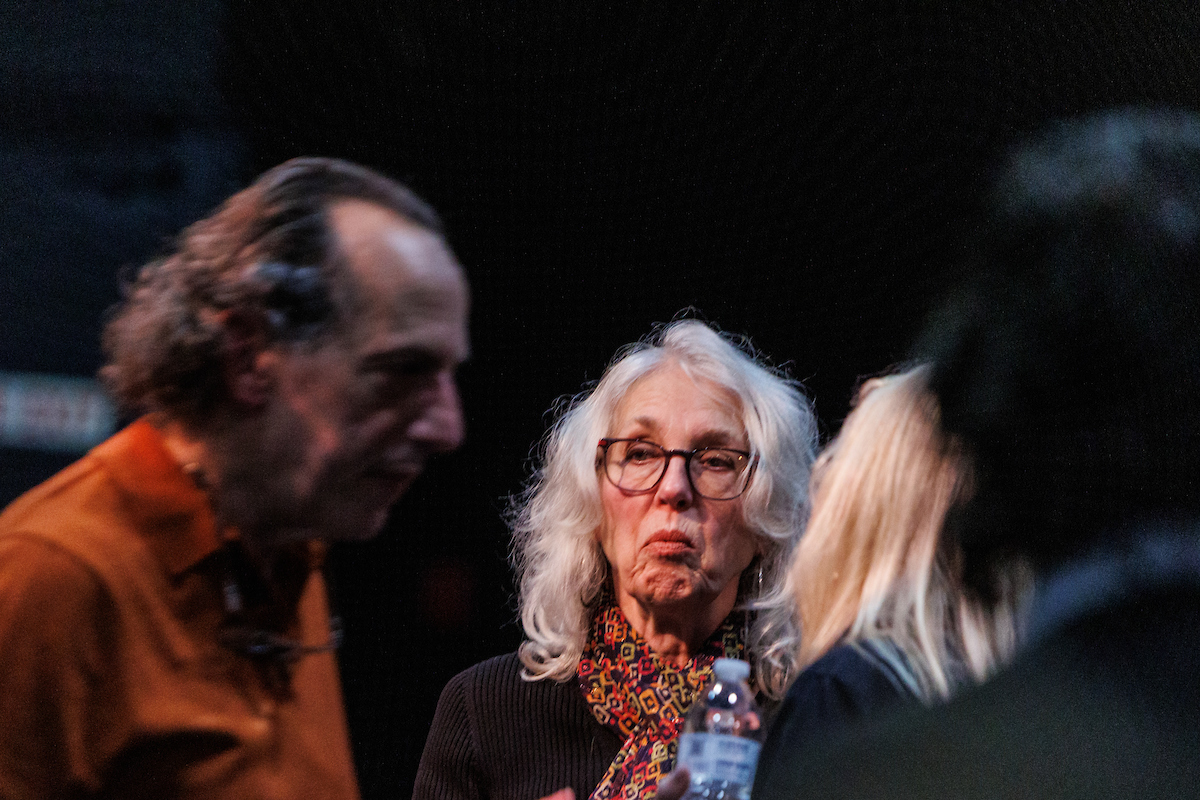
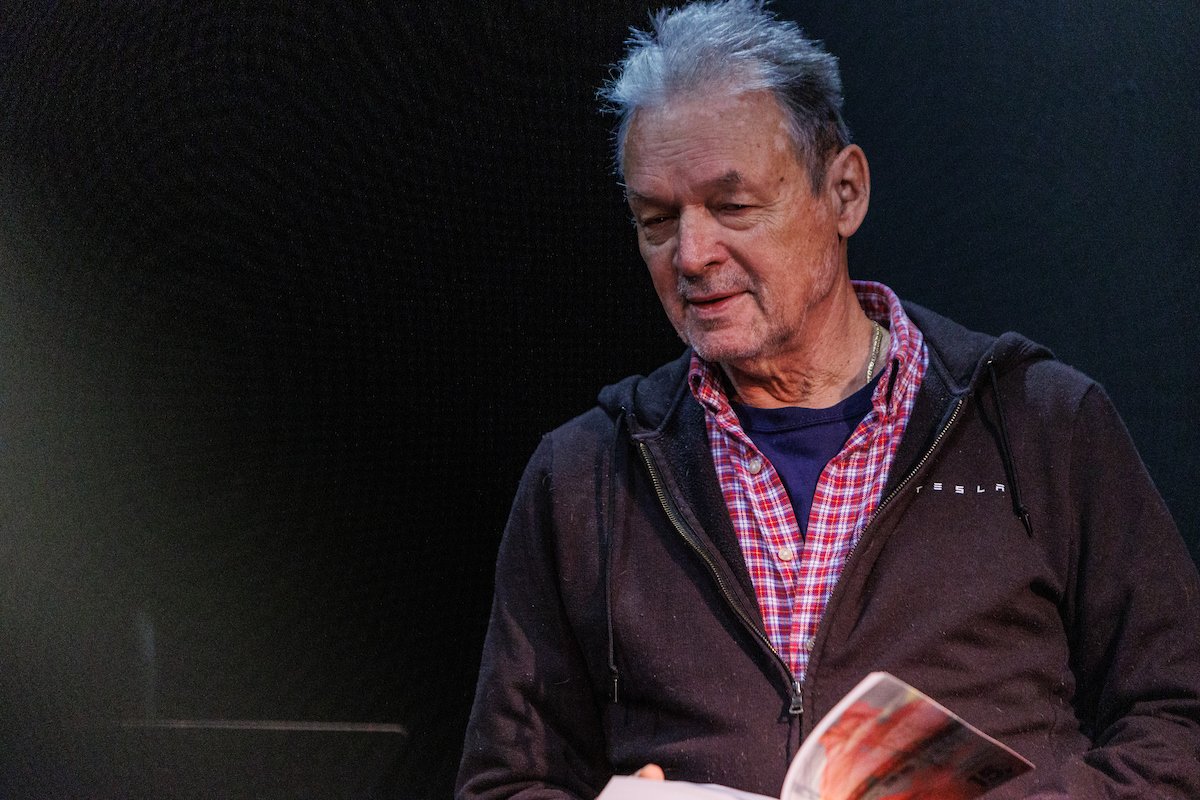
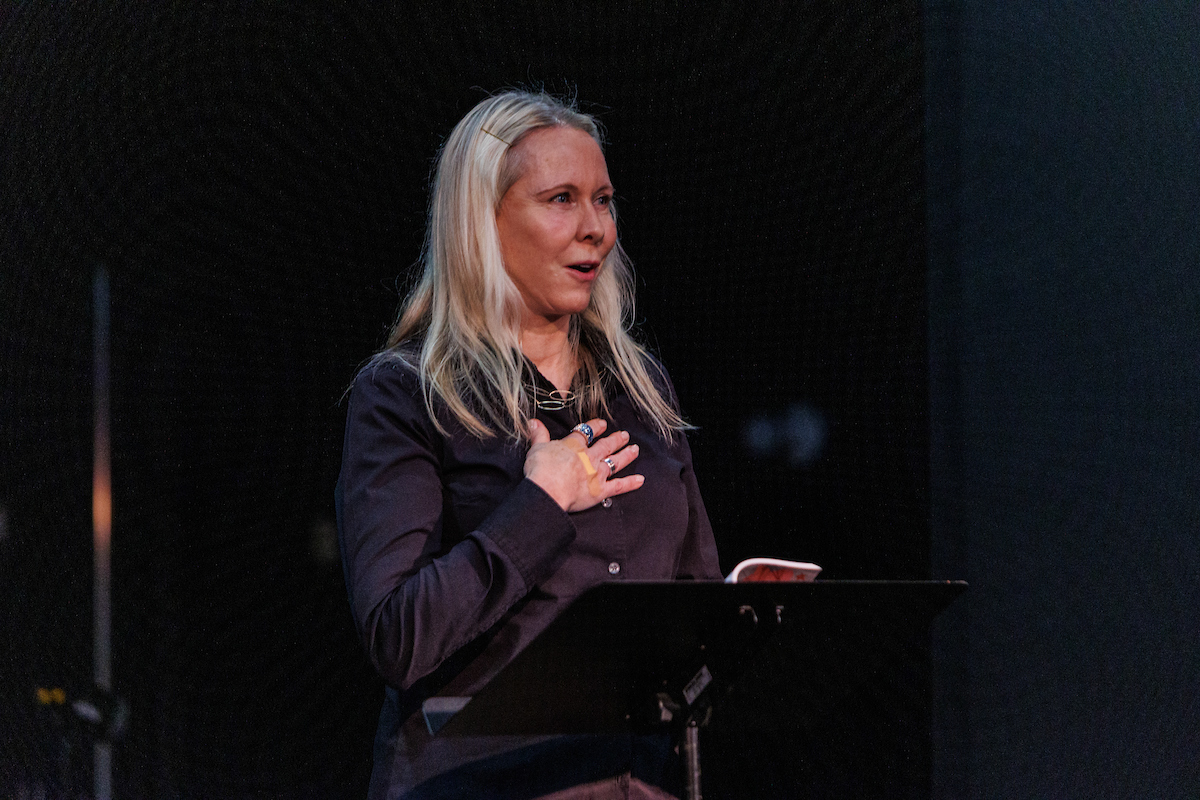
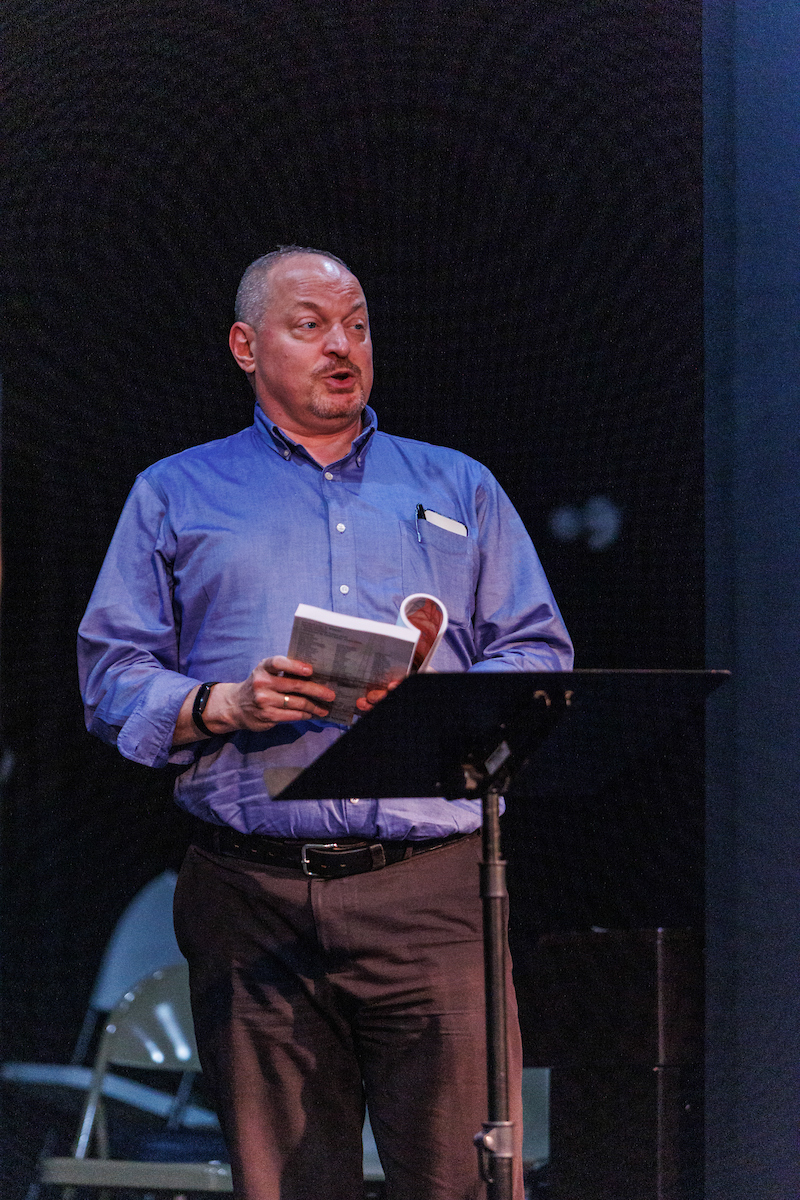
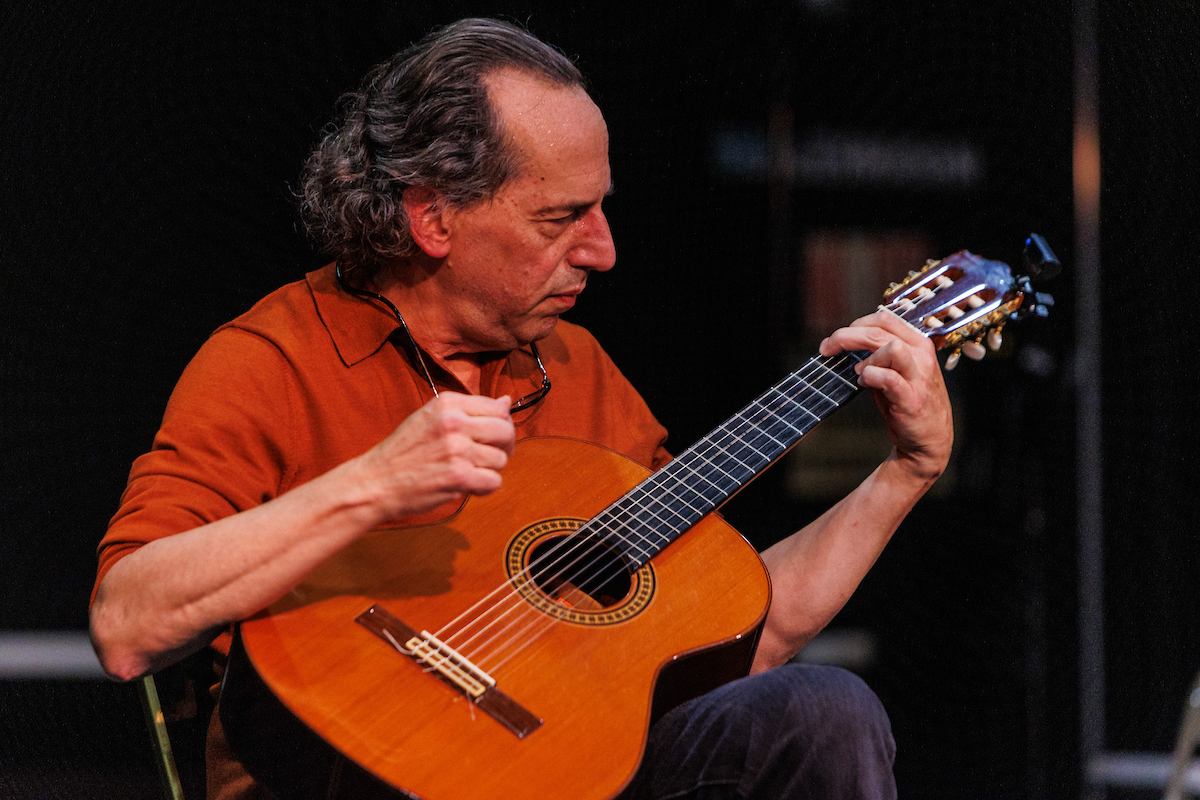
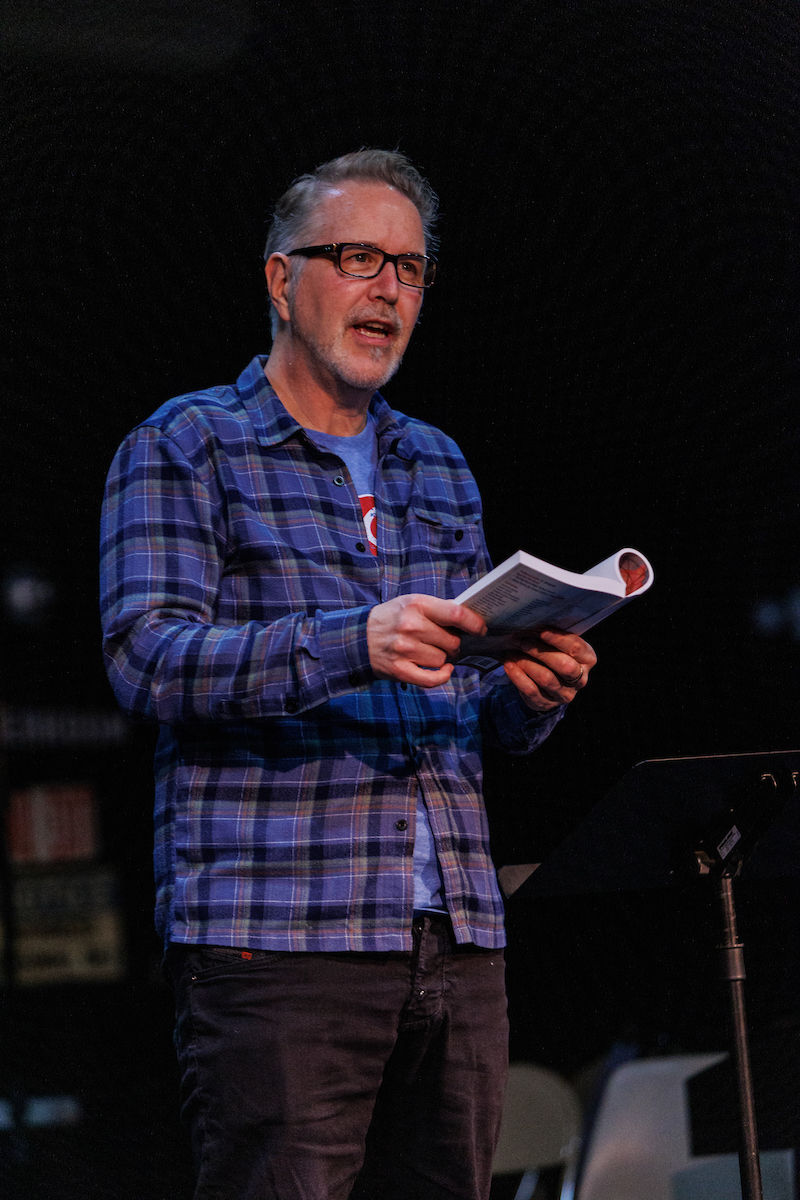
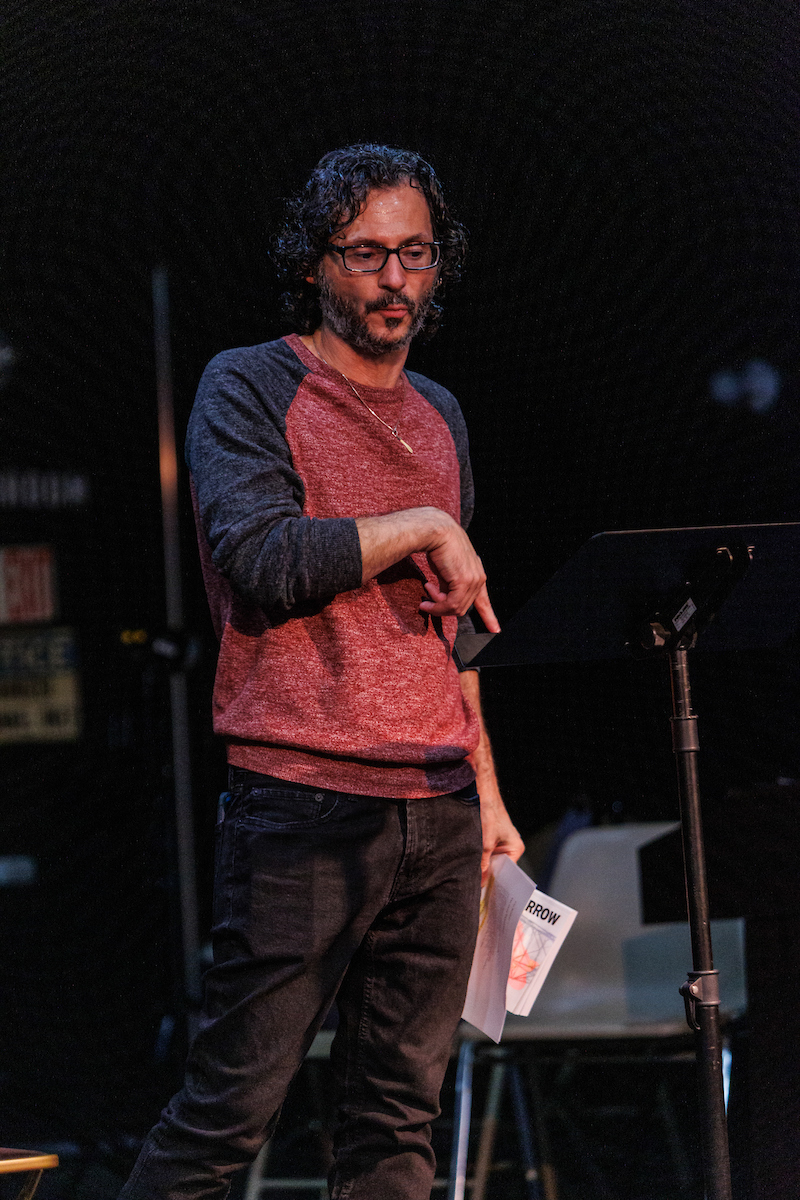
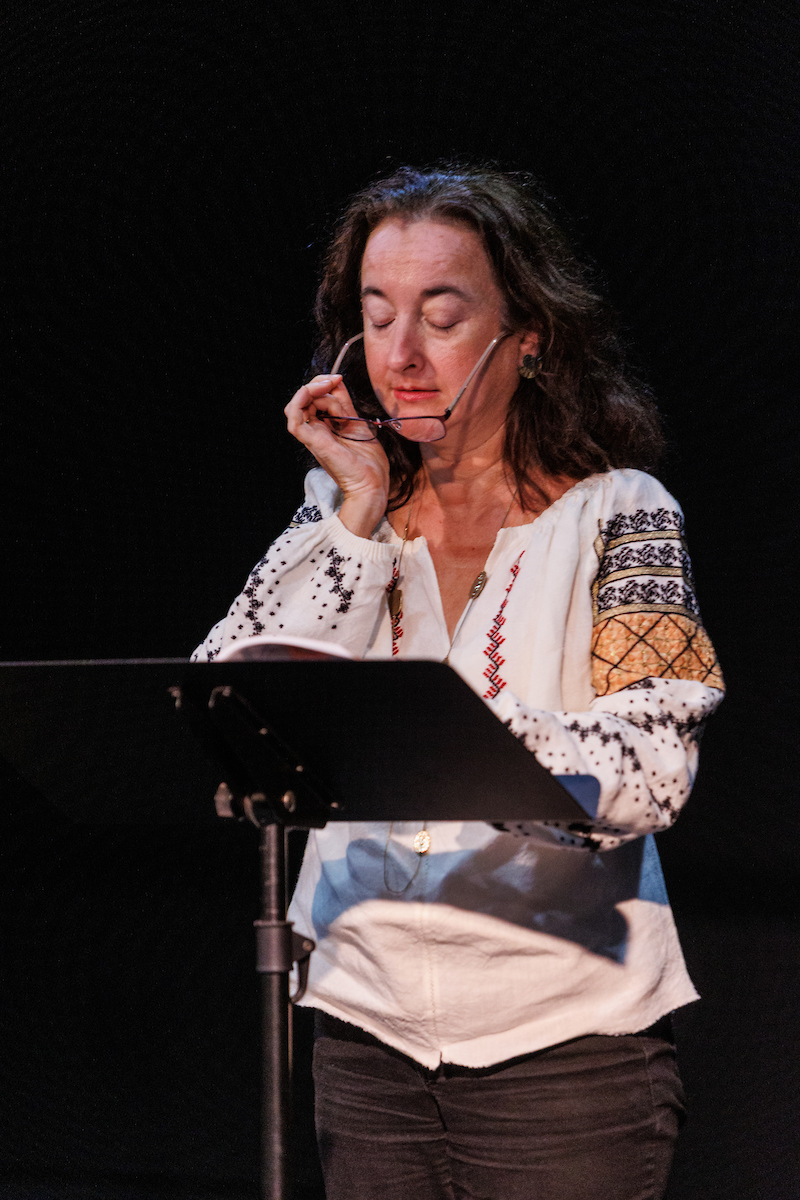
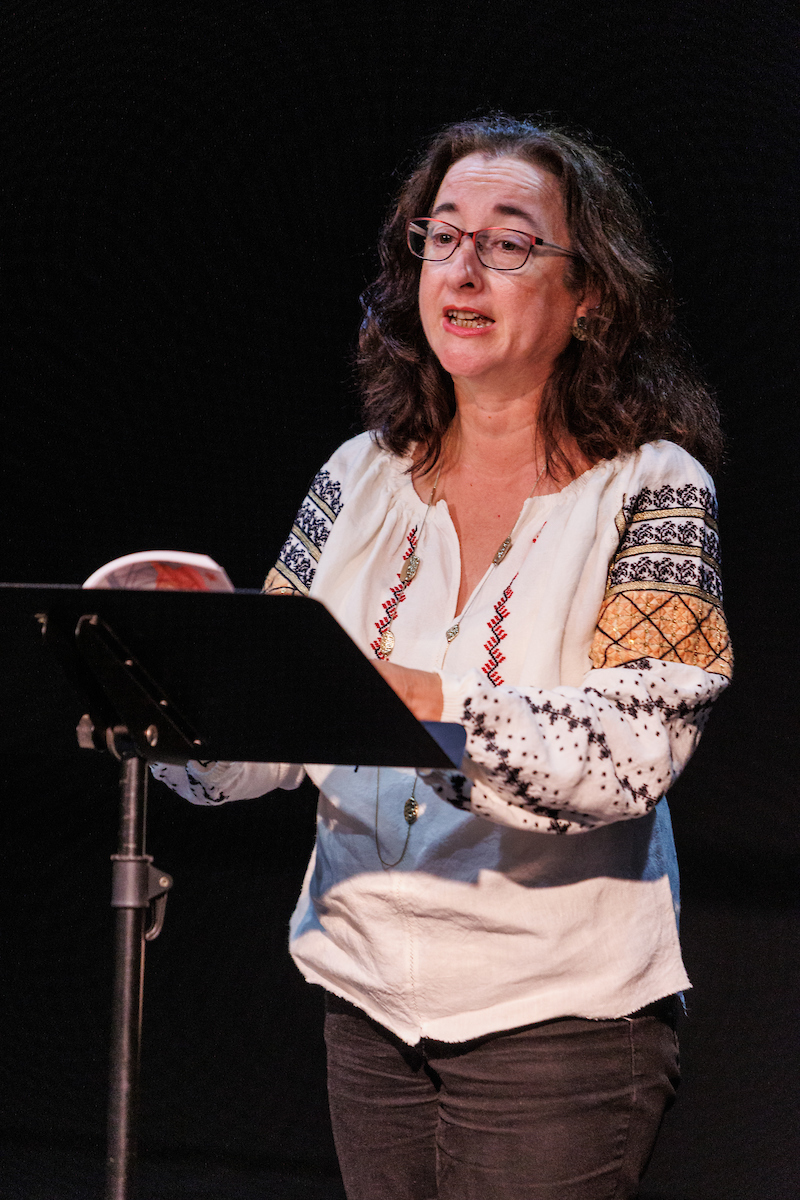
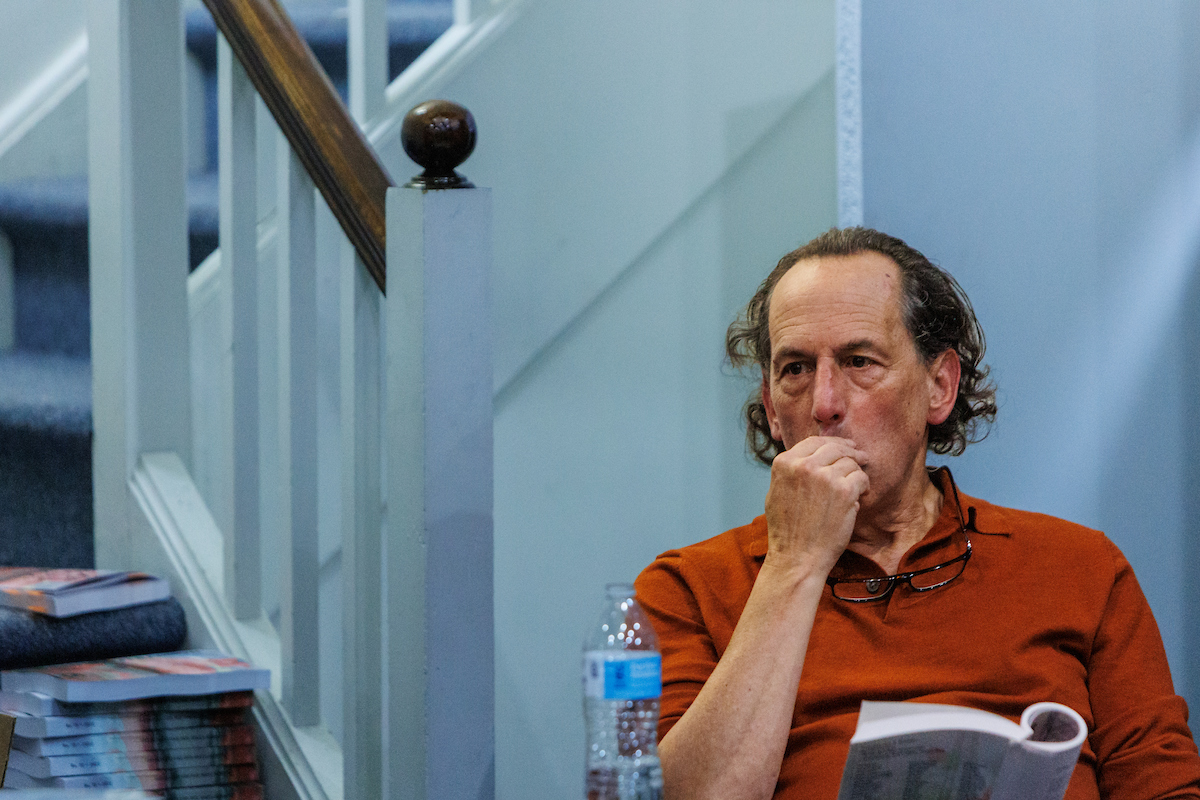
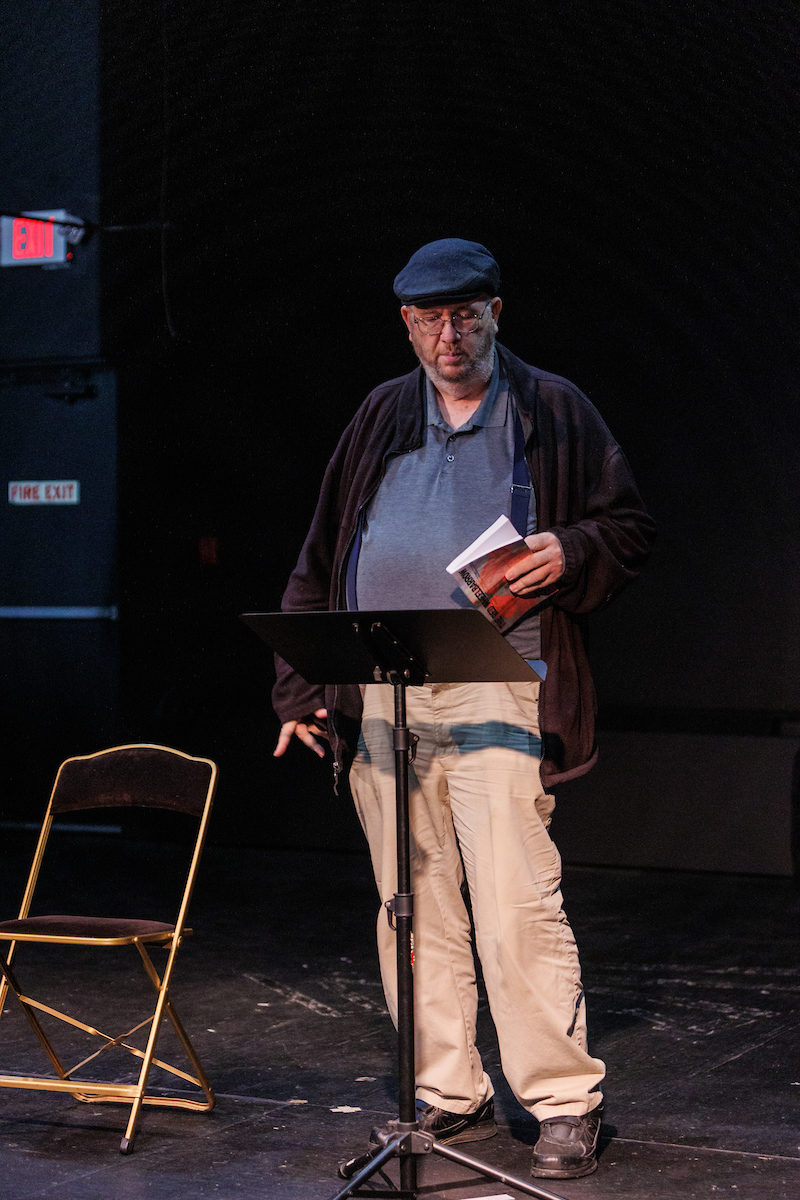
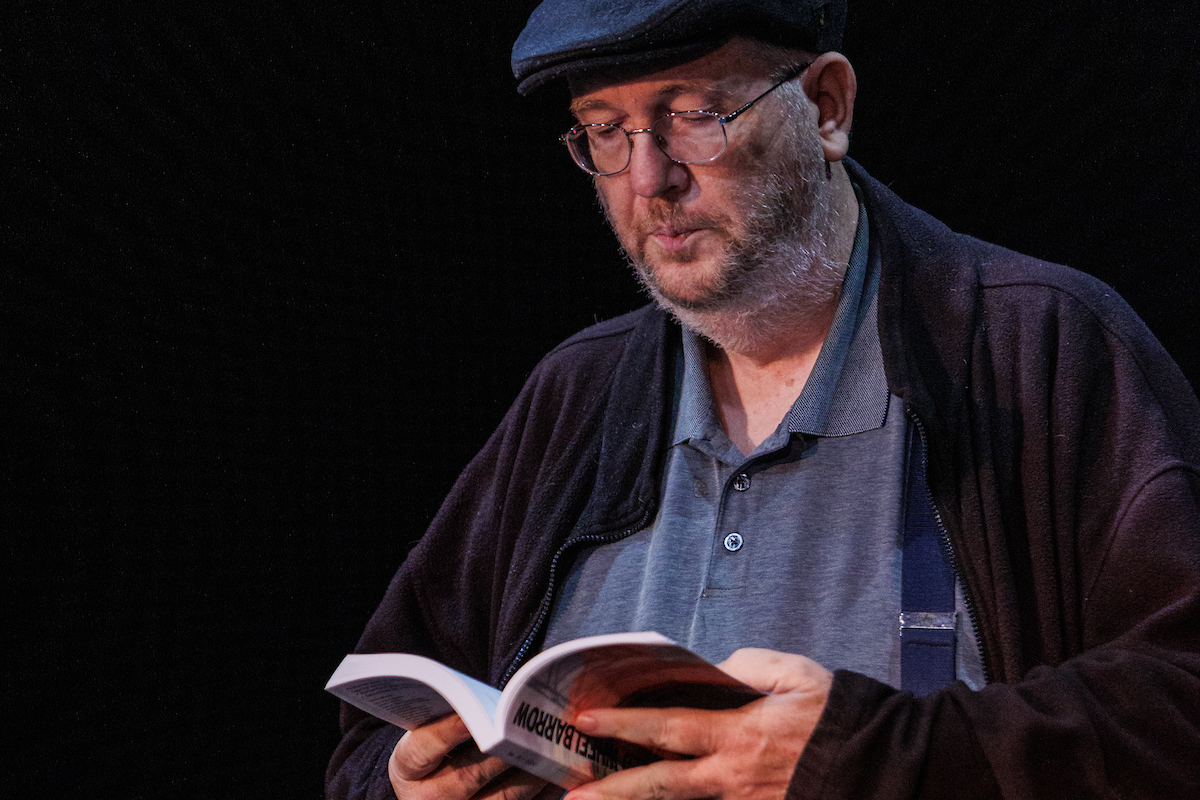
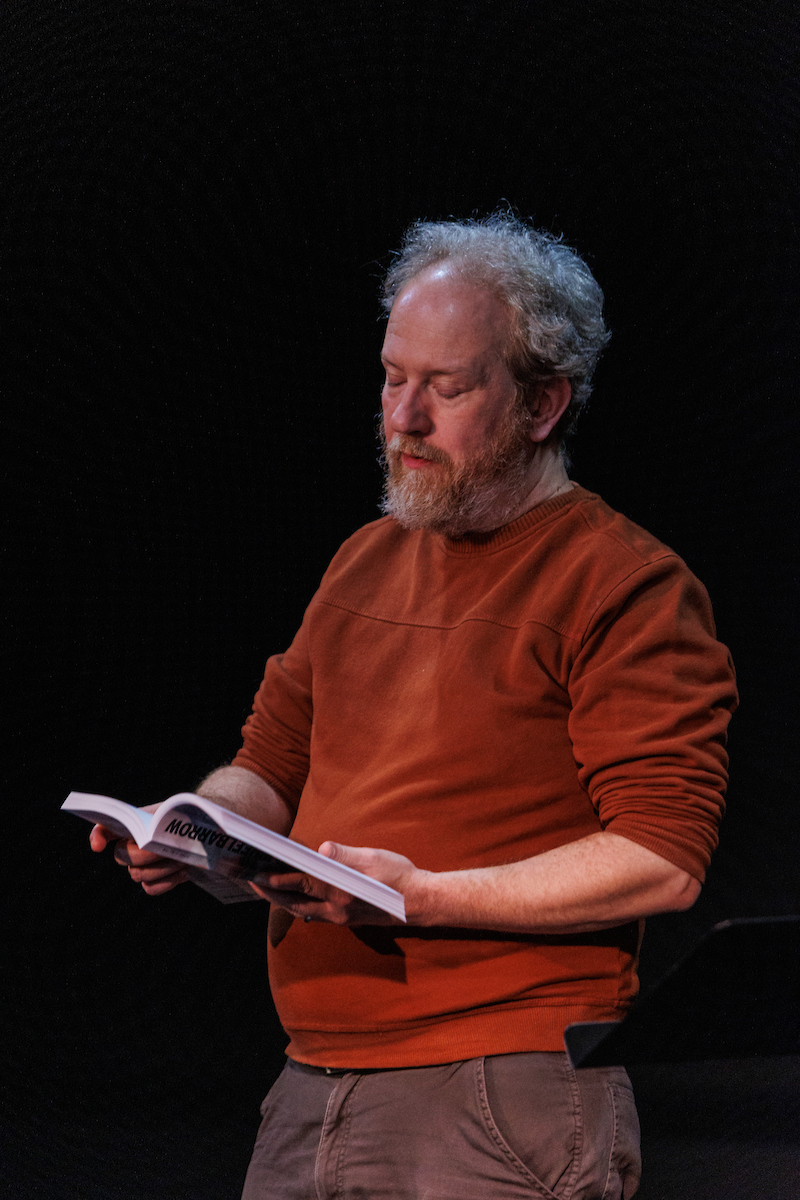
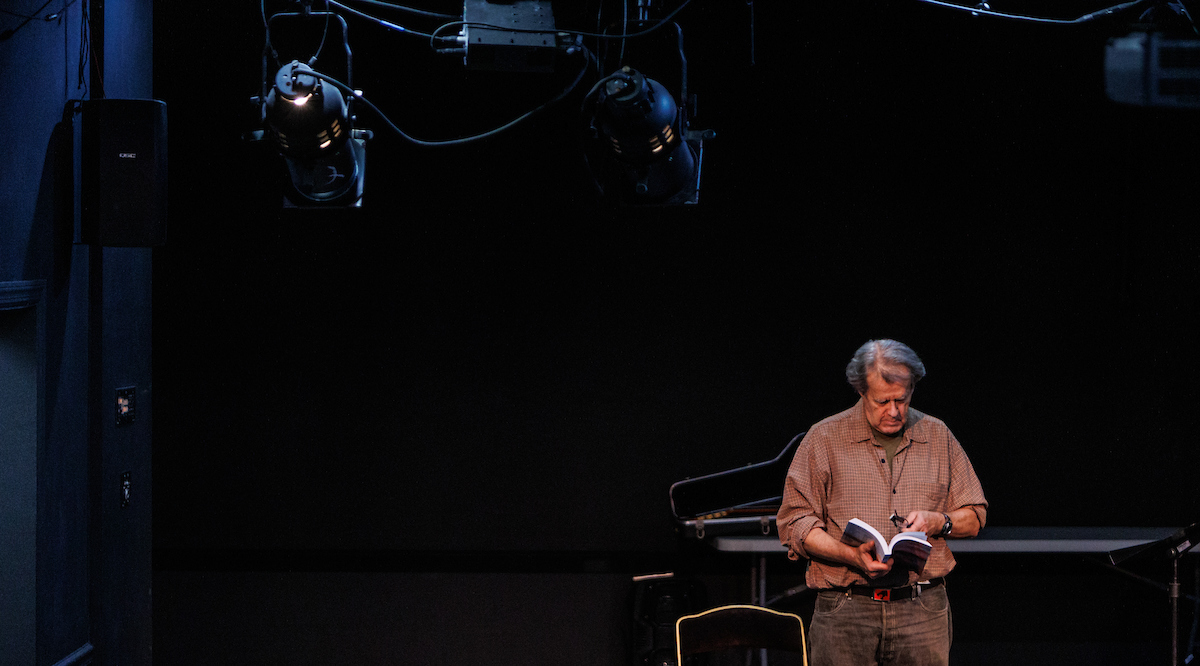
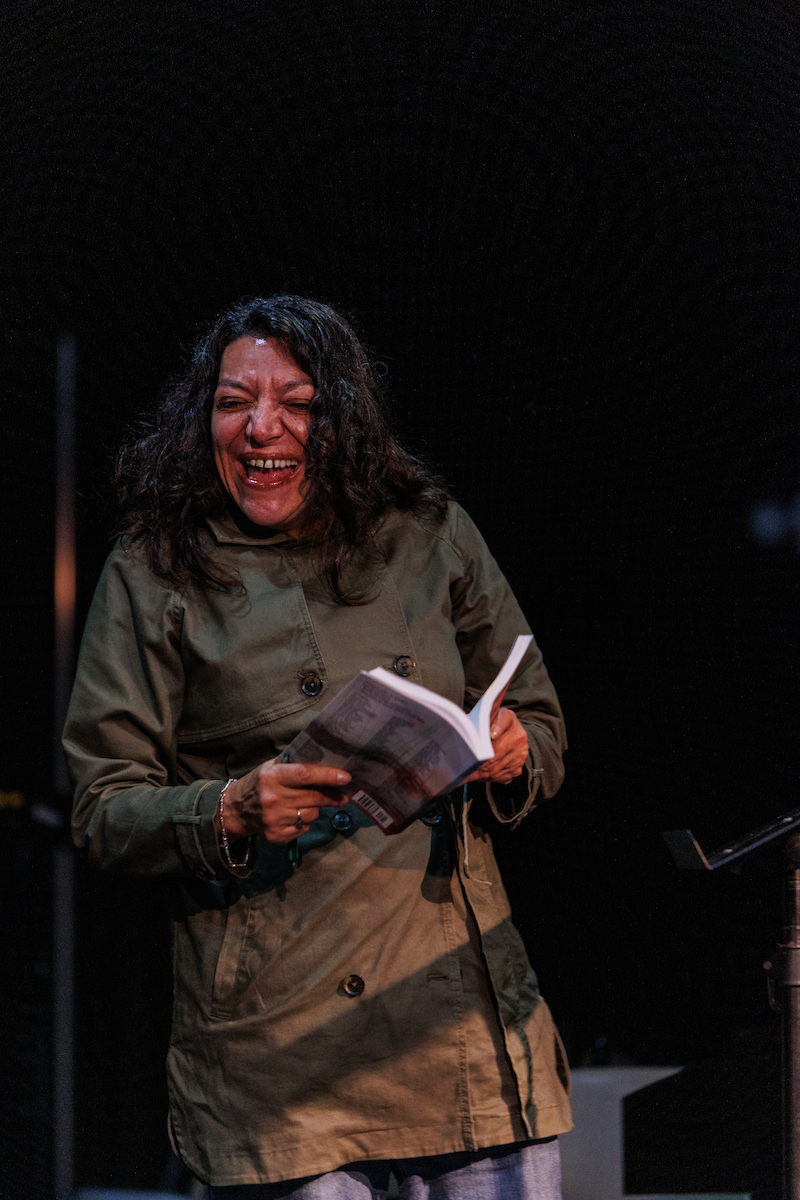
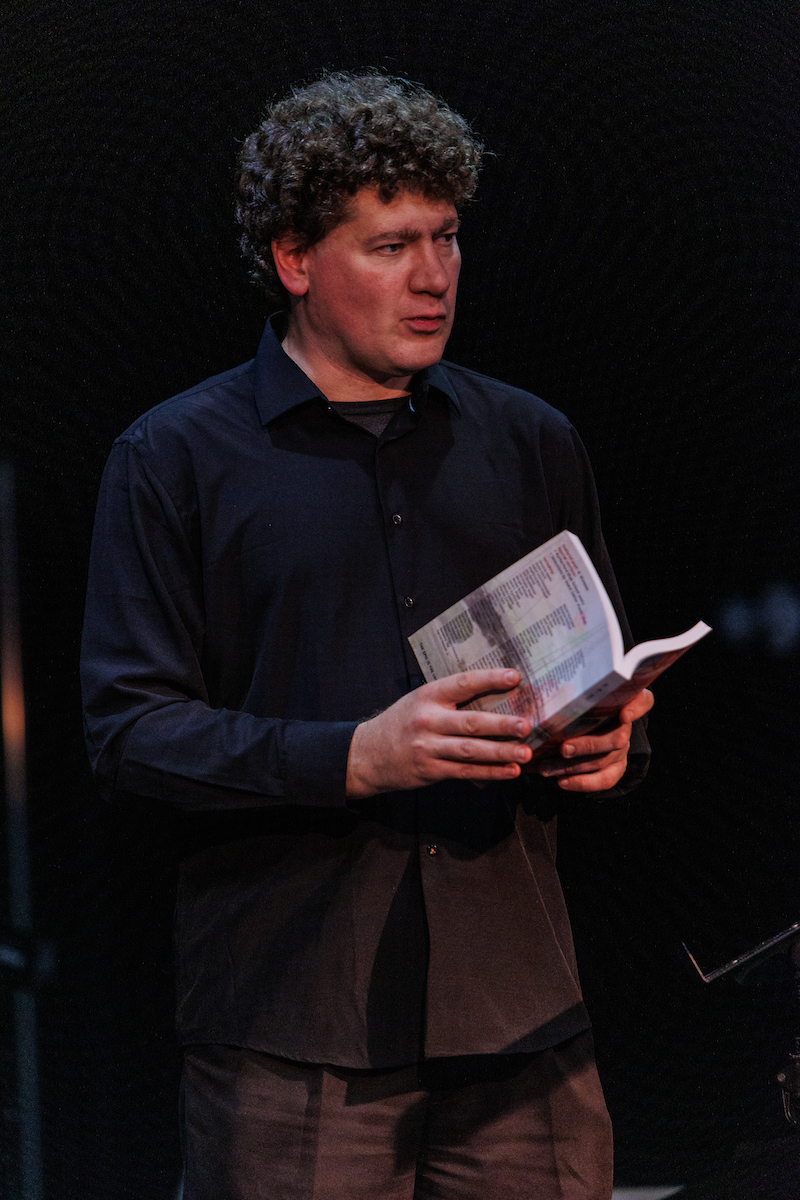
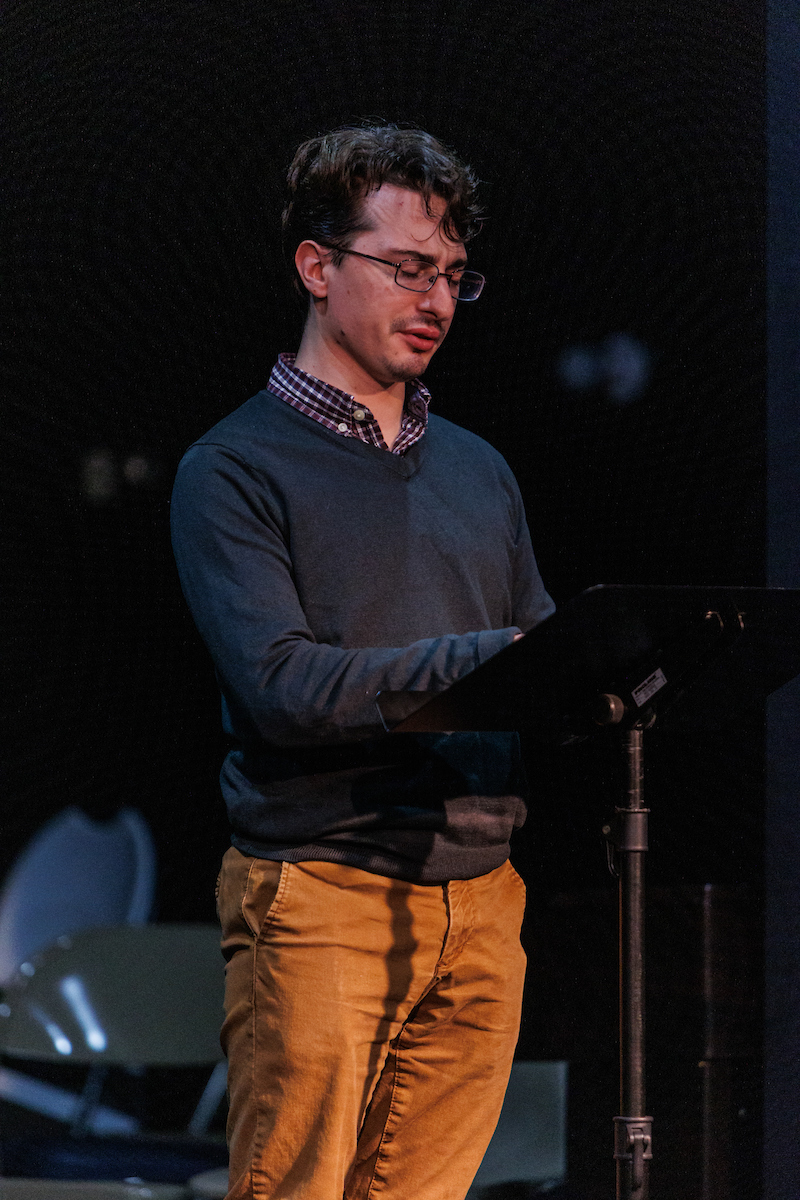
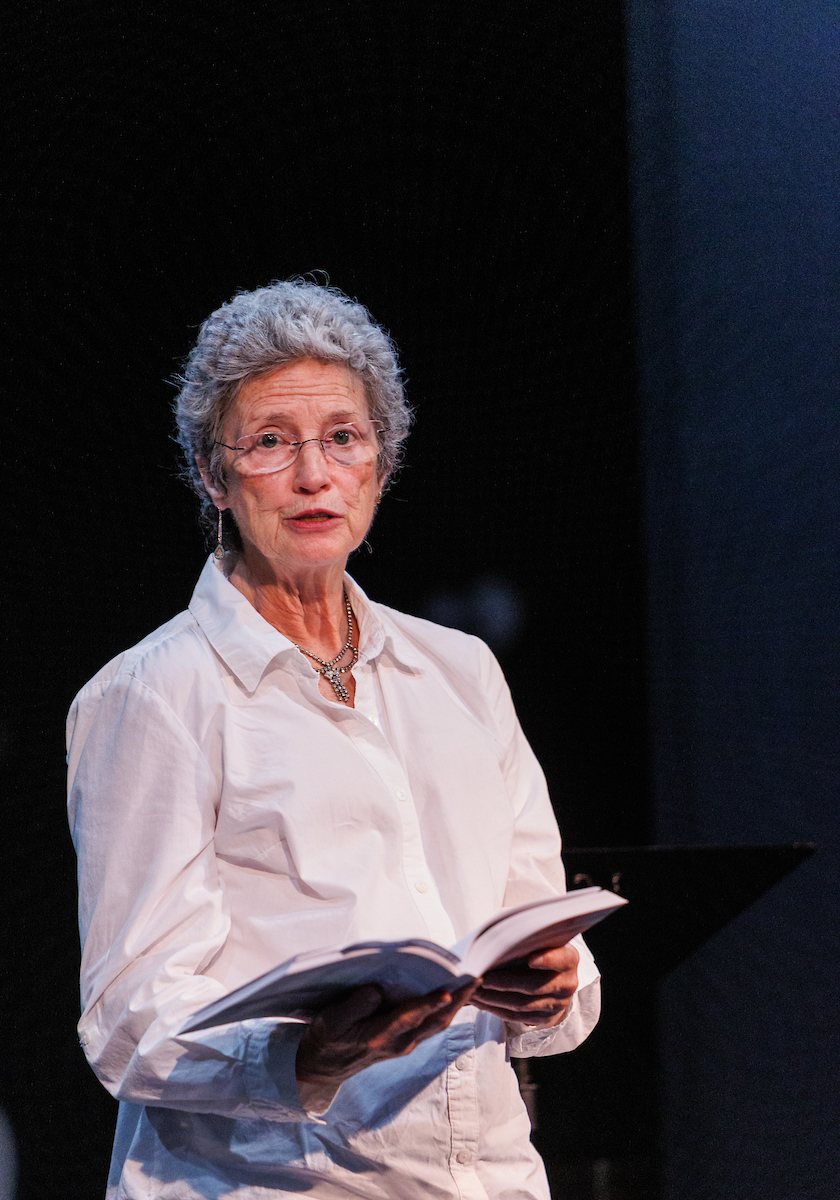
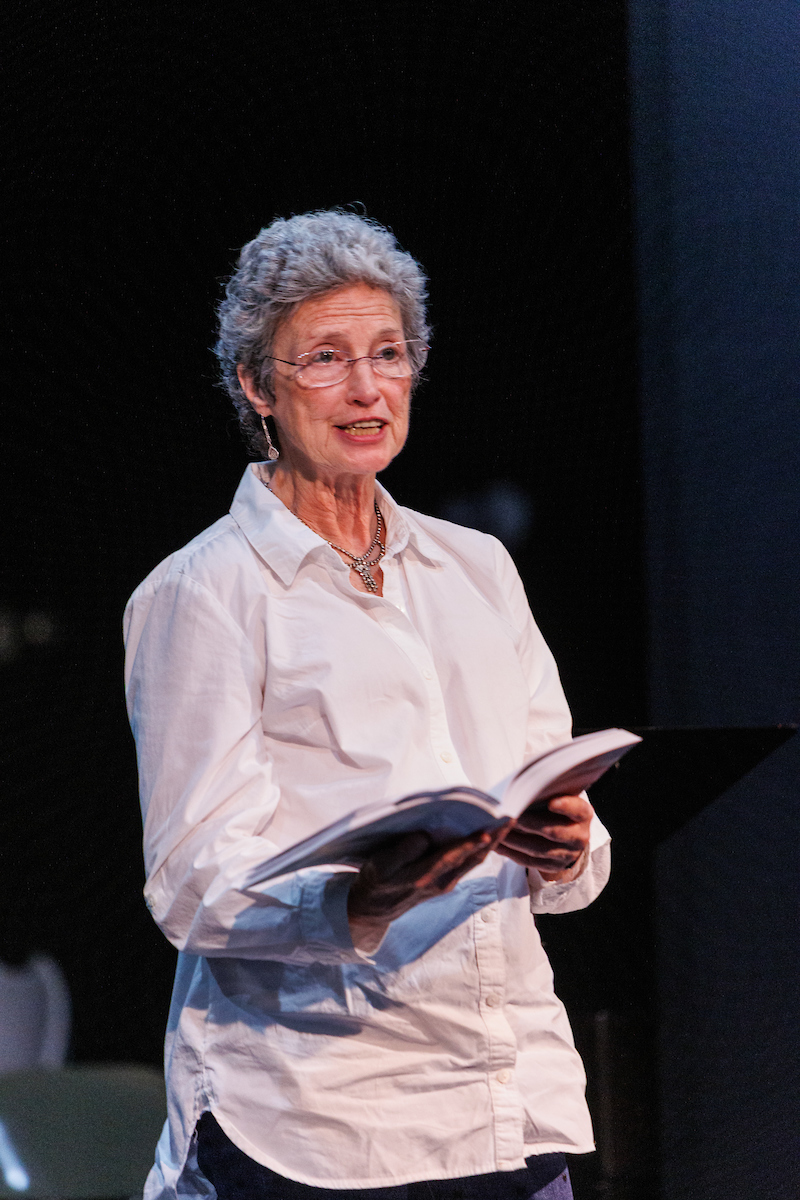
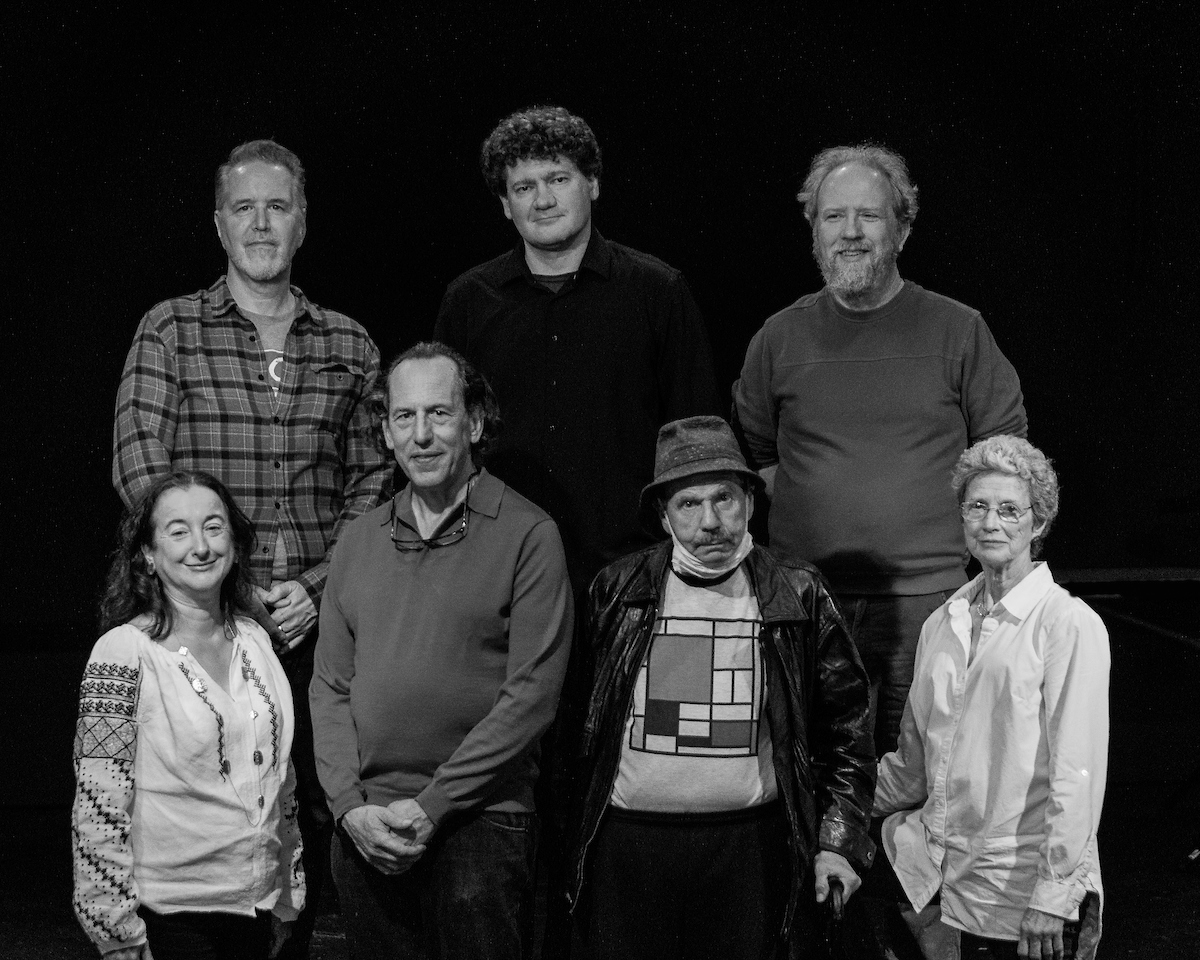
Here are some of the photos from our launch of The Red Wheelbarow #16 on October 4 at The Felician University Little Theater in Rutherford! Thank you so much, Bill Shaw, for capturing these great moments, and many thanks again to all who attended, read, and contributed poems to this terrific issue. Order a copy of this year’s book here.
The Red Wheelbarrow #16 is now available online!The launch last night at the Felician University Little Theater in Rutherford was a huge success, with a full house audience. We are still basking in the afterglow. Many thanks to all who attended and read their contribution to this year’s excellent edition.
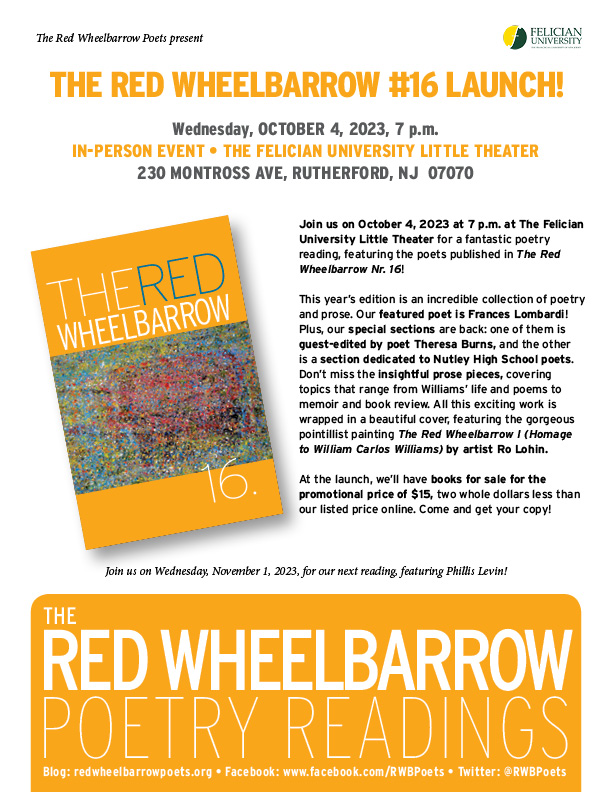
This year’s book is an incredible collection of poetry and prose. Our featured poet is Frances Lombardi! Plus, our special sections are back: one of them is guest-edited by poet Theresa Burns, and the other is a section dedicated to Nutley High School poets. Don’t miss the insightful prose pieces, covering topics that range from Williams’ life and poems to memoir and book review. All this exciting work is wrapped in a beautiful cover, featuring the gorgeous pointillist painting The Red Wheelbarrow I (Homage to William Carlos Williams) by artist Ro Lohin.
You’re invited to The Red Wheelbarrow #16 launch!! Join us on October 4, 2023 at 7 PMat The Felician University Little Theater at 230 Montross Avenue in Rutherford, NJ, for a fantastic poetry reading, featuring the writers published in RWB #16.
If you have work in this issue, congratulations! We would love you to attend the October 4 launch to read your work from the book. Please put it on your calendar if you’re available.
This year’s edition is an incredible collection of poetry and prose. Our featured poet is Frances Lombardi! Plus, our special sections are back: one of them is guest-edited by poet Theresa Burns, and the other is a section dedicated to Nutley High School poets. Don’t miss the insightful prose pieces, covering topics that range from Williams’ life and poems to memoir and book review. All this exciting work is wrapped in a beautiful cover, featuring the gorgeous pointillist painting The Red Wheelbarrow I (Homage to William Carlos Williams) by artist Ro Lohin.
At the launch, we’ll have books for sale for the promotional price of $15,two whole dollars less than our listed price online. Come and get your copy! Bulk discounts available as well.
Hope to see you all on October 4 at the launch in Rutherford!
Best regards, The Red Wheelbarrow Poets Gang of Six: Moira OBrien Frank Rubino Arthur Russell Claudia Serea Anton Yakovlev Don Zirilli
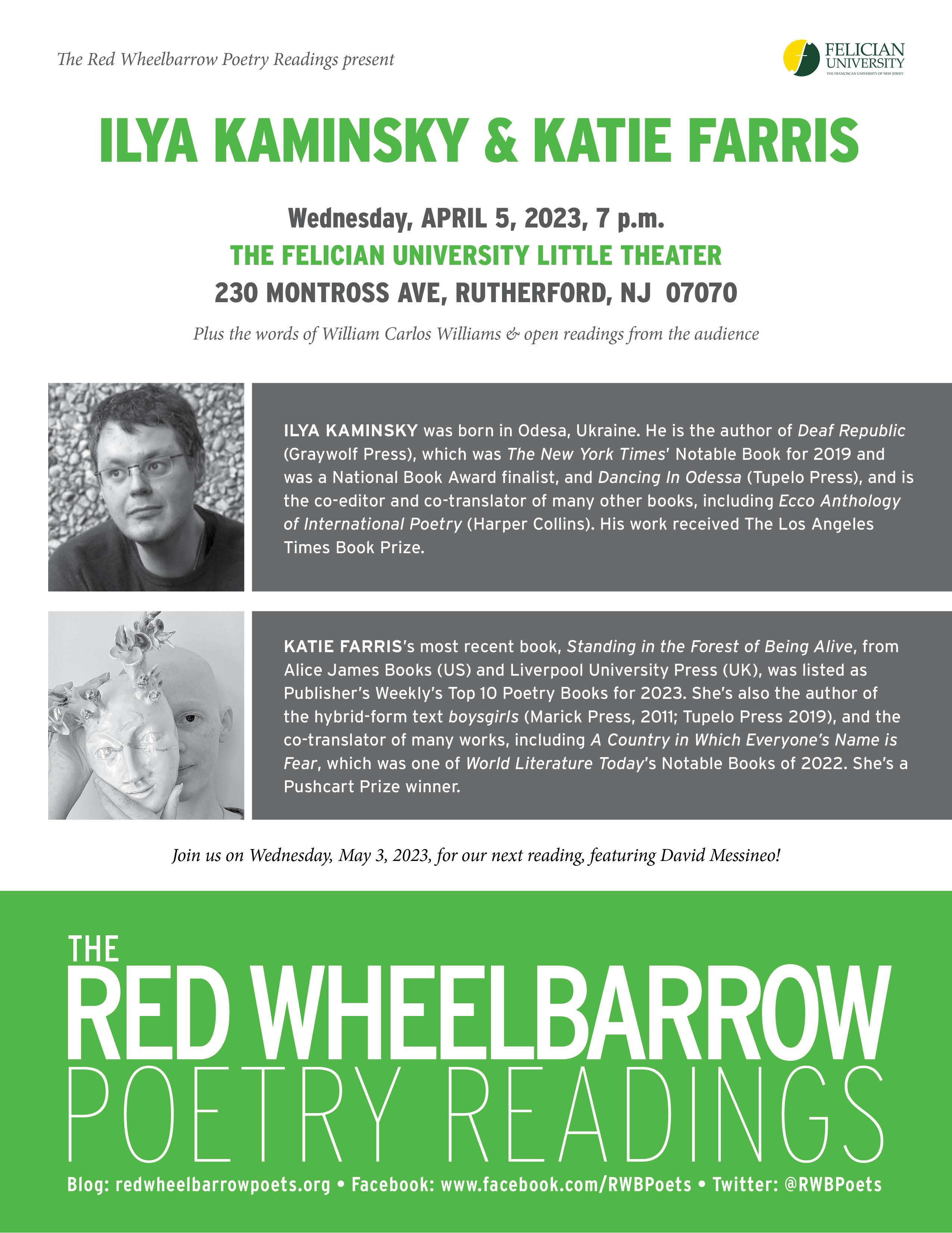
Terrific reading last Wednesday, featuring the powerhouse poetic couple Ilya Kaminsky and Katie Farris, at the Felician University Little Theater!! Many thanks to our features for sharing their moving poems, to all who read in the open mic and to our wonderful audience. Poetry lives in Rutherford, NJ! The good doctor would be so proud.
Our next reading is on May 3, featuring David Messineo. Hope to see you there.
And remember to send in your writing for RWB 16! Submission deadline for essays: May 1, 2023. Click this Submittable link to submit.Submission deadline for poems: July 4, 2023. Click this Submittable link to submit.
Join us on April 5, 2023, at 7 p.m. at The Felician University Little Theater, 230 Montross Avenue, Rutherford, NJ 07070, for a fantastic poetry reading featuring Ilya Kaminsky & Katie Farris, plus the best open mic in New York and New Jersey!
Ilya Kaminsky was born in Odesa, Ukraine. He is the author of Deaf Republic (Graywolf Press), which was The New York Times’ Notable Book for 2019 and was a National Book Award finalist, and Dancing In Odessa (Tupelo Press), and is the co-editor and co-translator of many other books, including Ecco Anthology of International Poetry (Harper Collins). His work received The Los Angeles Times Book Prize.
Katie Farris’s most recent book, Standing in the Forest of Being Alive, from Alice James Books (US) and Liverpool University Press (UK), was listed as Publisher’s Weekly’s Top 10 Poetry Books for 2023. She’s also the author of the hybrid-form text boysgirls (Marick Press, 2011; Tupelo Press 2019), and the co-translator of many works, including A Country in Which Everyone’s Name is Fear, which was one of World Literature Today’s Notable Books of 2022. She’s a Pushcart Prize winner.
At the event, the featured poets will bring their books to sell. We’ll also have copies of our Red Wheelbarrow #15 for sale. Or, if you prefer to order online, you can do so here.
The RWB Poets welcome you! Drop by to listen to our features, read in the open mic, and qualify to submit to our annual journal. See you all in person on April 5 at 7 p.m!
The Red Wheelbarrow (Volume 16) is open for submissions of poetry and essays from poets who have read their poetry as a featured poet or at the open mic at the monthly Red Wheelbarrow Poets reading series from July 7, 2022, through July 6, 2023. You are also invited to submit if you participated in any of the Red Wheelbarrow Poetry Workshops during the same period.
Please indicate in your cover letter when you’ve read with us or that you’ve attended the workshop to qualify. Simultaneous submissions are OK, but please notify us immediately if your work is accepted elsewhere.
When you submit, please complete the online form for one paragraph of relevant biographical information.
Limit your bio paragraph to approximately 120 words.
In the bio refer to yourself in the third person using your preferred pronoun (he, she, they).
We plan to publish and release Volume 16 in the fall of 2023.
PLEASE NOTE: THERE IS A SEPARATE DEADLINE FOR POETRY AND ESSAYS. ESSAYS ARE DUE MAY 1st. POETRY IS DUE JULY 4th.
Submission Guidelines for Essays Please submit 1 (one) essay in a single Word document. The only acceptable file formats are .doc or .docx. No pdf or other file types will be accepted.
Format for the Submission Document
Submit one Word document containing 1 (one) essay. Topics may include but not limited to: William Carlos Williams, New Jersey or Rutherford history, art, or poetry scenes, book reviews, writing craft. We’re pretty flexible.
Maximum length: 2,500 words.
Use Garamond, Times, or Times New Roman 12-point font.
Do NOT use headers, footers, or automatic page numbering in the document.
Do NOT use the footnote feature in Microsoft Word! If you want footnotes, do it manually.
Your name should appear above the essay. Do NOT use All caps.
If your submission relies on a special layout, please be aware of the print area this edition can allow: page printable area width is 4 3/4 inch by 6 3/4 inch length.
Submission deadline for essays: May 1, 2023. Click this Submittable linkto submit.
Submission Guidelines for Poems Please submit 5 (five) poems in a single Word document. The only acceptable file formats are .doc or .docx. No pdf or other file types will be accepted.
Format for the Submission Document
Submit one Word document containing 5 (five) poems.
Use Garamond, Times, or Times New Roman 12-point font.
Do NOT use headers, footers, or automatic page numbering in the document.
Do NOT use the footnote feature in Microsoft Word! If you want footnotes, do it manually.
Your name should appear above the first poem. Do NOT use All caps.
Each poem must have a page break at the end. Your poems should each start on a new page of the document.
If your submission relies on a special layout, please be aware of the print area this edition can allow: page printable area width is 4 3/4 inch by 6 3/4 inch length.
Submission deadline for poems: July 4, 2023. Click this Submittable linkto submit.
This year marks another premiere for The Red Wheelbarrow! We are excited to announce our 2023 nominees for The Pushcart Prize:
Jim Klein for “Nail Clipping”
Janet Kolstein for “Google Earth: Alexandria”
Michael Mandzik for “Regent’s Park”
Zorida Mohammed for “Fearful of Blood He Selects Me”
Barbara O’Dair for “Am I Right, Or Am I Just Gorgeous”
Bridget Sprouls for “How We Think Is a Body”
Congratulations to these poets and their terrific poems! All of them are available in The Red Wheelbarrow #15, a great gift for the poetry lovers on your list.
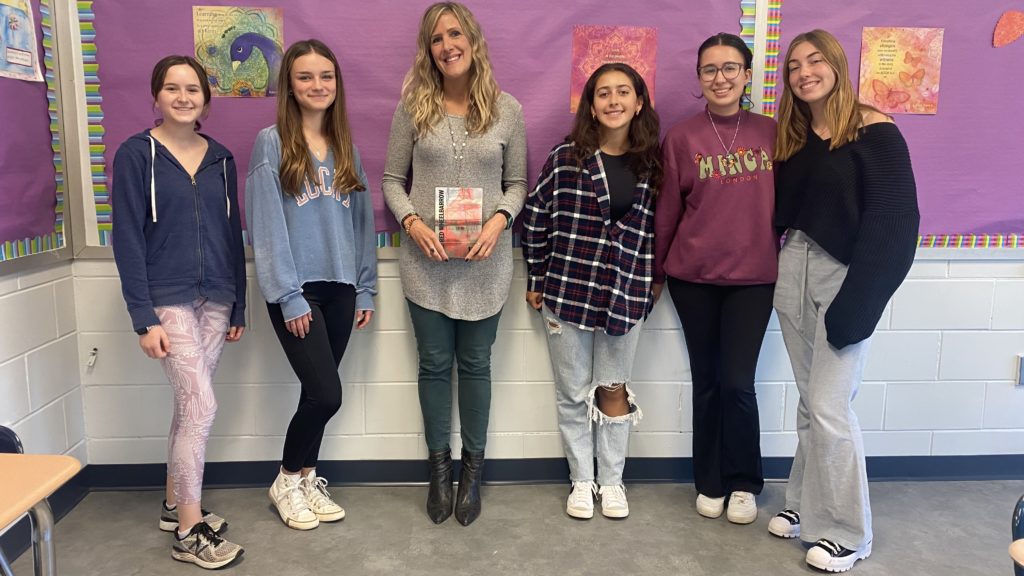
Our Red Wheelbarrow #15 is still making waves, and we’re still in a celebratory mood! It’s because this book, besides being the biggest one ever (100 poets published!), is a really special issue that includes a section of Rutherford High School poets. We were so excited to publish these young authors and hear their poems at the launch! Click here to read moreabout the 19 high school students and their Creative Writing teacher, Melissa Dougard.
And, if you don’t have The Red Wheelbarrow #15yet, or you know of someone who would like a copy, you can order it here.
Here’s to another 15 years of carrying on Dr. Williams poetic legacy, and thanks again for being a part of our community! Happy writing, happy reading, and happy fall.
Arthur Russell‘s recap of The Red Wheelbarrow Poets’ Workshop ofAugust 2, 2022
How about that Marina Carriera reading at The Little Theatre at Felician U sponsored by RWB on Wednesday August 3? Great lyricism, great earthy (earthy = sexy) romanticism, and an important stand as a joyous first-generation Portuguese queer woman.
Pity the poor fool who wasn’t at the workshop Tuesday, where Janet Kolstein’s “I Used To Think” blew the roof off Zoom. It was a list poem of things the speaker “used to think” beginning with her previous belief that “a pot belly was gross” and very gradually moving from this comic instance into more and more serious material until we catch her admitting that dreams don’t come true: “I used to think you could live like an artist—/ not caring for jewels or cars,/ mortgages or debt – your hands your gift,/ you clothes speckled with paint…” She ends with a great sigh, saying, among other things: “I used to think . . . that my parents would always be living/ and time was a great Buddha sleeping with one eye open.” Someone pointed out that the poem doesn’t talk about the things the speaker thinks now, only what she ‘used to think’ and this creates a wonderful poetic state (or space) that allows something like nostalgia for delusion to become the emotion of the poem. Janet’s poems don’t go out in these notes, so if you weren’t there, you’ll have to wait till it’s published someplace BIG!
Yana Kane’s poem, “I did not want” is a curious pairing with Janet’s “I Used to Think” Yana’s poem is also a list poem, where the ellipses that begin each stanza signal that each stanza is part of a list beginning with the title’s words “I did not want.” And like Janet’s poem, Yana’s poem also addresses the past, but in a very different register than Janet’s, because Janet talks about personal history and the feelings associated with leaving innocence behind, but Yana focuses on feelings associated with extinction (i.e. group death) through the example of the extinct Passenger Pigeon, whose final member “Martha,” as the epigraph tells us, passed away on September 1, 1914, and was stuffed and put into the Smithsonian Institution. (Interesting, too, how Janet’s “Buddha” has one eye open, and Yana’s Martha is known for her “glass-eyed visage”) However, the speaker of the poem, which one might suppose from the title that bridges into the first line, to have been Martha, is not Martha, but, as we learn in the final stanza, another stuffed animal “one case over” from Martha’s, and although the speaker may also be extinct, we don’t know who they/she/he is. The bigger unanswered question might be what the story of the bird and the speaker as stuffed animals is a metaphor for? Human extinction? Or just how humans do not learn from their mistakes.
Brendan McEntee’s poem “In Lavender” is about a summer day sitting in an Adirondack chair in a patch of lavender out on Long Island. The poem has an O’Hara sort of present tense that grants us easy entry while setting the scene: “When the wind drops, the heat shows./ There’ll be rain later. Right now, it’s me in lavender…” Brendan’s style seems to be to put us in a place—a seaside, a graveyard, or here, a public garden—and tell us about the moment to moment in a way that suggests but doesn’t discuss the underlying thing that brought him there. Recently, his poem described a father and son driving silently around a graveyard until the father is ready to leave. In this poem, Brendan alludes to garden rules—“We’re not to pick the plants, or touch them/ or do anything that disturbs this universe.” But then, semantically exonerated because the lavender touched him, not the other way around, the speaker gathers a palmful of lavender smell and breaths it between his hands. And that awareness of and respect for rules and his use of the word “universe” very subtly freight that solitude with sadness, a sadness he never discusses, but carries in this diction, and gives a home in the solitude of a garden. I admire the way what he never says becomes the real feeling of the poem. And this is what I mean by connotation, suggestion or implication, one of poetry’s latent powerhouses.
Ana Doina works differently, denotatively; everything the poem wants to say, it says outright. In “Painted Stones” which, like Brendan’s “In Lavender” takes place in a leisure-time outdoor setting, she carefully narrates a walk in the woods taken by the speaker and a painter of stones. Eventually we learn that the painter of stones lost loved ones in the holocaust, an historical surprise, a narrative surprise, but not poetical surprise, and learn that the stones stand in for people lost in the horror (in other words, the painted stones are explicitly the metaphors for the people; the poem reports on those metaphors without having metaphors of its own). And this is a poem that tells us exactly what the underlying feeling is: “You believe/ the ciphered language is enough to hide/ the bitterness of your heart/ from any chance intruder” or the “refuge” and “safety” the painter found in the woods, and the rolling cadence of the final stanza describing the “fear that a loved face/ might have been lost, consumed/ by the hate-fueled fires/ of the war that orphaned you.”
Speaking of bitter hearts, Howard Prosnitz’s “After Reading Yeats” draws a distinction between the “pleasure” a reader can derive from a “gut punch” line in great poem and the “delight” the speaker feels remembering the early death of an Irish boy who literally punched him in the gut while they were both in junior high school a half century earlier. The cruel joy it celebrates—“the delight/ in knowing that the bastard died young”—is quite inexplicable and alienating. Happiness today for the forty-years-ago death of a fifty-years-ago childhood combatant? Fuck mellowing with age. Those seeking revenge, the Japanese proverb tells us, “should dig two graves, one for yourself.” In this poem, Howard has buried the speaker’s bully and has unearthed the speaker’s bitter, vindictive heart. I wondered if Howard meant to invoke the “alienation effect” described by Bertolt Brecht, in which familiar contents are presented in an unfamiliar way to get a new effect so that the audience does not empathize with the story of a drama and can think profoundly about the issues it raises.
In “United We Stand,” Don Zirilli presents a sardonic view of the “stand your ground” laws that excuse homicide when a person feels threatened. Most famously, this type of law led to the exoneration of Trevon Martin’s killer in Florida. The poem uses an ordinary font for the speaker of the poem and italicized font for material he has copied from internet sources related to people who have “stood their ground,” thus exposing the stupidity of such laws.
Raymond Turco’s poem “The Gods Who Rule the Earth” very effectively borrows the cadences and register of a public speaker exhorting a crowd. What he is exhorting them to do is not clear to this reader, but the rhetorical framework is very strong; even without knowing what the poem is about, we can feel the oration in a crowded square.
Frank Rubino brought “Radio in My Pocket,” a poem that seemed to me to follow a sleepless man around his house carrying either a transistor radio or a phone streaming a radio station while he wonders the midnight usual: who he is, and how men, who can erect an empty swimming pool shell in a desert, are different from animals, who can ‘read sand dunes.’ The speaker’s wife is sleeping, and there appears to be something sacrilegious about approaching her with his radio, source of the “sonics, semantic, information” of the outside world, in his hand. He is a deeply thoughtful man who reads the runes in the flotsam of his life.
John J Trause delighted us with “Gretta in the Yum-Yum Palace” a poem in the long tradition of poems about girls in gardens, with the quasi-important distinction that John’s “girl” Gretta may be a full-grown lady, and that her “garden” is a candy shop. Still the net effect of the effervescent, alliterative verses describing all sorts of candy (“There are the goo-goo clusters,/ and fluffer-nutter Sundays, the hot fudge brownies,/ and here the krispy krunch and crackled krokant…”) is not very different from a profusion (or orgy) of flowers. When you read it, have a box of chocolates handy.
My own poem, “Fallow, He Reported, When She Asked,” is a narrative poem in the form of iambic pentameter quatrains rhymed abab (cdcd and so on), that tells a fragment of a tale about a man named Bob who has come down from the prairie to the plains to visit his Aunt Sally, only to find that her barn was the scene of a grisly killing. A philosophical or moral discussion on the porch of Sally’s house ensues. Someone said it had an air of Robert Service’s poetry most famously, “The Shooting of Dangerous Dan McGrew.”
Nick Davis’s prose poem “When Summer Was Good” (not attached) addresses the youthful summer before the departure of a father.
Remember, this is August, the month for Nicole Sealy’s Sealy Challenge—read a book of poems a day for 31 days. So far, I’ve read Max Porter’s Grief is the Thing With Feathers, Howard Nemorov’s New and Selected Poems (1961); Monica Youn’s Blackacre; Marina Carriera’s Tanto Tanto; and Marwa Helal’s Ante Body. In addition to individual collections, I plan to mix in a few of the journals that I receive in hard copy, which I too infrequently read from cover to cover. You might want to read RWB 14 that way, if you haven’t already. RWB 15 is in the works now, due out in October, and you don’t want these puppies stacking up like New Yorker magazines.
If you haven’t already purchased Marina Carriera’s Tanto Tanto from which she read several love poems at the August 3 RWB reading, please do. You’ll be supporting Marina as well as her publisher, CavanKerry Press, a North Jersey joint that has also provided several features for our reading series.












































 The Red Wheelbarrow Poets
You must be logged in to post a comment.